Why Social Media Trends Can Make You Feel Worse And How to Avoid It
In today’s digital age, social media is a huge part of our daily lives. Platforms like Instagram, TikTok, and Twitter constantly bombard us with trends, challenges, and influencer lifestyles. While these trends can be fun, inspiring, or even a source of connection, they can also take a toll on your mental health. Constant exposure to…
In today’s digital age, social media is a huge part of our daily lives. Platforms like Instagram, TikTok, and Twitter constantly bombard us with trends, challenges, and influencer lifestyles. While these trends can be fun, inspiring, or even a source of connection, they can also take a toll on your mental health.
Constant exposure to “perfect” lives, unrealistic beauty standards, and comparison can make you feel inadequate, stressed, or even depressed. If you’ve ever scrolled through a feed and felt worse afterward, you’re not alone. Social media trends can easily lead to feelings of self-doubt and frustration. But the good news is, you don’t have to let these trends take control of your life.
In this post, we’ll explore why social media trends can negatively affect your well-being and how you can avoid falling into the trap of comparison.
The Pressure of Perfection
One of the major issues with social media is the emphasis on perfection. Whether it’s a perfectly edited photo, a flawless workout routine, or a glamorous vacation, social media often showcases only the best parts of people’s lives. This selective sharing can lead to comparison, which is a direct contributor to feeling worse about yourself.
When you see someone else’s “perfect” life, it’s easy to feel like yours doesn’t measure up. Social media platforms thrive on curated content that hides the messy parts of life, and this can create unrealistic expectations. In reality, most people have ups and downs, just like you. However, social media often filters out the struggles.
Why it affects us
Psychologically, this perfectionism can cause feelings of inadequacy. Studies show that social comparison theory, the idea that we evaluate ourselves based on others, can increase feelings of envy, stress, and low self-esteem when we constantly compare ourselves to others (Source: Social Comparison and Social Media: Understanding the Impact).
The more you consume this type of content, the more it can affect your self-worth. The key is recognizing that social media is often just a highlight reel, not the full picture.
The Fear of Missing Out (FOMO)
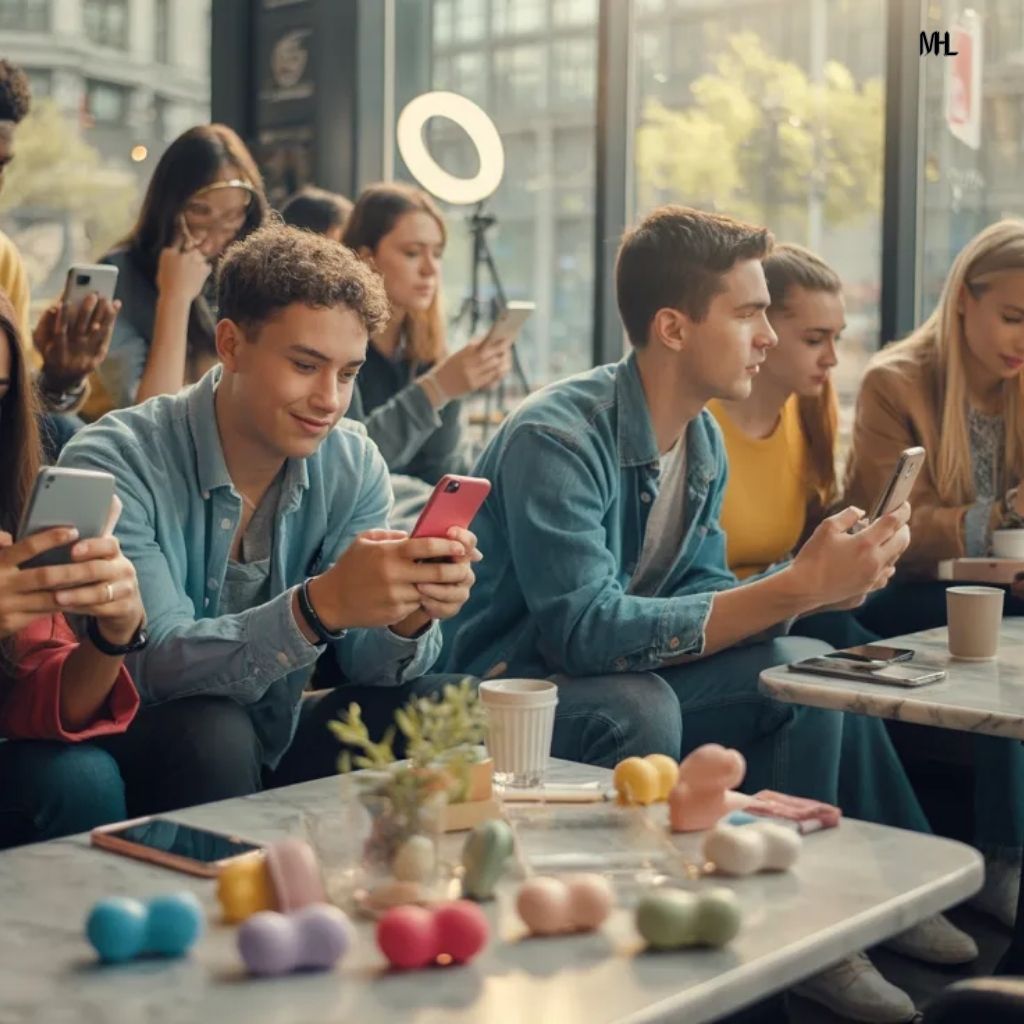
Another effect of social media trends is FOMO, or the “Fear of Missing Out.” With every new viral challenge or trending event, it can feel like if you’re not participating, you’re somehow missing out on something important or fun. Whether it’s the latest dance craze on TikTok or the trending outfit of the season, FOMO can make you feel excluded and anxious.
You may start to feel that you need to keep up with the trends to fit in, even if it’s not something you’re genuinely interested in. The need to “keep up” can lead to unnecessary stress and dissatisfaction with your own life.
Why FOMO affects us
Social media platforms are designed to create a sense of urgency and excitement. Influencers and marketers often push the idea that certain trends are fleeting or that if you don’t join in now, you’ll be left behind. This pressure can lead to poor decision-making and a lack of authenticity, as you may act out of fear rather than genuine desire.
How to combat FOMO:
- Take a social media detox: Unplugging, even for a short period, can help reduce anxiety about trends.
- Prioritize personal interests: Focus on what truly excites or interests you, not what everyone else is doing.
The Impact of Unrealistic Beauty Standards
Unrealistic beauty standards are one of the most harmful aspects of social media trends. Platforms like Instagram often showcase edited, filtered, or curated images of people with “perfect” bodies, flawless skin, and impeccable styles. These depictions create an idealized version of beauty that is not only hard to attain but also often far from reality.
Exposure to these idealized beauty standards can lead to body dissatisfaction, low self-esteem, and an unhealthy obsession with appearance. The pressure to look a certain way can be overwhelming, especially for young people who are still forming their self-image.
Why beauty standards are harmful
According to research, social media exposure to beauty ideals has been linked to an increase in body image concerns. Studies have found that women who are frequently exposed to idealized beauty standards on Instagram are more likely to experience body dissatisfaction and low self-esteem (Source: Impact of Social Media on Body Image).
In reality, these beauty standards are often unattainable. Photos are edited, filtered, and manipulated to create a version of “perfection” that most people will never achieve. Constant exposure to this can make you feel like you’re not good enough or that you need to change your appearance to be accepted.
How to avoid unrealistic beauty standards:
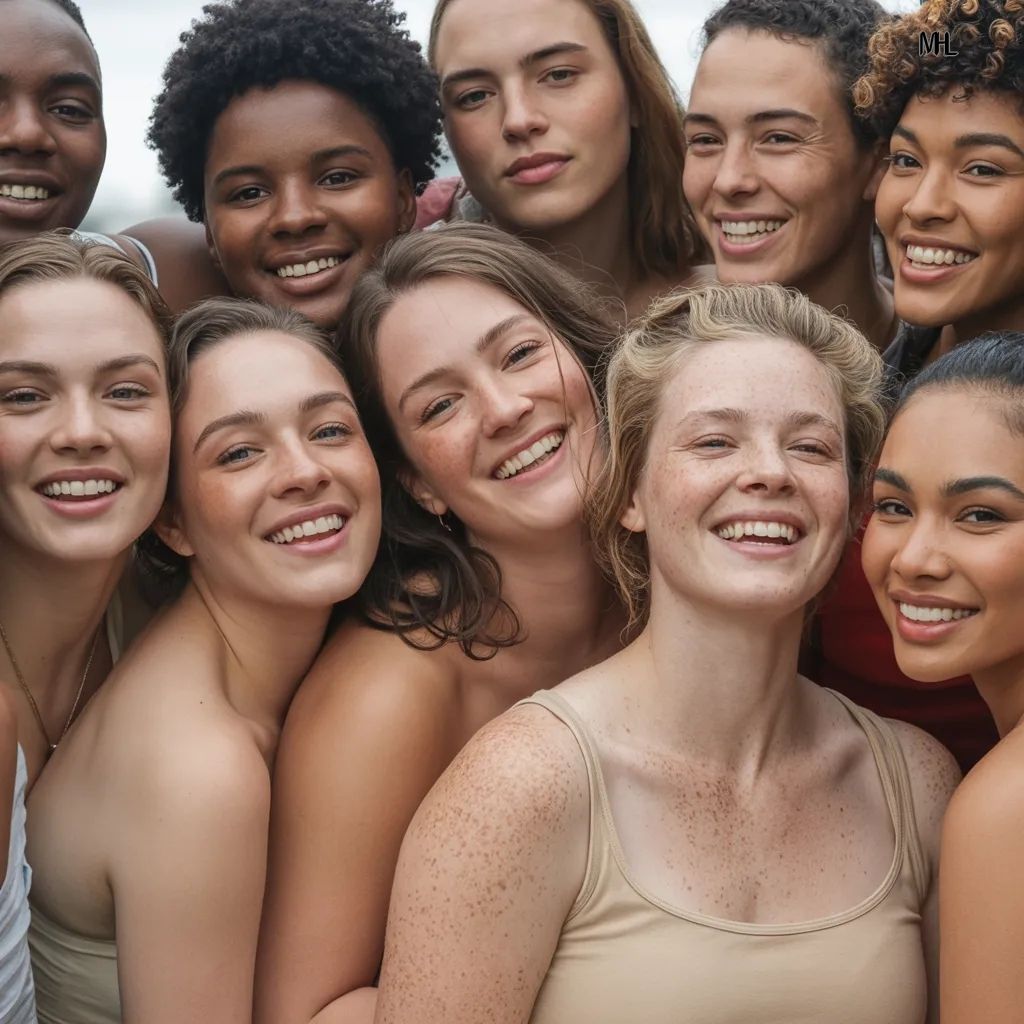
- Follow diverse accounts: Seek out accounts that promote body positivity and realistic representations of beauty.
- Remember that filters are not reality: Recognize that most images on social media are edited to present an idealized version of life.
How to Avoid Falling Into the Trap of Social Media Trends
Now that we understand why social media trends can make you feel worse, here are practical steps you can take to avoid falling into their trap:
1. Set Boundaries
Limit your social media usage to avoid getting lost in the comparison game. Set specific times during the day when you check your feeds, and avoid mindlessly scrolling.
2. Curate Your Feed
Follow accounts that align with your interests and promote positive messages. Unfollow accounts that make you feel inadequate or trigger negative emotions.
3. Be Mindful of FOMO
If you feel like you’re missing out on a trend, pause and ask yourself: Do I really want to be part of this, or is it just the fear of exclusion? Take a moment to decide whether joining in truly adds value to your life.

4. Practice Self-Compassion
Recognize that everyone’s life looks different online and in real life. Be kind to yourself when you see content that triggers negative emotions. Remind yourself that your worth is not tied to social media trends.
5. Take Breaks
Social media detoxes are important. Take time away from the screen to reconnect with the real world, whether that’s spending time with loved ones, enjoying nature, or focusing on personal projects that bring you joy.
Final Thoughts
Social media trends can feel like a force you can’t escape, but you can choose how much you let them affect you. The key is to recognize when these trends trigger negative emotions and take active steps to prevent them from impacting your mental health.
Curating your feed, setting boundaries, and focusing on self-compassion are essential to avoiding the pressure that comes with social media comparison.
Remember, you are more than a follower of trends. You define your own journey. By managing how you engage with social media, you can maintain your peace of mind and create a healthier relationship with the digital world.