Why Meal Prep Plans Fail And How to Make Them Work in Real Life
Meal prep sounds simple in theory. Plan a few meals, prepare them ahead of time, and make the rest of the week easier. But in practice, many meal prep plans don’t last very long. Everything feels organized at the beginning, then a few days later the plan starts to fall apart. Meals get skipped, ingredients…
Meal prep sounds simple in theory. Plan a few meals, prepare them ahead of time, and make the rest of the week easier. But in practice, many meal prep plans don’t last very long.
Everything feels organized at the beginning, then a few days later the plan starts to fall apart. Meals get skipped, ingredients go unused, and the effort feels wasted.
This doesn’t happen because meal prep is a bad idea. It usually happens because the plan doesn’t match real life. Once the approach becomes more flexible and realistic, meal prep becomes much easier to maintain.
Quick Answer (What You Need to Know Fast)
Meal prep plans often fail because they are too rigid, too complicated, or don’t match your actual schedule and energy levels.
To make meal prep work in real life:
- keep meals simple and repeatable
- plan fewer meals instead of trying to cover everything
- prepare flexible ingredients, not strict recipes
- allow room for changes during the week
A simpler system is more sustainable than a perfect plan.
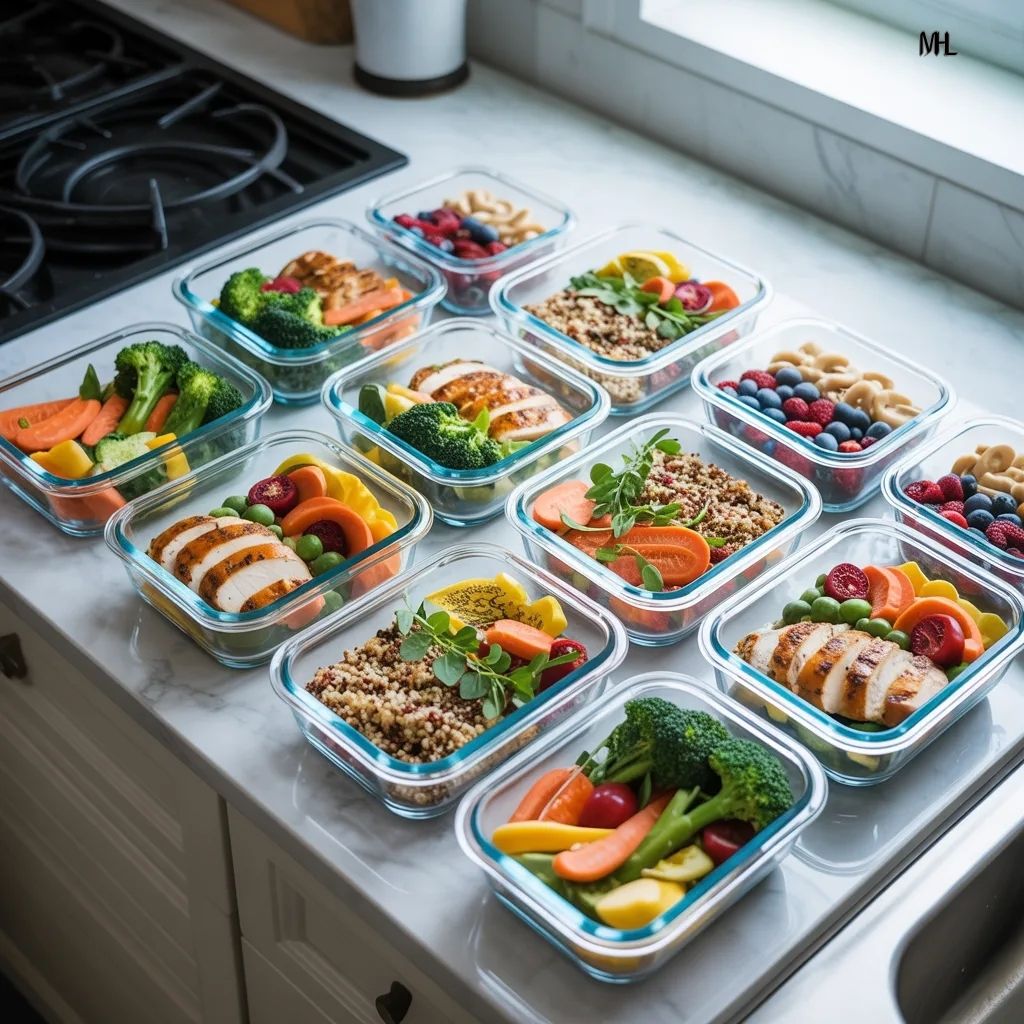
Why Meal Prep Plans Fail in Real Life
Most meal prep plans are designed with good intentions but don’t take daily life into account.
One of the main reasons they fail is that they are too structured. Planning every meal for every day leaves little room for changes. When something unexpected happens, the entire plan becomes harder to follow.
Another issue is overestimating energy. Preparing multiple meals in advance requires time and effort, and it can feel overwhelming, especially at the end of a busy day.
Variety can also create problems. Trying to cook different meals for every day adds complexity. It increases prep time and makes the process harder to repeat consistently.
There’s also the expectation that everything needs to be done at once. Spending hours preparing meals can feel productive, but it’s difficult to maintain long term.
When these factors combine, meal prep starts to feel like a burden instead of a helpful system.
Common Meal Prep Mistakes That Make It Harder
Some patterns make meal prep more difficult than it needs to be.
Planning too many meals is one of the biggest issues. Preparing food for every day of the week can quickly become overwhelming.
Another mistake is focusing on recipes instead of ingredients. Recipes often require exact steps and timing, which makes them harder to adapt.
Ignoring personal preferences can also cause problems. If meals don’t feel enjoyable, it becomes easier to skip them.
Trying to be too precise with portions or timing adds unnecessary pressure. When everything feels strict, it becomes harder to stay consistent.
Finally, not considering energy levels can lead to burnout. Preparing too much at once makes the process feel exhausting.
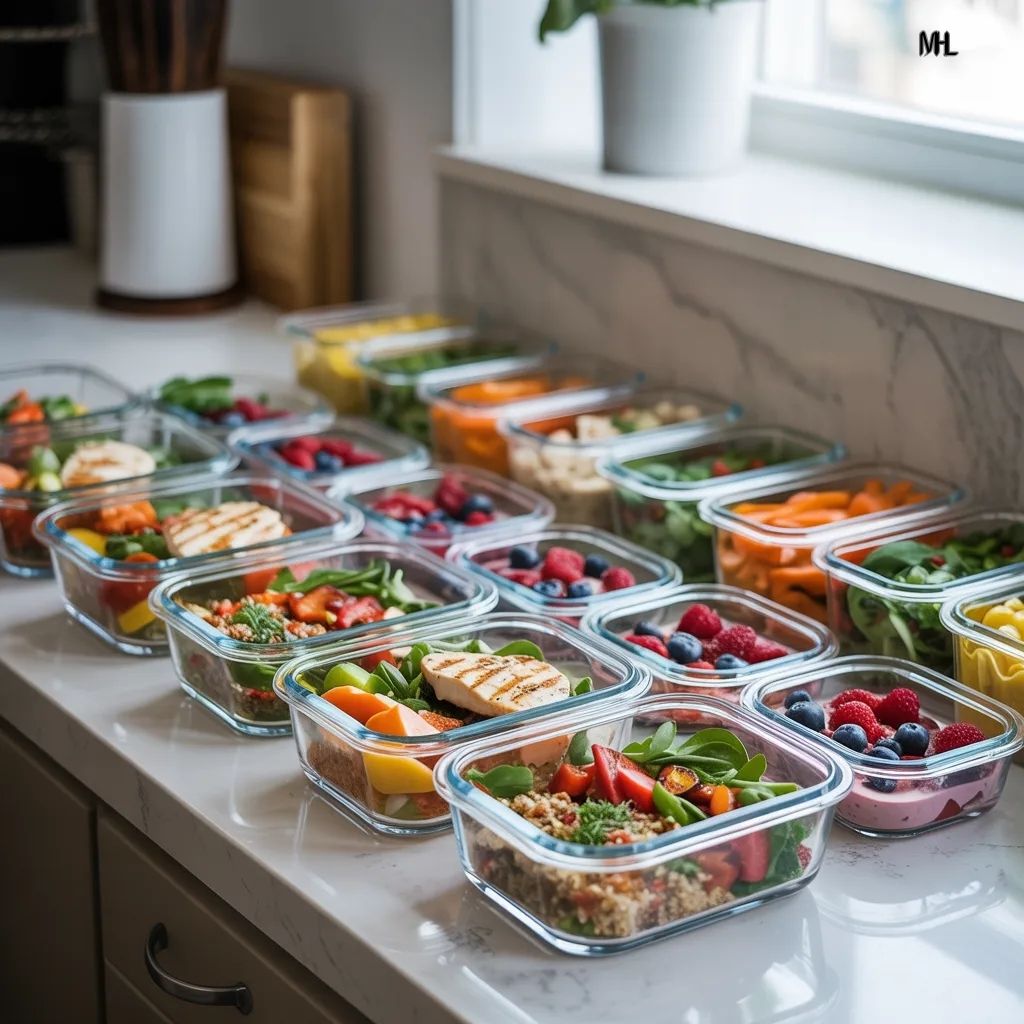
How to Make Meal Prep Work in Real Life
A more flexible approach makes meal prep easier to maintain.
- Plan only a few meals instead of the entire week
- Choose simple dishes that are easy to repeat
- Prepare ingredients that can be used in different ways
- Leave room to adjust based on your schedule
- Focus on convenience instead of perfection
This approach reduces pressure and makes the system more adaptable.
A Simple Meal Prep System That Actually Works
Instead of preparing complete meals, it often helps to prepare components that can be combined easily.
- Cook a batch of rice, pasta, or another base
- Prepare a simple protein like chicken, eggs, or beans
- Wash and cut vegetables in advance
- Keep a few sauces or seasonings ready
These components can be mixed and matched throughout the week. This creates flexibility without requiring extra effort.
A meal can come together quickly by combining a base, a protein, and something fresh or flavorful. This reduces the need to follow a strict plan.

Practical Tips to Make Meal Prep Easier
Small changes can make a big difference in how manageable meal prep feels.
- Keep recipes simple and limit the number of ingredients
- Choose meals that can be prepared in under 30 minutes
- Use ingredients that last several days without losing quality
- Store food in clear containers so it’s easy to see what’s available
- Prepare meals in smaller batches instead of all at once
- Use leftovers creatively instead of repeating the same meal
These adjustments help make meal prep more practical and less overwhelming.
How to Stay Consistent Without Feeling Restricted
Consistency doesn’t come from strict planning. It comes from flexibility.
Allowing changes during the week makes it easier to continue. If a planned meal doesn’t feel right, switching to something simpler can help maintain the habit.
Keeping a small set of go-to meals reduces the need to think too much. Repeating meals can actually make the process easier.
It also helps to adjust expectations. Meal prep doesn’t need to cover every meal or every day. Even preparing a few components can make a difference.
When the system feels manageable, consistency becomes more natural.
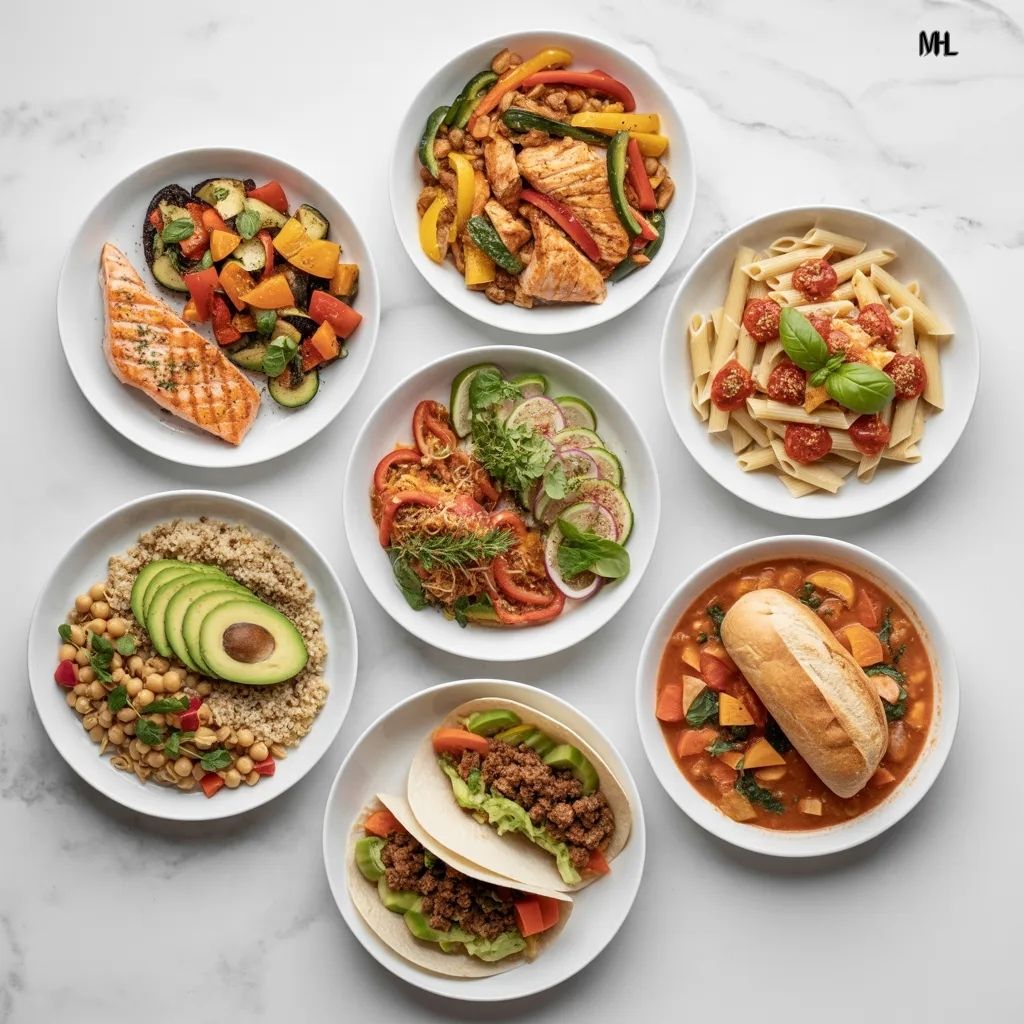
When It’s Okay to Skip Meal Prep
Meal prep is a tool, not a requirement. There are times when it makes sense to skip it.
Busy weeks, low energy, or unexpected changes can make meal prep less practical. In those moments, simpler options may work better.
Using quick meals, frozen ingredients, or basic combinations can still support your routine without adding stress.
The goal is not to follow a plan perfectly. It’s to create a system that supports you when needed.
FAQs
Why do meal prep plans fail so often?
They often fail because they are too strict, require too much effort, and don’t allow for changes in daily life.
What is the easiest way to start meal prepping?
Start small by preparing a few ingredients instead of full meals. This makes the process more flexible and easier to maintain.
How many meals should I prep at once?
Preparing two or three meals or components at a time is usually more manageable than planning an entire week.
Can meal prep still work with a busy schedule?
Yes, as long as the approach is simple and flexible. Preparing basic ingredients can save time without requiring a large commitment.
Related Articles
- Easy Dinner Ideas When You’re Too Tired to Cook
- How to Cook Simple Meals at Home Without Feeling Overwhelmed
- Simple Weekly Meal Plan for Busy People
Final Thought
Meal prep doesn’t fail because it’s ineffective. It fails when it’s too rigid to fit real life.
By simplifying the process and allowing flexibility, meal prep becomes a tool that supports your routine instead of adding pressure. When the system works with your schedule and energy, it becomes something you can actually maintain.