How to Make Old Furniture Look New Without Replacing It
Old furniture doesn’t always need to be replaced to look better. In many cases, it already has everything it needs to work well in your space. The issue is usually how it looks on the surface. Scratches, faded color, or outdated details can make a piece feel worn or out of place, even if it’s…
Old furniture doesn’t always need to be replaced to look better. In many cases, it already has everything it needs to work well in your space. The issue is usually how it looks on the surface. Scratches, faded color, or outdated details can make a piece feel worn or out of place, even if it’s still solid and usable.
Replacing furniture can seem like the easiest solution, but it’s not always necessary. Small changes can completely shift how a piece looks and feels, often with much less effort than expected.
The goal is not to make furniture look brand new in a perfect sense. It’s to make it look clean, intentional, and updated enough to fit your space again.
The Quick Way to Refresh Furniture
Most furniture can be improved by focusing on a few key areas instead of trying to change everything.
The simplest way to refresh a piece is to:
- clean and restore the surface
- update the color or finish if needed
- improve small details like handles or hardware
- adjust how the piece fits into the space
These changes don’t require advanced skills, but they can make a noticeable difference.
What Makes Furniture Look “Old”
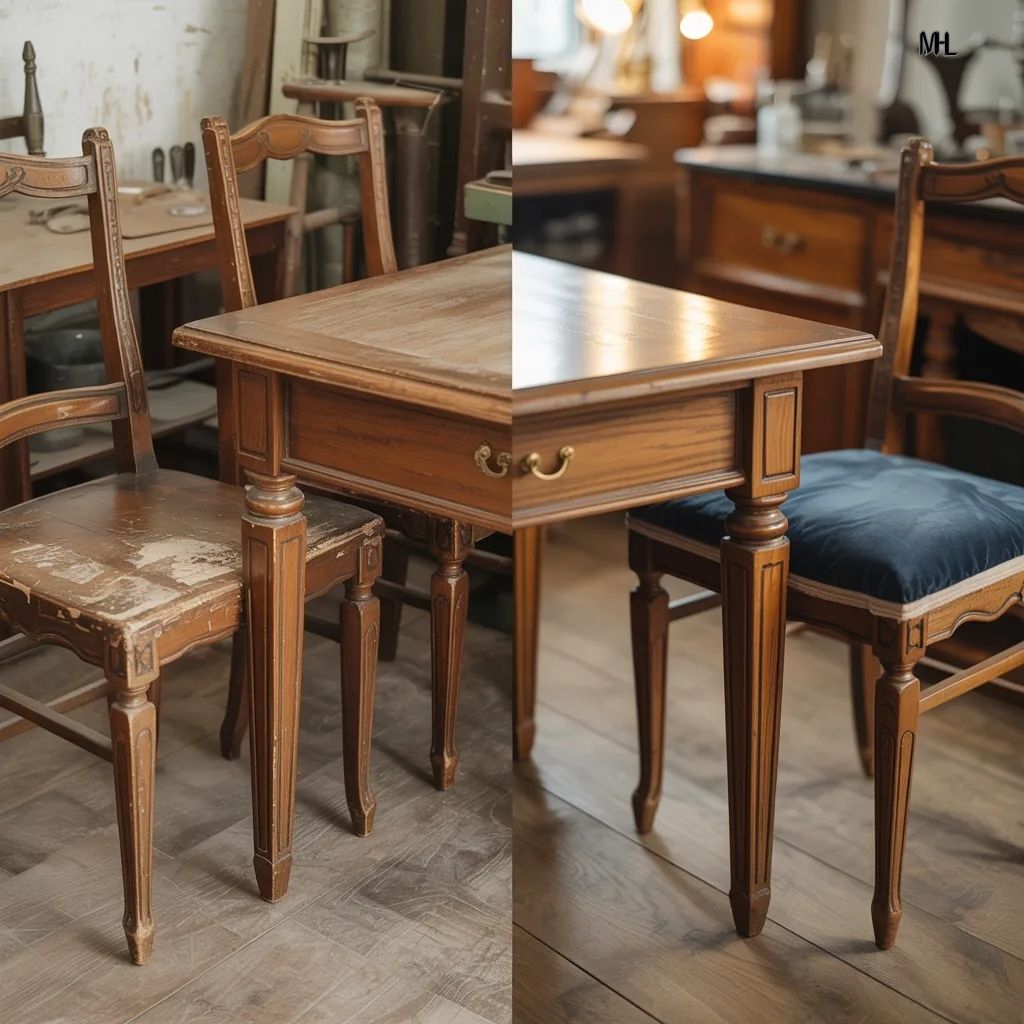
Furniture often looks outdated for reasons that are easy to fix. A worn or uneven surface is one of the most noticeable issues. Scratches, dull finishes, and small marks can make the piece look older than it actually is.
Outdated colors or finishes can also affect how the furniture feels in a room. Even a well-built piece can look out of place if the color doesn’t match the space.
Small details like handles, legs, or visible hardware can make a big difference. These elements often go unnoticed until they are changed.
The 5 Ways to Make Old Furniture Look New
1. Start with a Deep Clean (More Important Than It Seems)
Before making any changes, cleaning the furniture properly can already improve its appearance.
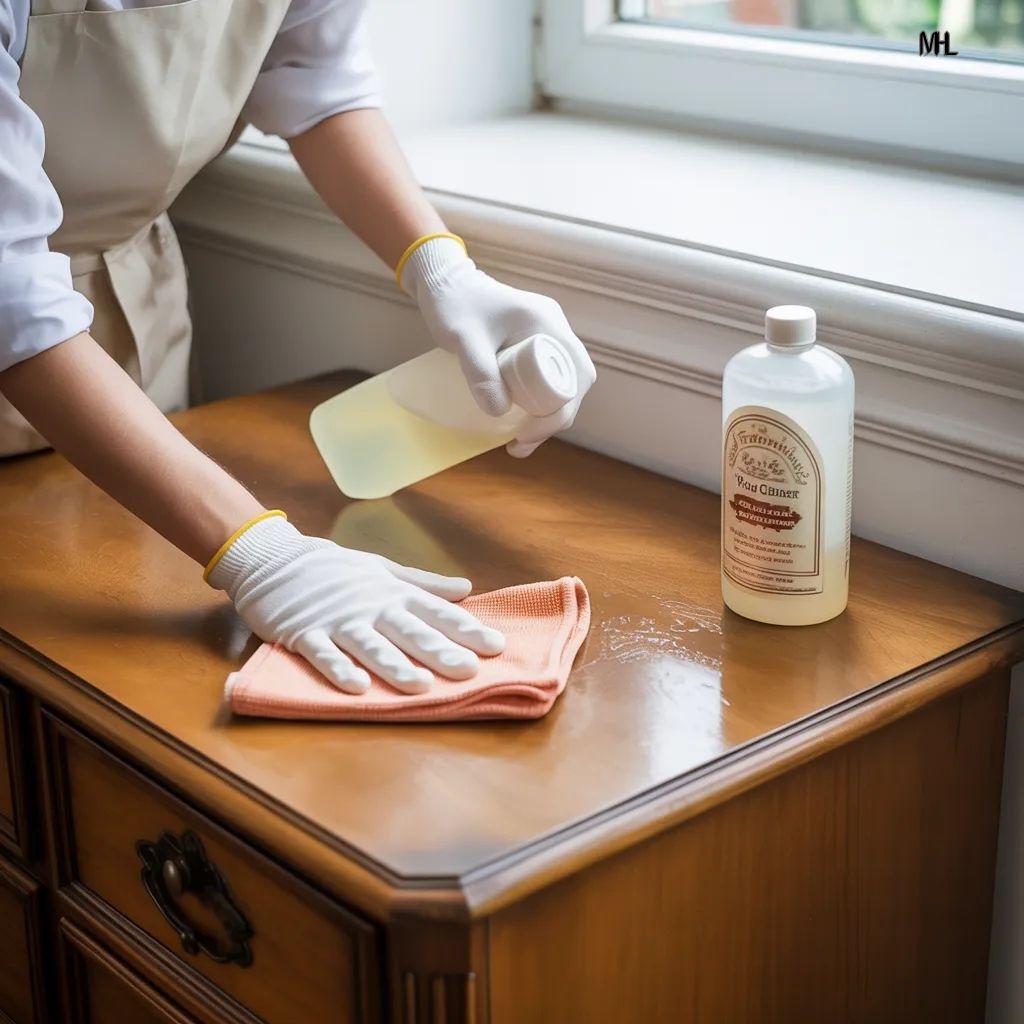
Dust, grease, and buildup can dull the surface and hide the original finish. A thorough clean helps reveal what the piece actually looks like and makes other improvements more effective.
Use a gentle cleaner and a soft cloth to wipe down all surfaces, including corners and edges. Allow the piece to dry completely before moving to the next step.
This step works especially well when the furniture looks dull or slightly sticky, since buildup can make even good surfaces appear worn. Taking time to clean details like edges and handles often creates an immediate improvement without needing further changes.
2. Refresh the Surface with Paint or a New Finish
Changing the surface is one of the most effective ways to update furniture.
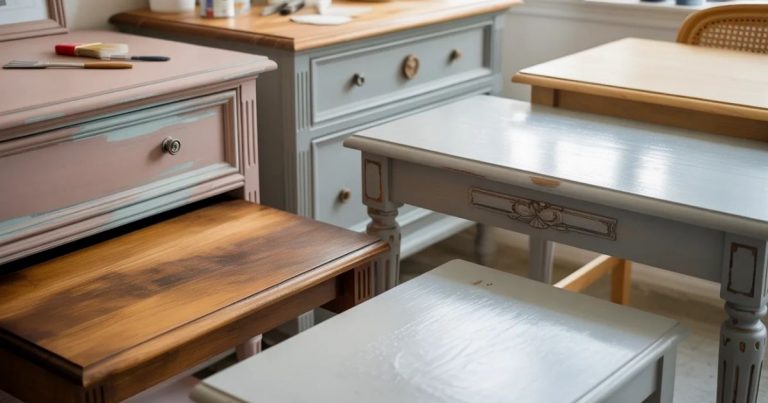
Painting can completely transform the look of a piece, especially when the original color feels outdated. A new finish, such as a light stain or protective coat, can also improve how the surface reflects light and feels.
Preparation matters here. Light sanding helps the paint or finish adhere properly, while applying thin, even coats creates a smoother result.
This step works best when the color or finish no longer fits your space, since a new surface can completely change how the piece feels. Applying multiple thin coats instead of one thick layer helps create a cleaner and more even look.
3. Replace Small Details That Make a Big Difference
Small details often have a larger impact than expected.
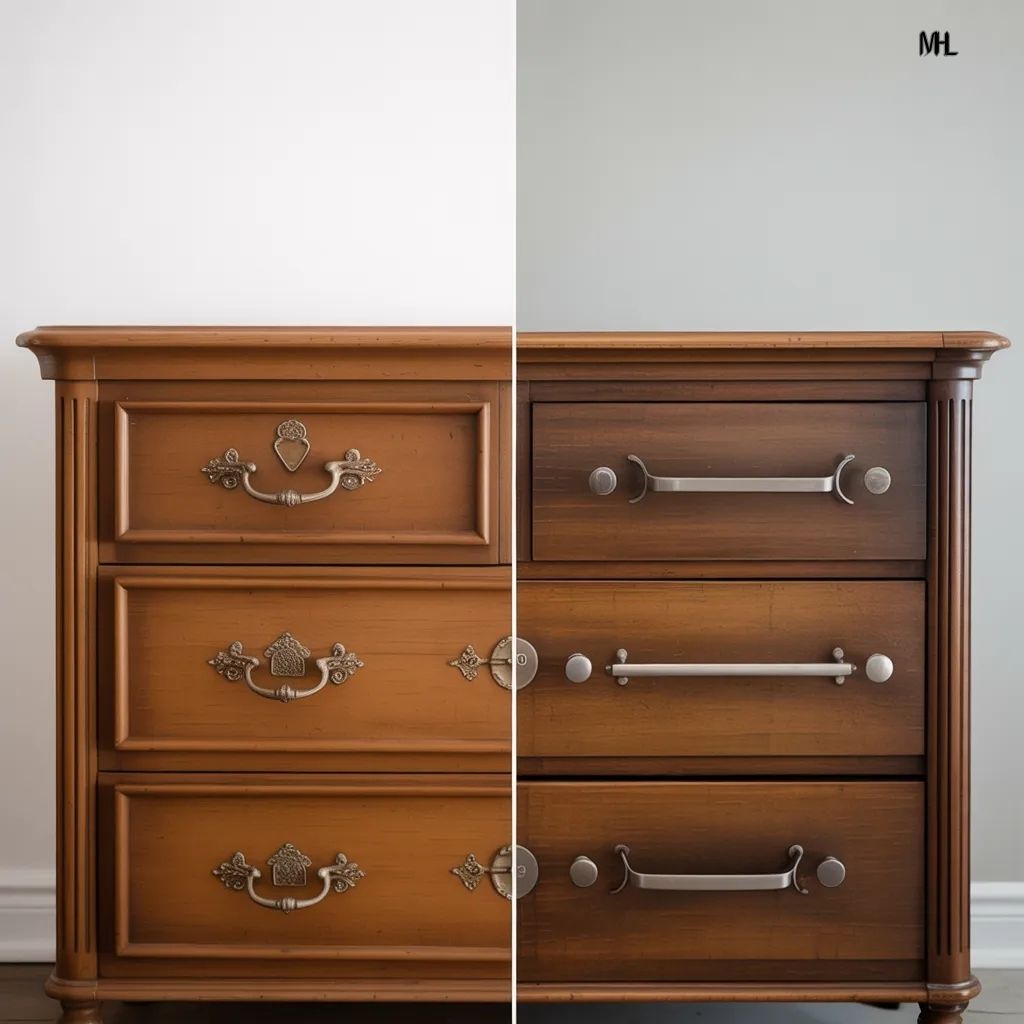
Handles, knobs, and visible hardware can make furniture look outdated even if the structure is still good. Replacing them with simpler or more modern options can instantly update the piece.
This is one of the easiest changes to make, and it doesn’t require much time or effort.
This step works well when the furniture feels slightly outdated but still in good condition, since updating hardware can quickly modernize the overall look.
4. Fix Minor Damage Instead of Ignoring It
Small imperfections can make furniture look older than it really is.
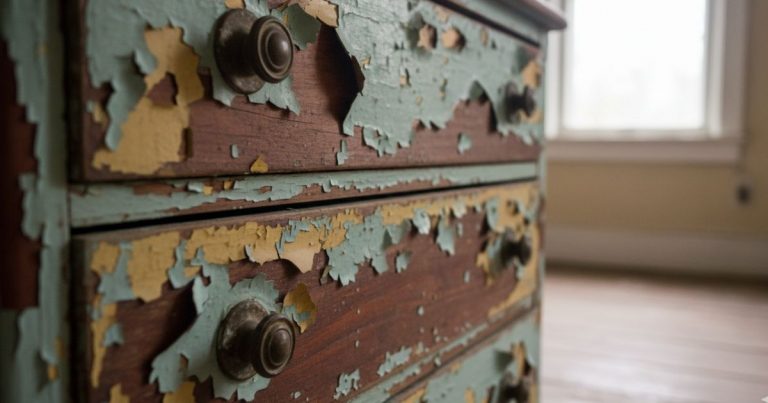
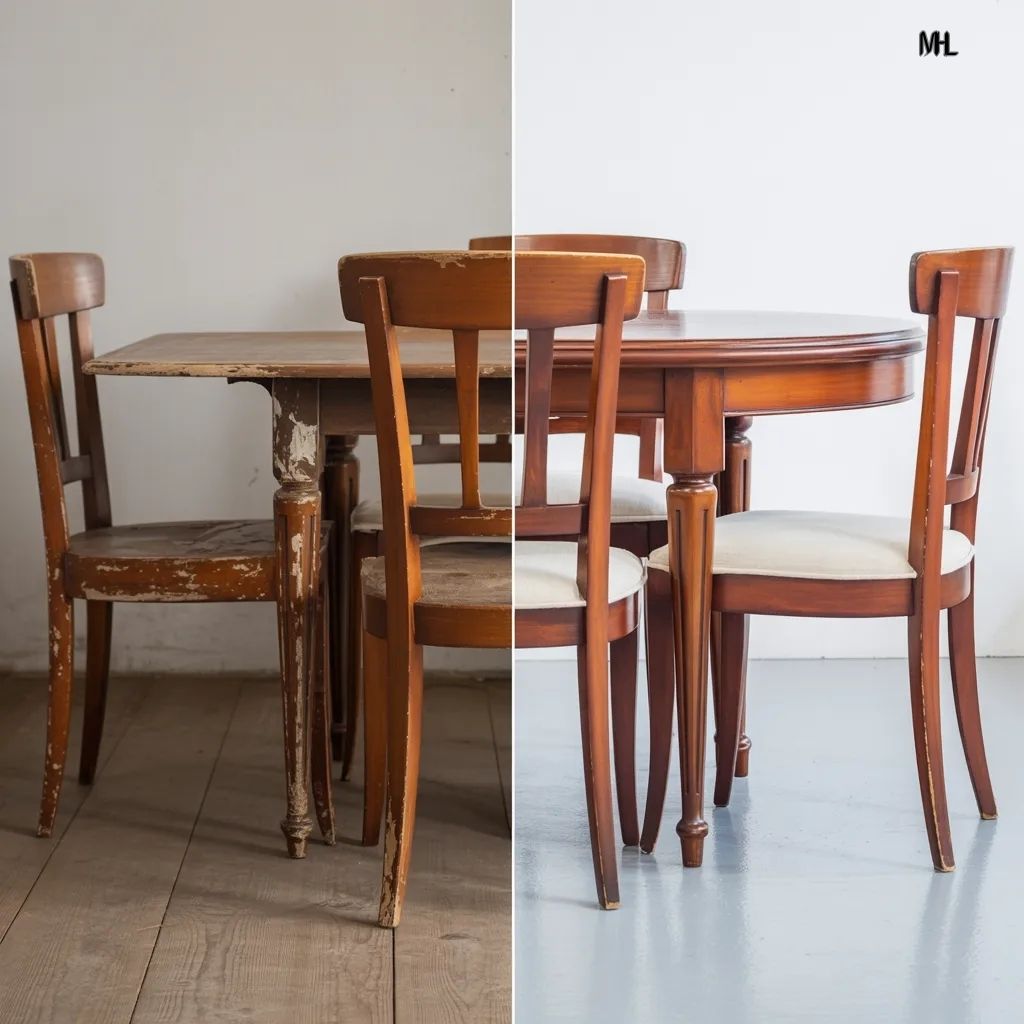
Scratches, chipped edges, or uneven areas draw attention and affect the overall appearance. Fixing these issues, even in a simple way, can improve how the piece looks.
Light sanding, touch-up paint, or small repairs are often enough to make a noticeable difference.
This step works best when there are visible marks or small areas of damage, since addressing them helps the surface look more even.
5. Adjust How the Furniture Fits Into Your Space
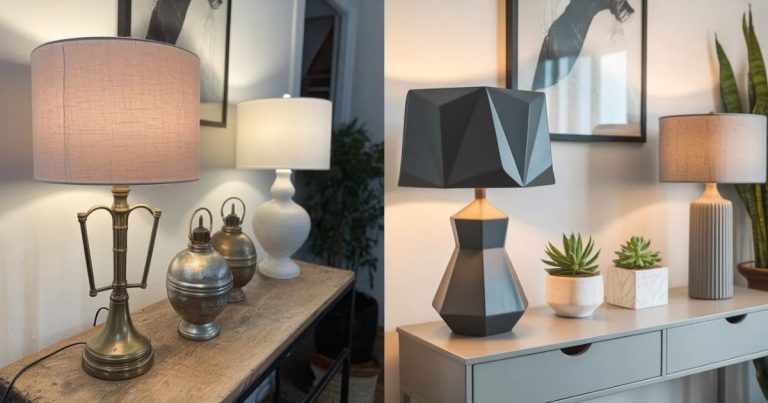
Sometimes the furniture itself is not the problem. It’s how it fits into the room. Changing placement, pairing it with different items, or styling it differently can make it feel more intentional.
For example, placing fewer items on top or adjusting surrounding elements can make the piece stand out in a better way.
This step works well when the furniture feels out of place rather than worn, since small adjustments in styling or placement can change how it is perceived.
What Actually Makes Furniture Look “New” Again
Furniture doesn’t need to be perfect to feel new.
A clean surface, updated details, and a clear place in the room are often enough to create that effect. The combination of these elements changes how the piece is seen, even if the structure stays the same.
It’s less about transformation and more about refinement.
Simple Changes That Create the Biggest Impact
Some changes have a stronger effect than others.
A fresh coat of paint can completely shift how a piece looks. Replacing hardware can modernize it instantly. Cleaning and clearing the surface can improve how it feels in the space.
Focusing on these high-impact changes saves time and effort.
A Simple Process You Can Follow
Instead of trying to do everything at once, a simple order makes the process easier:
- clean the piece thoroughly
- fix visible damage
- update the surface if needed
- replace small details
- adjust placement
Following this sequence keeps the process manageable and effective.
Common Mistakes to Avoid
Trying to change too many things at once can make the process more complicated than it needs to be. Skipping preparation steps like cleaning or sanding often leads to poor results, especially when painting.
Choosing overly complex designs or colors can make the furniture harder to match with the rest of the space. Keeping changes simple usually leads to better outcomes.
FAQs
Can old furniture really look new again?
Yes, small improvements can significantly change how furniture looks and feels.
Do I need to repaint everything?
Not always. Cleaning and updating details can be enough in many cases.
What is the easiest upgrade?
Replacing hardware is one of the quickest and most noticeable changes.
How do I know if furniture is worth fixing?
If the structure is still solid, it is usually worth improving.
Related Articles
- How to Fix Streaky Paint on Furniture
- Why Paint Peels Off Furniture
- How to Choose the Right Paint Finish for Furniture
Final Thought
Old furniture doesn’t need to be replaced to feel new again. Small, practical changes can make a big difference without requiring a complete transformation.
When you focus on what actually affects how a piece looks, it becomes much easier to improve it in a simple and effective way.