How to Fix Streaky Paint on Furniture (Step-by-Step Guide)
Painting furniture often looks simple at first. A brush, a can of paint, and a few hours seem like all it takes. But once the paint dries and the surface shows visible streaks, uneven texture, or brush lines, the result can feel disappointing. This is one of the most common issues in DIY furniture projects….
Painting furniture often looks simple at first. A brush, a can of paint, and a few hours seem like all it takes. But once the paint dries and the surface shows visible streaks, uneven texture, or brush lines, the result can feel disappointing.
This is one of the most common issues in DIY furniture projects. It doesn’t necessarily come from a lack of effort, but from small details that are easy to overlook, like how the paint is applied or how the surface is prepared.
The encouraging part is that streaky paint is almost always fixable. In most cases, the surface doesn’t need to be stripped or completely redone. A few careful adjustments can turn an uneven finish into something smooth and much more refined.
The Quick Fix That Makes the Biggest Difference
Streaky paint is usually the result of uneven layers or rushed application, and the fastest way to improve it is to smooth the surface and reapply paint more carefully.
A simple approach works best:
- allow the paint to fully dry before touching it
- lightly sand the surface to remove visible streaks
- apply a new coat in thin, even layers
- use tools that help distribute paint smoothly
A better finish rarely comes from adding more paint. It comes from applying it more evenly.
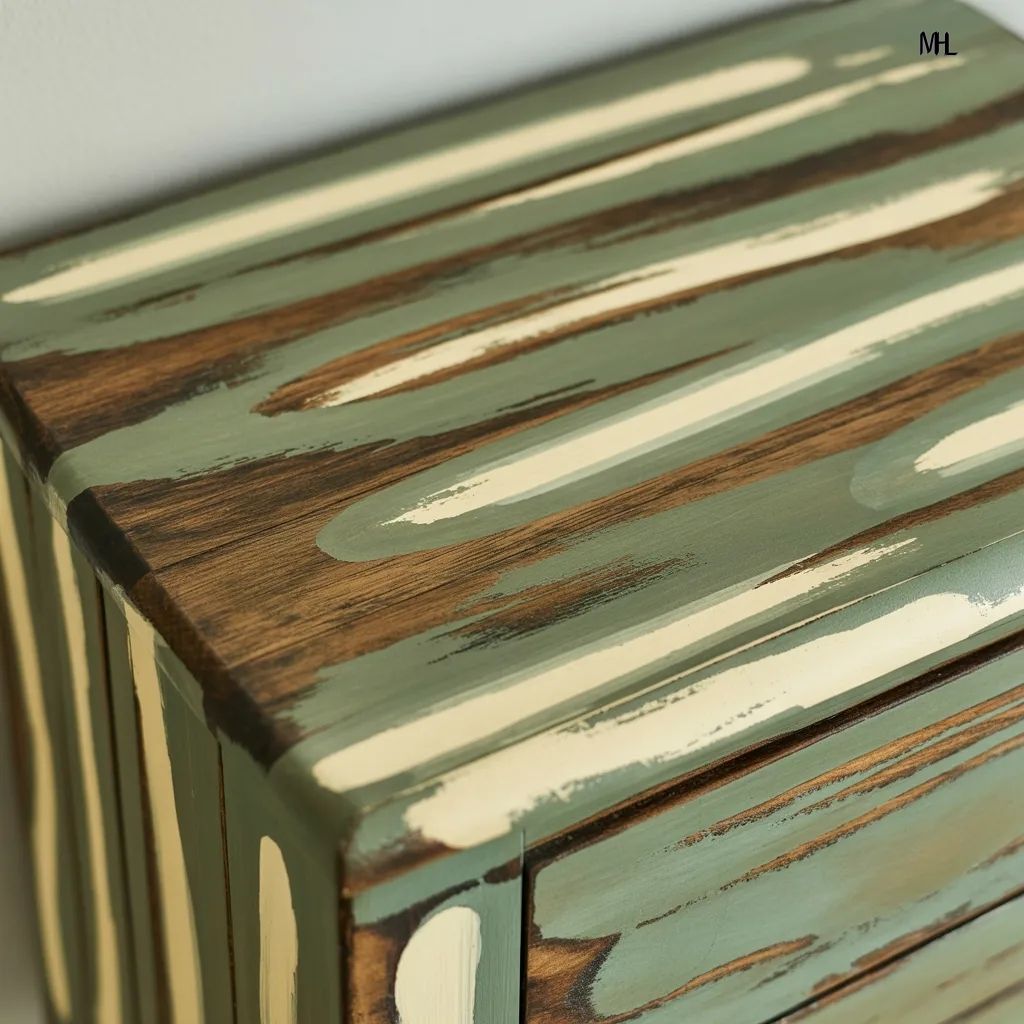
What Causes Streaky Paint on Furniture
Understanding why paint becomes streaky makes it much easier to fix and prevent.
One of the most common causes is applying paint too thickly. Thick layers don’t level out properly, which leaves visible lines and uneven texture once dry.
Another reason is using the wrong tool. Some brushes leave strong marks, especially if the bristles are stiff or low quality. Even good brushes can create streaks if too much pressure is applied.
Painting too quickly can also lead to uneven results. When sections dry at different times, it becomes harder to blend strokes smoothly.
Finally, skipping proper surface preparation can affect how paint adheres. Dust, old finish, or grease can cause the paint to sit unevenly on the surface.
How to Fix Streaky Paint (Step-by-Step Guide)
Fixing streaky paint doesn’t require starting over. The goal is to smooth the surface and apply paint more evenly.
Step 1: Let the Paint Fully Dry
Before making any changes, allow the painted surface to dry completely. Working on paint that is still soft can make the surface worse instead of better.
Drying time depends on the type of paint, but waiting several hours or overnight is usually enough.
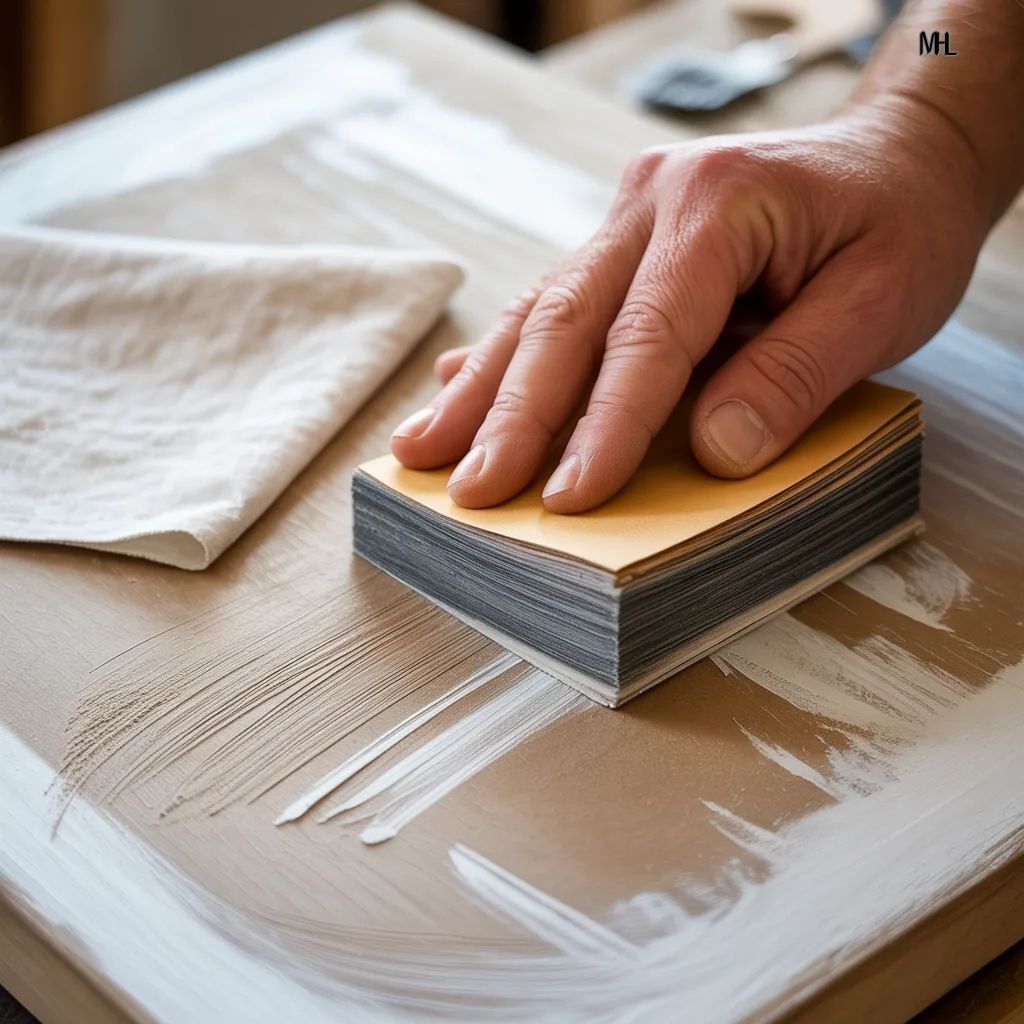
Step 2: Lightly Sand the Surface
Use fine-grit sandpaper (around 220 grit) to gently smooth out the streaks. The goal is not to remove all the paint, but to even out the texture.
Sand lightly in smooth, consistent motions, focusing on the areas where streaks are most visible. After sanding, wipe away dust with a clean cloth.
Step 3: Apply a Thin, Even Coat of Paint
Apply a new coat of paint using less product than before. Thin layers spread more evenly and reduce the chance of visible strokes.
Work in long, consistent strokes and avoid going over the same area too many times. Let the paint settle naturally instead of trying to force a smooth finish.
Step 4: Use the Right Tool
If streaks were caused by a brush, switching tools can make a big difference.
A foam roller often creates a smoother finish on flat surfaces, while a high-quality soft brush works better for edges and details.
Choosing the right tool helps distribute paint evenly without leaving marks.
Step 5: Let Each Coat Dry Before Adding Another
Applying another coat too soon can pull the paint underneath and create new streaks.
Allow each layer to dry fully before adding the next. This helps the paint build up evenly over time.
Step 6: Repeat if Needed
In some cases, more than one additional coat is needed to achieve a smooth finish.
Repeating the process of light sanding and thin application will gradually improve the surface without making it too thick.
Why One Thick Coat Almost Always Backfires
It’s tempting to try to get full coverage in one coat, especially when time is limited. However, thick layers tend to create more problems than they solve.
Heavy paint doesn’t level evenly and often traps brush marks within the surface. As it dries, these marks become more visible instead of disappearing.
Thin coats behave differently. They spread more smoothly and allow each layer to settle before the next is added. Over time, this creates a more even and professional-looking finish.
What often feels like extra work is actually what makes the process easier in the long run.
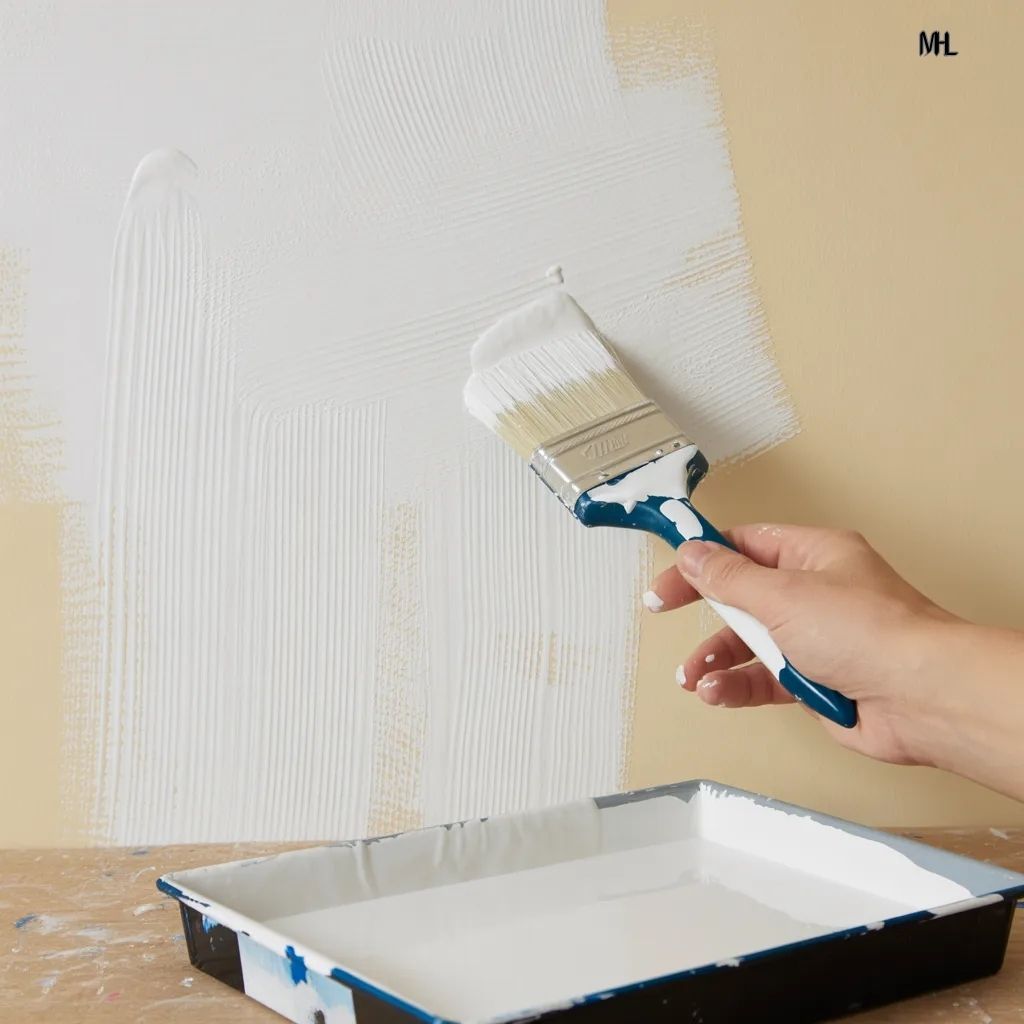
A Better Way to Apply Paint So It Doesn’t Streak Again
Once the surface has been corrected, improving the application method helps prevent the same issue from happening again.
Working with smaller amounts of paint allows better control and reduces buildup. Keeping strokes consistent and moving in the same direction helps the surface look more uniform.
It also helps to maintain a steady pace instead of rushing. When paint dries unevenly across sections, it becomes harder to blend smoothly.
Lighting can make a difference as well. Painting in a well-lit area makes it easier to spot streaks early, before they fully set.
These adjustments may seem small, but they change the overall result significantly.
Tools That Actually Change the Finish
The tools used in a painting project often have a bigger impact than expected.
Soft-bristle brushes tend to leave fewer marks and are easier to control when applying thin coats. Foam rollers are especially useful for flat surfaces where an even finish is important.
Fine-grit sandpaper is essential for smoothing out imperfections between coats, while a clean cloth helps remove dust before repainting.
Using the right tools doesn’t make the process more complicated. It simply makes the outcome more consistent and easier to achieve.
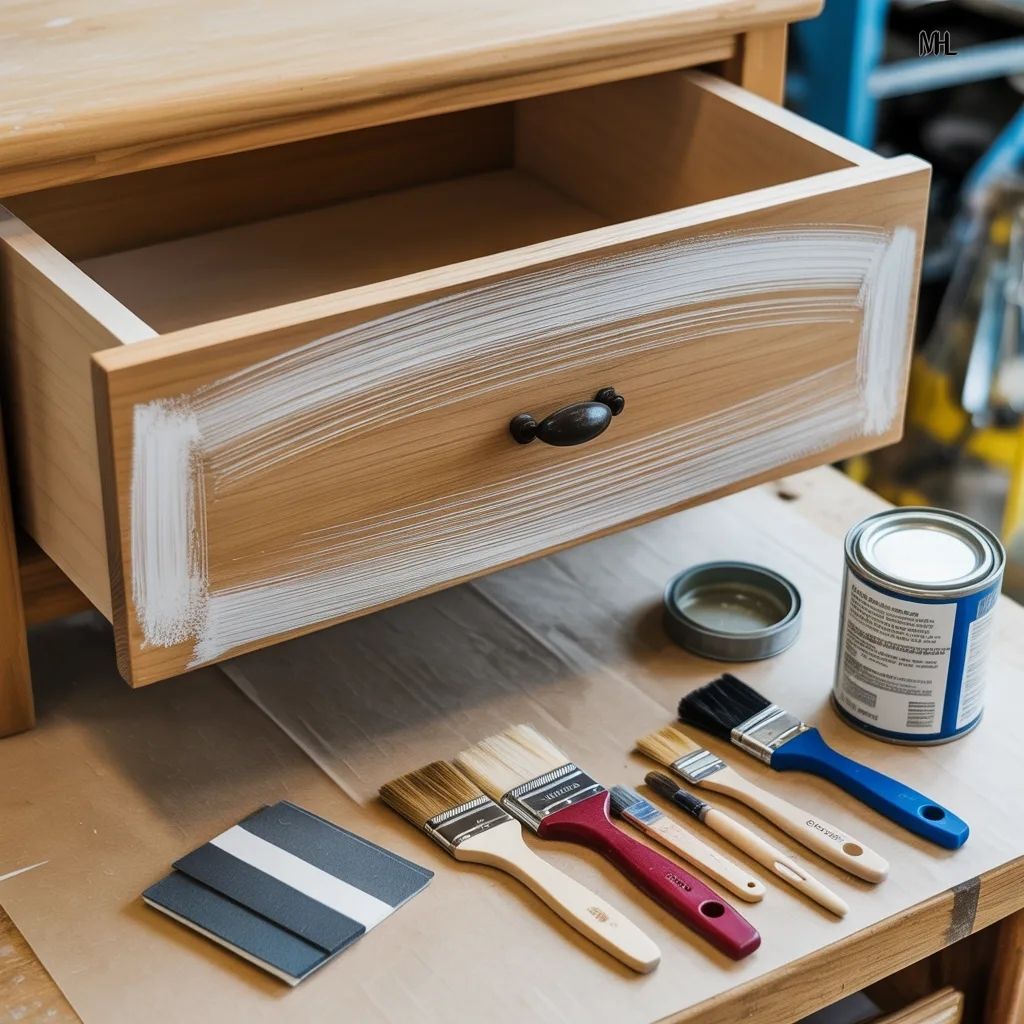
Small Mistakes That Ruin the Final Look
Many streaking issues come from small habits that are easy to overlook.
Applying too much paint at once is one of the most common mistakes. It often feels faster but creates uneven texture that is harder to fix later.
Going back over partially dried paint can also disrupt the surface and create visible lines. Using low-quality tools or pressing too hard while painting can leave marks that don’t settle as the paint dries.
Rushing the drying process is another factor. Allowing enough time between coats is what helps the finish build up evenly.
When It’s Better to Start Over
Most streaky finishes can be improved with sanding and reapplication, but there are situations where starting over is the better option.
If the paint feels thick, uneven, or heavily textured, small adjustments may not be enough to correct it. In those cases, sanding the surface more thoroughly and repainting can save time in the long run.
Knowing when to fix and when to restart helps avoid unnecessary frustration.
FAQs
Can streaky paint be fixed without sanding?
Light sanding is usually the most effective way to smooth out streaks, although very minor streaks can sometimes be improved with another thin coat.
Why does my paint look uneven after drying?
This often happens when paint is applied too thickly or when coats are not allowed to dry properly.
What is the best tool for a smooth finish?
Foam rollers and high-quality soft brushes are commonly used for smoother results.
How many coats of paint do I need?
Most furniture projects require at least two to three thin coats for an even finish.
Related Articles
- Why Paint Peels Off Furniture (And How to Prevent It)
- How to Choose the Right Paint Finish for Furniture
- How to Make Old Furniture Look New Without Replacing It
Final Thought
Streaky paint can be frustrating, but it is rarely permanent. Most uneven finishes can be improved with simple adjustments and a bit more patience.
A smooth result doesn’t come from using more paint. It comes from applying it in the right way, one thin layer at a time.