I Made Dinner at 9 p.m. and Called It a Win
I made dinner at 9 p.m., and I’m saying that like it’s a brave accomplishment because the moment I looked at the clock, I felt that familiar wave of judgment rise up. My brain tried to turn the time into a moral verdict, like if you don’t eat at a respectable hour with a balanced…
I made dinner at 9 p.m., and I’m saying that like it’s a brave accomplishment because the moment I looked at the clock, I felt that familiar wave of judgment rise up.
My brain tried to turn the time into a moral verdict, like if you don’t eat at a respectable hour with a balanced plate and an aesthetically pleasing glass of water, then you are failing at life and should probably just eat crackers while standing over the sink.
It had been one of those days that felt full in a slippery way, where you do a lot but nothing feels finished. I had intended to make dinner earlier, obviously, because nobody plans for 9 p.m.
Still, I was hungry, and hunger is stubborn, and so is my very real desire to take care of myself even when my day didn’t go perfectly. Feeding yourself counts, even late, and you don’t have to earn nourishment by having a perfectly timed schedule.
The Late-Night Kitchen Mood That Makes Me Want to Give Up
At 9 p.m., the kitchen feels different than it does at 6 p.m., because by 9 p.m. you’re already mentally winding down, and starting anything can feel like reopening the day. My sink had a few dishes, my counter had the crumbs of a snack I ate earlier like it was a meal.
This is where I tend to spiral into an all-or-nothing mindset, because if I can’t do dinner “right,” then I start believing I shouldn’t do it at all, and that is exactly how I end up eating random handfuls of things that don’t satisfy me.
I had to remind myself that dinner is not a performance, it’s care, and care doesn’t stop being valid just because the clock looks a certain way.
Here’s the Part I Messed Up, So You Don’t Have To
I almost let shame decide what I ate. I stood there thinking about how late it was, and I felt that urge to punish myself by skipping a real meal, like I didn’t deserve the effort because I “should have” done it earlier.
That’s such a sneaky pattern, because it sounds like discipline, but it’s not discipline, it’s just unkindness dressed up as standards.
I also made the classic mistake of thinking dinner had to be a full recipe to count, which is another trap, because it makes cooking feel too big to start. When you’re already tired, you need a doable meal, and a doable meal is often the thing that saves you.
The message mattered right there because it gave me permission to start small instead of quitting.
The Shift: Turning Dinner Into a “Win” Instead of a Judgment
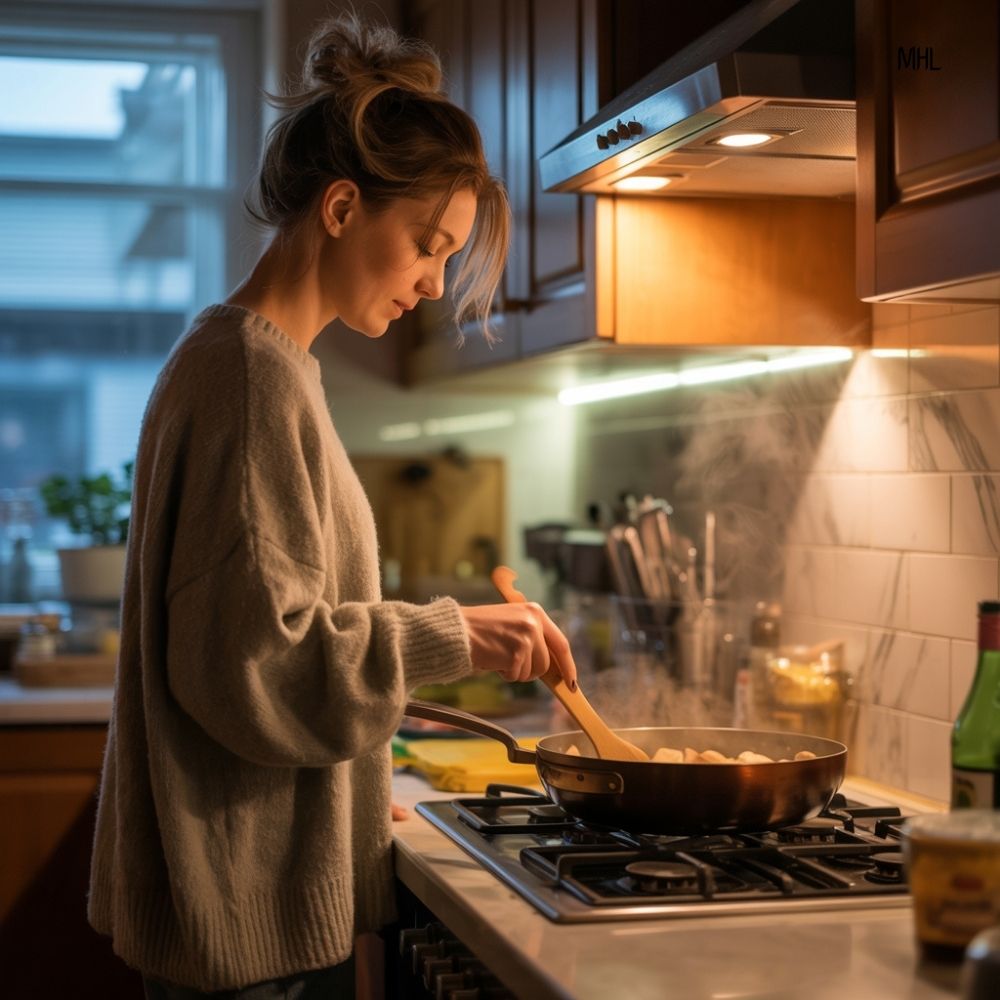
Instead of aiming for “a proper dinner,” I aimed for “a warm meal with protein and something comforting,” because warmth is soothing and protein helps me feel settled. That goal was realistic, and realistic goals are the kind you can meet even when you’re running on low battery.
I also told myself that cooking at 9 p.m. wasn’t evidence that I was behind, it was evidence that I was still showing up for myself, and that reframe softened my whole mood.
Feeding yourself counts, even late, and counting it as a win is not delusion, it’s survival wisdom.
What I Made, and Why It Worked for a Late Hour
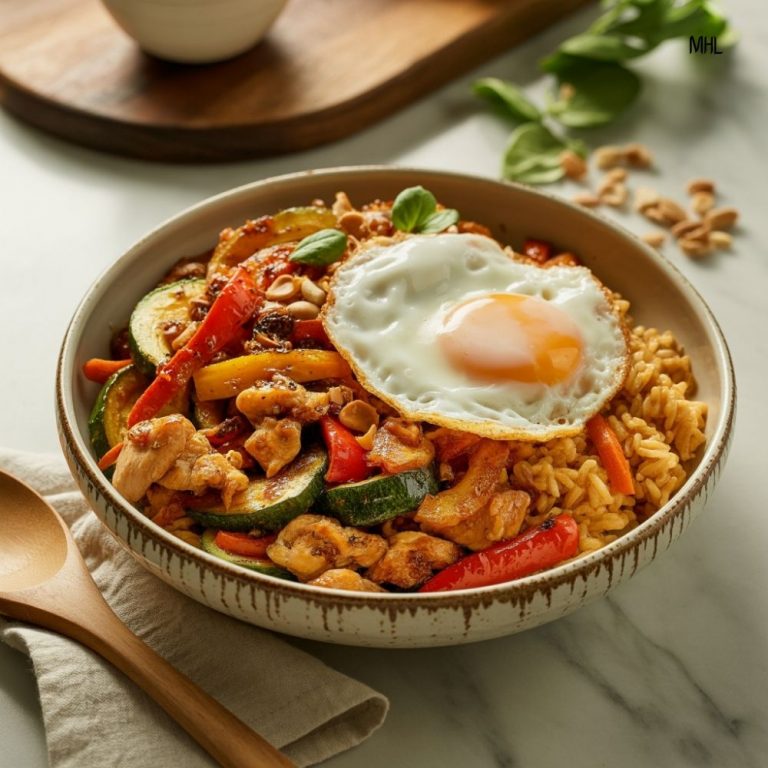
I made a simple skillet meal, the kind of meal that doesn’t require me to preheat the oven for twenty minutes and then wait. I grabbed a protein I had, used whatever vegetables were easiest, and built something warm with seasoning I actually like.
What I Used
Ingredients
- One quick protein (eggs, canned beans, rotisserie chicken, tofu, or ground turkey)
- One vegetable (frozen mix counts, and I mean that sincerely)
- One carb or base (rice, tortillas, toast, noodles, or even leftover potatoes)
- Garlic powder, salt, pepper, and any favorite seasoning
- Optional: cheese, salsa, hot sauce, or a squeeze of lemon
How I Got It Done Without Making It a Whole Thing
I kept the steps simple and forgiving, because late-night cooking needs to be forgiving.
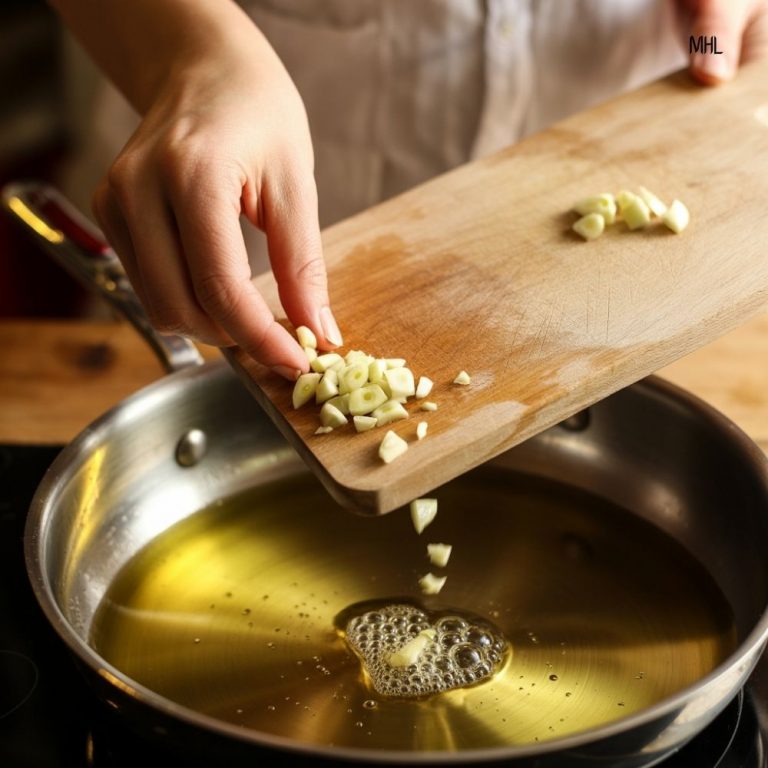
I put a pan on the stove, added a little oil, and started with the easiest thing, which for me is usually vegetables. If I was using frozen vegetables, I let them steam in the pan for a few minutes until they softened, then I added seasoning.
Then I added my protein, and this part depended on what I had. If it was eggs, I scrambled them right into the pan. If it was beans, I warmed them and added spice. If it was chicken, I chopped it and stirred it through. The point was that I wasn’t building a masterpiece, I was building a meal.
Once everything was warm and combined, I added a base, like toast or a tortilla, because a base makes it feel complete, and feeling complete is what prevents the late-night snack spiral.
I ate standing at the counter for the first few bites, which is very on-brand, then I sat down, because sitting down makes it feel like a meal instead of a scramble.
The Message, Threaded Through Every Choice
Every time my brain tried to say, “It’s too late, just skip it,” I answered with, “Feeding yourself counts, even late,” because that sentence is both true and practical.
It’s true because your body doesn’t stop needing nourishment after a certain hour, and it’s practical because a warm meal changes your mood in a way that scrolling never will. It’s also an act of respect toward yourself, and respect does not require perfect timing.
I used to think a “win” had to look impressive, and now I’m learning that a win can be small and ordinary and still deeply meaningful, especially when you are tired and tempted to quit on yourself.
The Tiny After-Dinner Moment That Made Me Feel Proud
After I ate, I didn’t deep clean, because I’m not trying to turn dinner into a punishment, but I did one small thing that helps future me, which was rinsing the pan and wiping the counter. It took two minutes, and it made the kitchen feel less like a task waiting for me in the morning.
Then I went to bed feeling steadier, not because my life had become organized overnight, but because I had taken care of my basic needs, and that always matters.
Feeding yourself counts, even late, and it counts even if the meal is simple, and it counts even if you didn’t do it “right,” because the point is not perfection, the point is care.