How Cooking Made It Clear I Needed to Slow Down
Burnt garlic has a way of announcing itself loudly, and on this particular day, it felt personal. Not because garlic is precious, but because everything already felt slightly off, like the world was asking too much and patience was running low. The plan had been simple. Start dinner, take care of something ordinary, move through…
Burnt garlic has a way of announcing itself loudly, and on this particular day, it felt personal. Not because garlic is precious, but because everything already felt slightly off, like the world was asking too much and patience was running low.
The plan had been simple. Start dinner, take care of something ordinary, move through the evening without overthinking. But the moment the garlic hit the pan, attention drifted elsewhere, carried off by thoughts that had nothing to do with cooking and everything to do with feeling stretched thin.
By the time the smell changed from comforting to sharp, the realization landed quietly but clearly. The frustration wasn’t really about the food. It was about how much of the day had been absorbed as a personal failure instead of a series of neutral moments.
The message that stuck was surprisingly practical: some days don’t need fixing, analyzing, or internalizing. Sometimes noticing that you’re taking the day personally is enough to stop doing it.
The Moment I Realized I Was Spiraling Over Something Small
Burning garlic is annoying, and it absolutely changes a dish, but it also doesn’t deserve to become a moral judgment about your abilities as a person, which is something I have to remind myself of more than I want to admit.
I’ve noticed that when I’m overstimulated or emotionally tired, I start treating small mistakes like they are evidence that always points to the same harsh story, which is that I’m behind, I’m messy, I’m not doing enough, and I should try harder.
The problem is that “try harder” is not always the correct response, especially in cooking, because cooking is one of those places where gentleness is often the thing that saves the day, and the garlic was about to teach me that again.
What Happens When Garlic Goes Too Far, and Why It Feels So Intense
Garlic is dramatic because it burns quickly, and once it burns it can turn bitter in a way that spreads, which means one tiny mistake can make you feel like the whole pan is ruined.
The good news is that you usually have more control than you think, especially if you catch it early enough and you stop trying to force the situation back into “perfect,” because forcing is how bitterness takes over.
The standard Millie move would be to keep cooking out of stubbornness and pretend the bitterness will magically disappear, and the improved Millie move is to pause, assess, and pick a fix that is small enough to do calmly.
What I Was Making, and What You Can Use This For
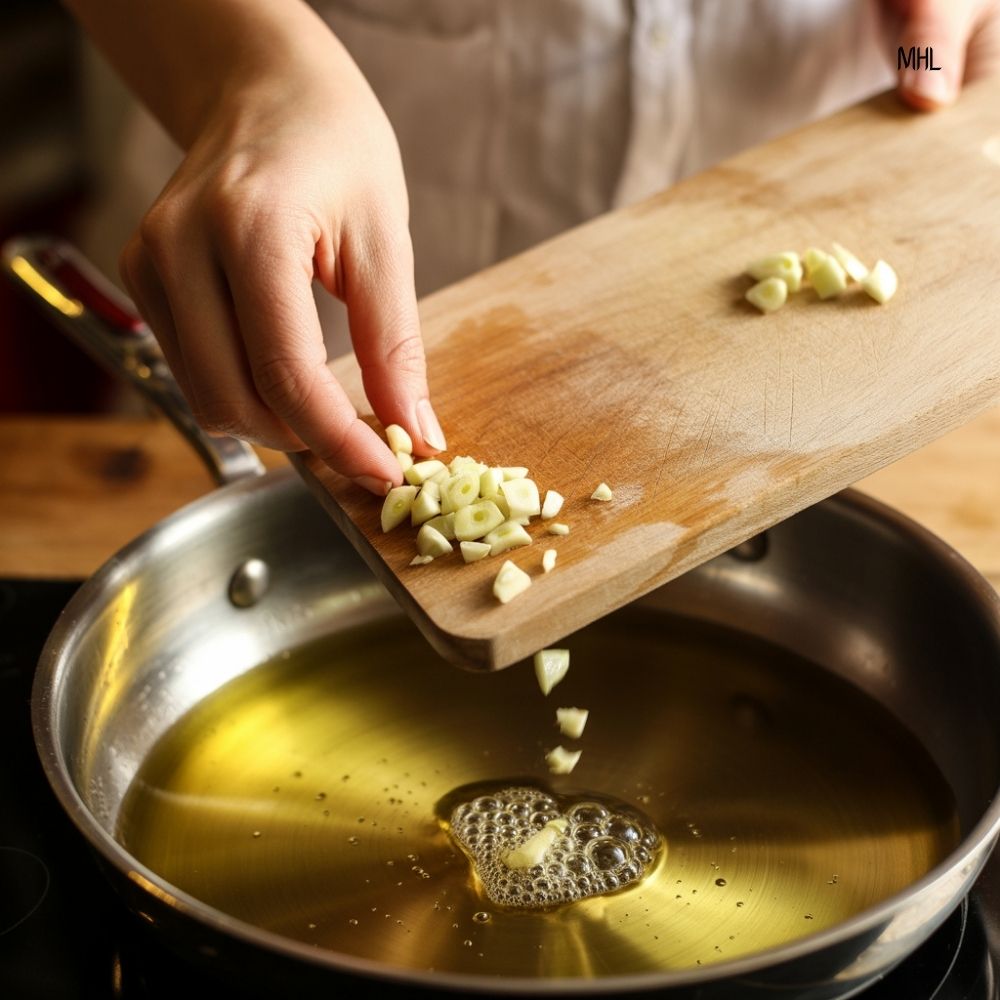
This happened while I was starting a simple dinner base, the kind that could become pasta, a rice bowl, sautéed veggies, or a quick protein skillet, and the rescue methods in this post work for all of those situations.
If you’ve ever burned garlic in butter, oil, or the bottom of a pan before building a sauce, you can use these steps to recover the flavor without throwing everything away and starting over from scratch.
What I Used
Ingredients
- Garlic (fresh cloves or pre-minced, because life is real)
- Olive oil or butter
- Onion (optional, but helpful for sweetness)
- Lemon juice or vinegar (a tiny splash)
- Sugar or honey (a pinch, optional)
- Broth, pasta water, or plain water (to loosen and dilute)
- Whatever you were already cooking (pasta, rice, veggies, chicken, beans, and so on)
Step 1: The First Save Is Always “Stop Cooking the Burned Bits”
The second I smelled the burn, I turned the heat down and got the pan off the burner, because heat is what keeps the bitterness developing, and you want to freeze the situation where it is instead of letting it get worse while you panic.
Then I looked at the garlic closely, because there’s a big difference between garlic that is darker than you wanted and garlic that is truly black and scorched, and your next move depends on that.
If the garlic is truly scorched, the best fix is not heroic, it’s practical, which means you remove it, because no amount of stirring turns burned into sweet, and insisting it should work is just you arguing with physics.
Step 2: The “Do Not Stir” Rule That Saves a Pan
Here’s the part I used to do wrong, because I’d stir aggressively, thinking I was smoothing it out, and all I was doing was spreading the burned flavor across the oil. If you see dark bits, don’t stir them into the rest of the pan, because that bitterness is concentrated, and you want to keep it contained.
Instead, I tipped the pan slightly so the oil pooled on one side, and I spooned out the dark garlic bits from the bottom without scraping them through everything else.
If the garlic had been cooked in oil, I also poured the oil into a small bowl through a fine strainer, because tiny burned flecks can hide in the oil and keep haunting your dish later, and I’ve learned that a clean base is kinder than trying to power through.
This was the first place the message showed up for me, because it reminded me that doing the “smaller” fix, like starting over with fresh garlic, is not failure, it’s softness, and softness is sometimes the most efficient tool you have.
Step 3: How to Save the Flavor When the Garlic Is Only Slightly Overcooked
If your garlic is deep golden and smells a little too toasty but not acrid, you can usually rescue the dish without dumping everything. In that case, I keep the garlic, but I immediately add something with moisture, because moisture cools the pan and stops the garlic from continuing to brown in residual heat.
I use one of these options depending on what I’m making: a splash of broth, a spoonful of pasta water, a little water, or even a quick toss of chopped onion, because onion releases moisture and brings sweetness that can balance a slightly too-toasty garlic edge.
Then I stir gently and let it simmer for about one minute on low heat, just long enough for the harshness to mellow, but not long enough for the garlic to keep cooking aggressively.
Step 4: The “Balance Trick” for Burnt-Adjacent Garlic Taste
If the dish still tastes sharp or bitter, I don’t try to bury it with more salt, because salt makes bitterness feel louder to me, and then the whole thing starts tasting confusing. I fix it by balancing.
This is the exact order that works best for me:
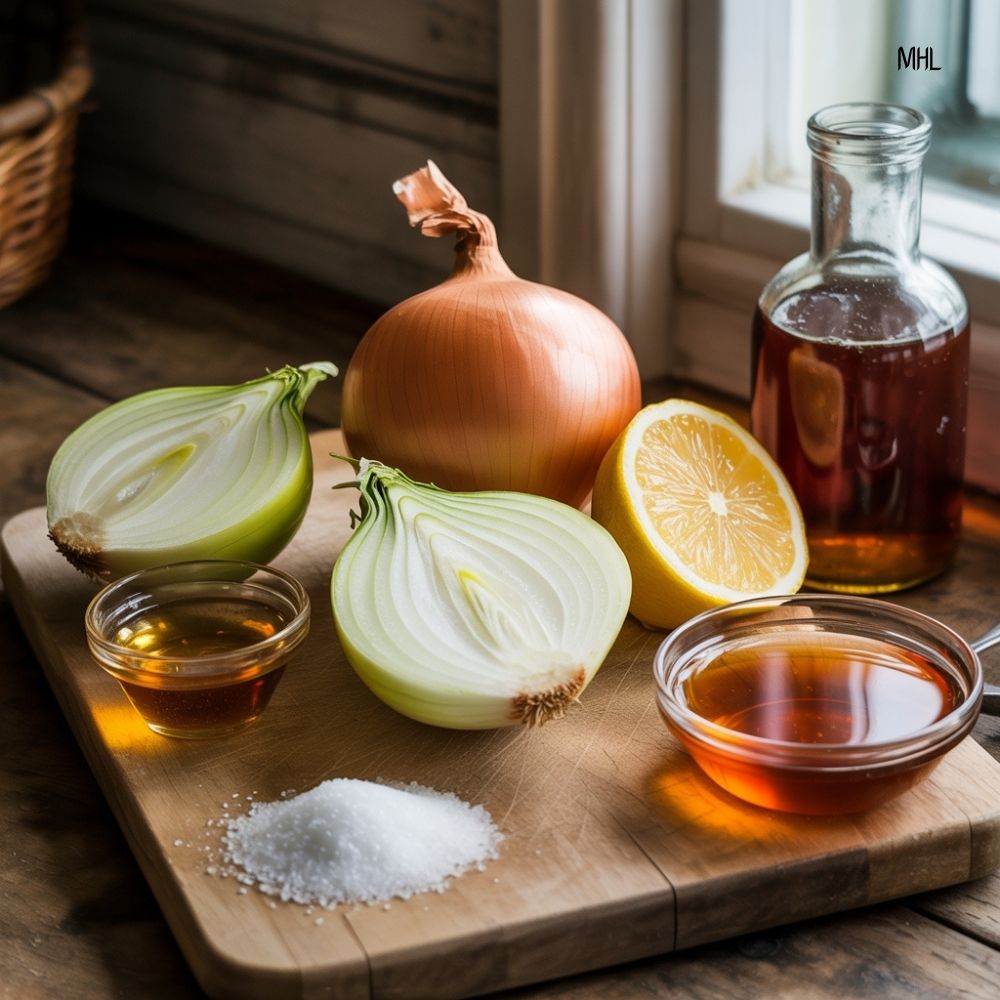
- Add acid in a tiny amount first, then taste. I use a small squeeze of lemon or a few drops of vinegar, and I mean small, because you can always add more, and the goal is to brighten and cut bitterness, not turn dinner into salad dressing.
- Add sweetness in a pinch, then taste. I use a pinch of sugar or a tiny drip of honey, which sounds strange until you try it, because sweetness doesn’t make it sweet, it just rounds out the bitter edges.
- Add fat if the dish allows it. A small knob of butter, a splash of cream, or a drizzle of olive oil can soften harsh flavors, and it also makes the dish feel more comforting, which is honestly what I needed emotionally when I burned the garlic in the first place.
This is also where I remind myself to soften my standards, because I used to think a dish had to be “exactly right” to be worth eating, and now I’m trying to let “good and comforting” be a real win, because a weekday dinner is not a performance.
Step 5: The Fresh Garlic Reset That Doesn’t Feel Like Starting Over
If I remove burned garlic, I still want garlic flavor, because I didn’t start this whole situation to end up with bland food and resentment, so I do a quick reset that gives me clean garlic taste fast.
I wipe the pan if needed, add fresh oil or butter, and then I cook new garlic on low heat while I watch it like it’s a dramatic little toddler, and I set a mental timer, because garlic doesn’t need long.
If you want a very specific guideline, I keep garlic moving and aim for roughly 30 to 60 seconds on low heat, because that window gives me fragrance without crossing into bitter territory, and once it hits that point, I treat it like it’s done its job and deserves to retire into the rest of the dish.
What Dinner Ended Up Being, and Why That Matters
Dinner ended up tasting good, not flawless, but warm and balanced and comforting, which is exactly what I needed, and the whole experience reminded me that “saveable” is a beautiful category.
The garlic wasn’t perfect, but it also didn’t ruin everything, and the day wasn’t perfect either, but it also didn’t get to define me just because it had a rough middle.
Here’s the part I messed up, so you don’t have to, and here’s the message I want threaded through the whole story: when you mess something up, your next choice doesn’t have to be dramatic; it can be small, calm, and practical, and that is often enough to bring you back to yourself.
Your Turn
Tell me what tiny cooking mistake makes you feel irrationally upset, because I’m convinced we all have one, and I want to know yours so I can feel less alone the next time I burn garlic and briefly act like the universe is targeting me personally.