I Hosted a “Drink Night” and Forgot Ice Like a Professional
I hosted a drink night and forgot ice like a professional, which is funny because I remembered the things that do not matter but I forgot the one thing that makes drinks feel like drinks instead of a lukewarm apology. I wanted a low-key night. That was the whole idea. Just a couple friends, a…
I hosted a drink night and forgot ice like a professional, which is funny because I remembered the things that do not matter but I forgot the one thing that makes drinks feel like drinks instead of a lukewarm apology.
I wanted a low-key night. That was the whole idea. Just a couple friends, a few fun drinks, a snack situation, and that warm feeling you get when your home is full of the kind of laughter that makes you forget your phone exists for a minute.
And yet, the second I agreed to host, my brain did its usual thing where it turned “friends coming over” into “test of worthiness,” because apparently I still carry the belief that I need to earn connection by being polished.
Here’s the message that kept nudging me through the whole night, from the first text to the last empty cup: friends come for you, not the details, and the details do not get to decide whether you are a good friend.
The Plan That Looked Cute in My Head and Chaotic in My Kitchen
I called it a “drink night,” which made me feel fancy, even though it was basically “please come sit in my living room and talk to me.” I told myself I’d do two simple drink options, one alcoholic and one not, and I’d put out snacks that required zero cooking because I am not trying to do the most.
I wrote a tiny list in my notes app, because I am the kind of person who believes lists can protect you from chaos, even though I routinely ignore my own lists like they’re optional suggestions.
My list was something like: cups, snacks, mixers, garnishes, ice. Yes, ice was literally on the list, and I still forgot it, which tells you everything you need to know about my brain.
The Pre-Guest Reset That Made Me Feel Like I Had It Together (Temporarily)
About an hour before everyone arrived, I did the classic Millie speed-reset, which is not a deep clean, it’s more like a targeted illusion. I cleared one surface so we’d have a place to set drinks, I wiped the bathroom sink because that’s just respectful, and I shoved a questionable pile into a closet.
Then I set out cups and napkins and a bowl for chips, and I lit a candle because candles make everything feel intentional, even if you are holding your life together with two hair ties and a prayer.
At this point I felt proud, which is always the dangerous part, because pride is when the universe humbles you. Friends come for you, not the details, and I was about to get a live demonstration of that.
The Exact Moment I Realized I Forgot Ice
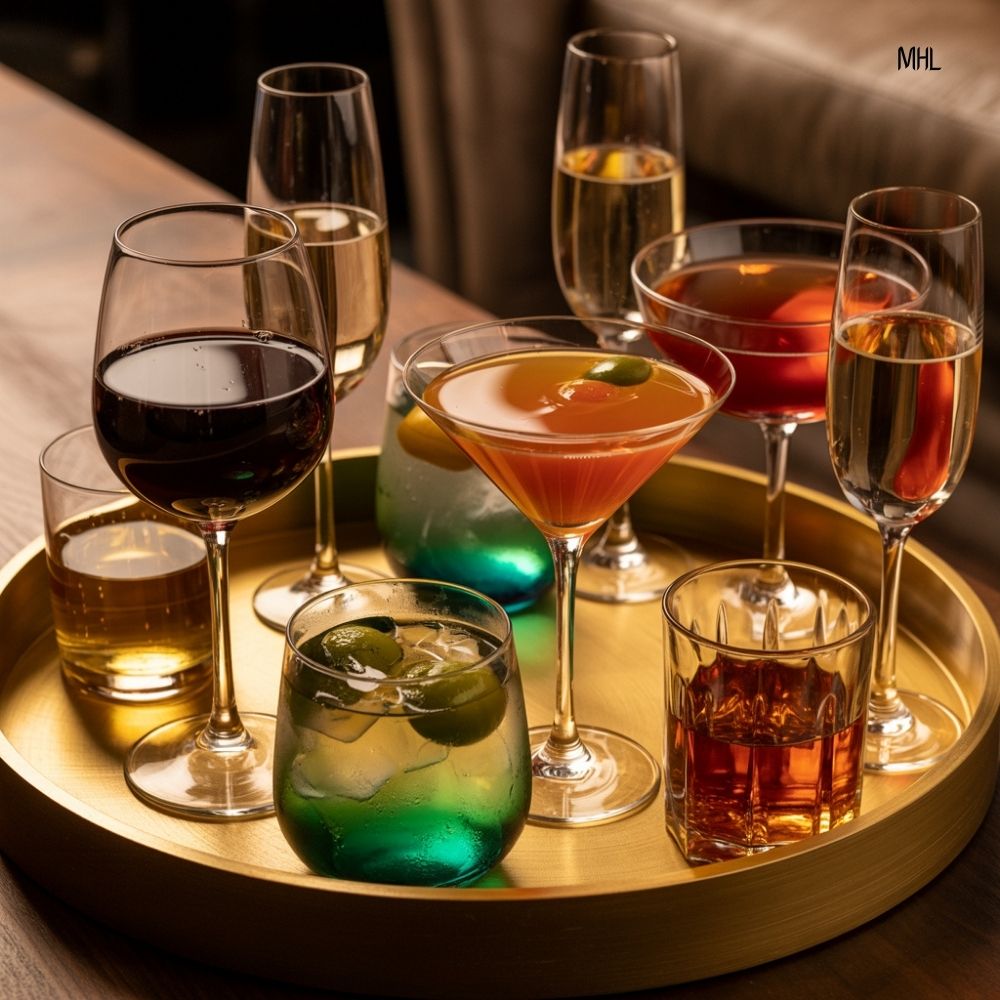
I had everything laid out. I had the bottles. I had the mixers. I had a little bowl of lime wedges that made me feel like a bartender in a rom-com. I had sparkling water. I had a pitcher. I had the audacity.
Then I opened the freezer. There was no ice.
Not a bag. Not a tray. Not even those sad two cubes stuck together in the corner of a bin like they were hiding. Nothing.
It was the kind of empty that makes your stomach drop, because ice is not optional on a drink night, ice is the whole personality. Ice is the difference between “refreshing” and “room temperature regret.”
And immediately my brain tried to turn it into a disaster, because that’s what my brain does. It started telling me that this meant I was unprepared, that I was a bad host, that everyone would be silently annoyed, and that I should have never suggested a drink night in the first place.
I almost let one missing detail convince me I wasn’t allowed to host.
The Scramble, Featuring Me Trying to Solve Ice Like It Was a Math Problem
I did what any reasonable person would do, which is stand there for thirty seconds staring into the freezer like ice might materialize out of guilt. Then I started improvising, because improvising is my most consistent skill.
I checked my freezer tray situation, and it was tragic, because I had one empty tray. I considered sending a text to my friends warning them, like, “Hey, there will be no ice but please still love me,” but then I remembered something important.
Friends come for you, not the details, and texting them a pre-apology would turn a tiny issue into a big mood.
So I chose the most Millie solution possible: I laughed at myself, put the tray in the freezer anyway like it was a symbolic act, and decided I would either run out for a bag or make it part of the night’s comedy.
I did end up grabbing a bag of ice from the closest place because it was quick, and while I was out I had to actively avoid the trap of buying fourteen other things, because nothing says “low-key drink night” like returning home with decorative straws you do not need.
When They Arrived, and I Tried Not to Apologize for Existing
When the first friend arrived, my instinct was to say, “Ignore the chaos,” because that’s what I do, but I stopped myself, because I’ve noticed apologies can become a weird habit, like I’m constantly asking permission to take up space.
Instead, I said, “Hi, I’m so happy you’re here,” which is the truer sentence anyway. Then someone asked what we were drinking, and I tried to act like I had not just sprinted to buy ice like I was on a game show.
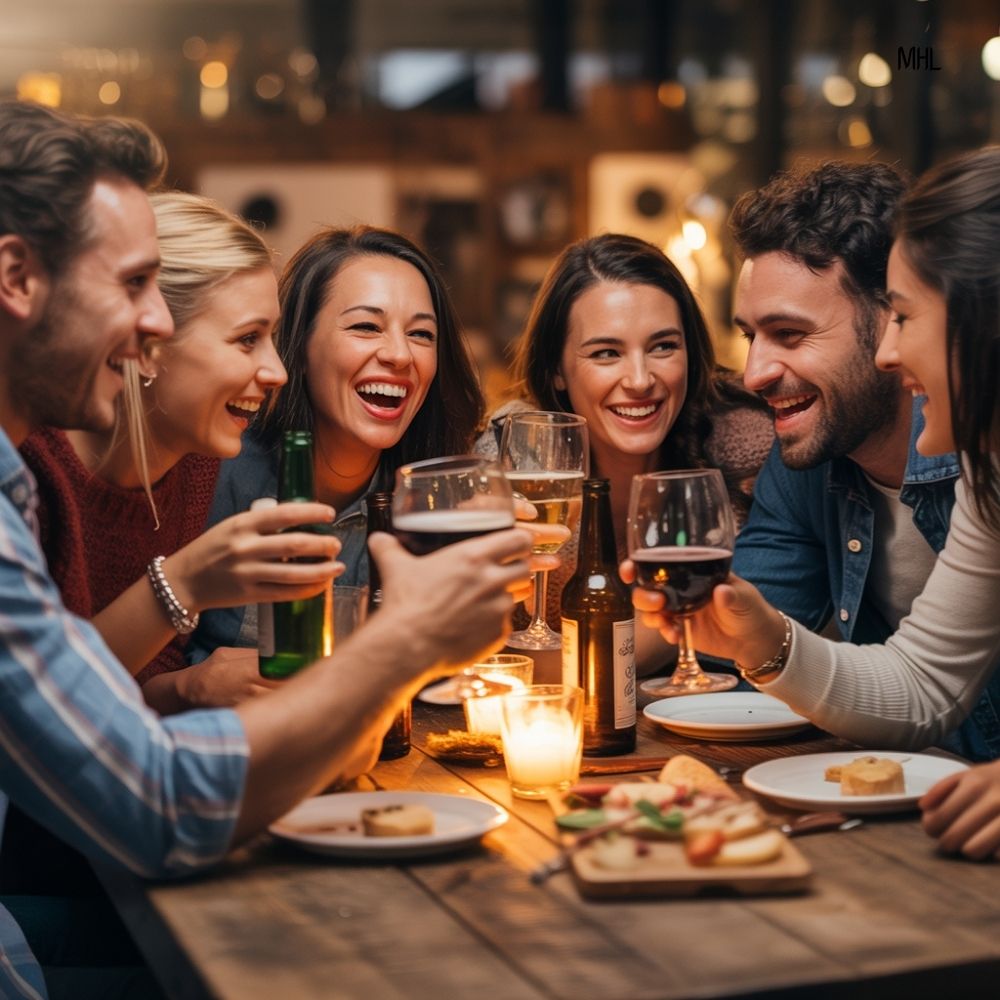
I failed at acting calm, because I immediately blurted, “Also, I forgot ice, like an actual professional,” and everyone laughed, and that laugh was the moment my whole body unclenched, because it reminded me that the night was already working.
Friends come for you, not the details, and the proof is that they were already happy in my doorway with their shoes half on.
The Message, Woven Through the Whole Night
Every time I noticed something imperfect, like the fact that my snack bowls didn’t match or someone couldn’t find a bottle opener for thirty seconds, my brain tried to take it personally, like the night’s success depended on my ability to curate an experience.
But the night didn’t depend on that. The night depended on connection. It depended on laughter.
It depended on the fact that we were together in the same room, telling stories, asking questions, and letting the world feel a little less heavy for a couple hours.
Friends come for you, not the details, and the details are not the same thing as care. Care is making people feel welcome. Care is offering what you have without embarrassment. Care is being present instead of managing your own anxiety.
I used to think being a good host meant being impressive, and I’m learning being a good host means being warm.
The Tiny Moment That Proved It
At one point, one of my friends said something like, “This is exactly what I needed,” and they weren’t talking about the drinks or the snacks, they were talking about being together.
The ice could have been missing, the cups could have been paper, the drinks could have been basic, and it still would have mattered, because the point was the night itself, not the setup.
That’s the kind of thing I want to remember the next time I start overthinking hosting, because I want my home to be a place where people feel safe, not a place where I feel like I’m constantly trying to prove I’m enough.
Friends come for you, not the details, and it’s okay to let that be true without arguing with it.
How the Night Ended, and Why I Felt Proud
When everyone left, my apartment looked like a happy tornado, which is honestly the best kind of mess.
There were cups on the table, snack crumbs, a half-empty bag of ice in the freezer like a tiny trophy, and that warm post-friendship glow that makes you feel like life is actually good even when your couch still has a laundry pile.
I did a quick cleanup, not because I had to, but because future me deserves a calmer morning, and then I went to bed feeling proud in a simple way.
Your Turn
What’s the one thing you always forget when you host, the thing you only remember the second someone arrives, because I want a full list, and I also want you to know this counts as normal life, not failure, because friends come for you, not the details.