I Found a Bag of Old Photos and Lost an Hour to One Memory
I found the bag of old photos because I was “quickly” looking for tape, which is how half my stories begin. I pulled open a closet bin, moved a few things around, and there it was, a crinkly plastic grocery bag stuffed with photos, waiting for me to have a random Tuesday where I could…
I found the bag of old photos because I was “quickly” looking for tape, which is how half my stories begin. I pulled open a closet bin, moved a few things around, and there it was, a crinkly plastic grocery bag stuffed with photos, waiting for me to have a random Tuesday where I could handle it.
I wasn’t planning to open it, and I had a to-do list, so I was trying to be productive. I told myself I would deal with it later. Then I untied the knot anyway, because curiosity is one of my strongest traits and also the reason I start projects at 8 p.m.
I sat there for what I thought would be one minute, and an hour disappeared. Your past still deserves tenderness, not because you need to live there, but because the person you used to be is still part of you.
The Bag That Felt Like a Time Capsule I Didn’t Ask For
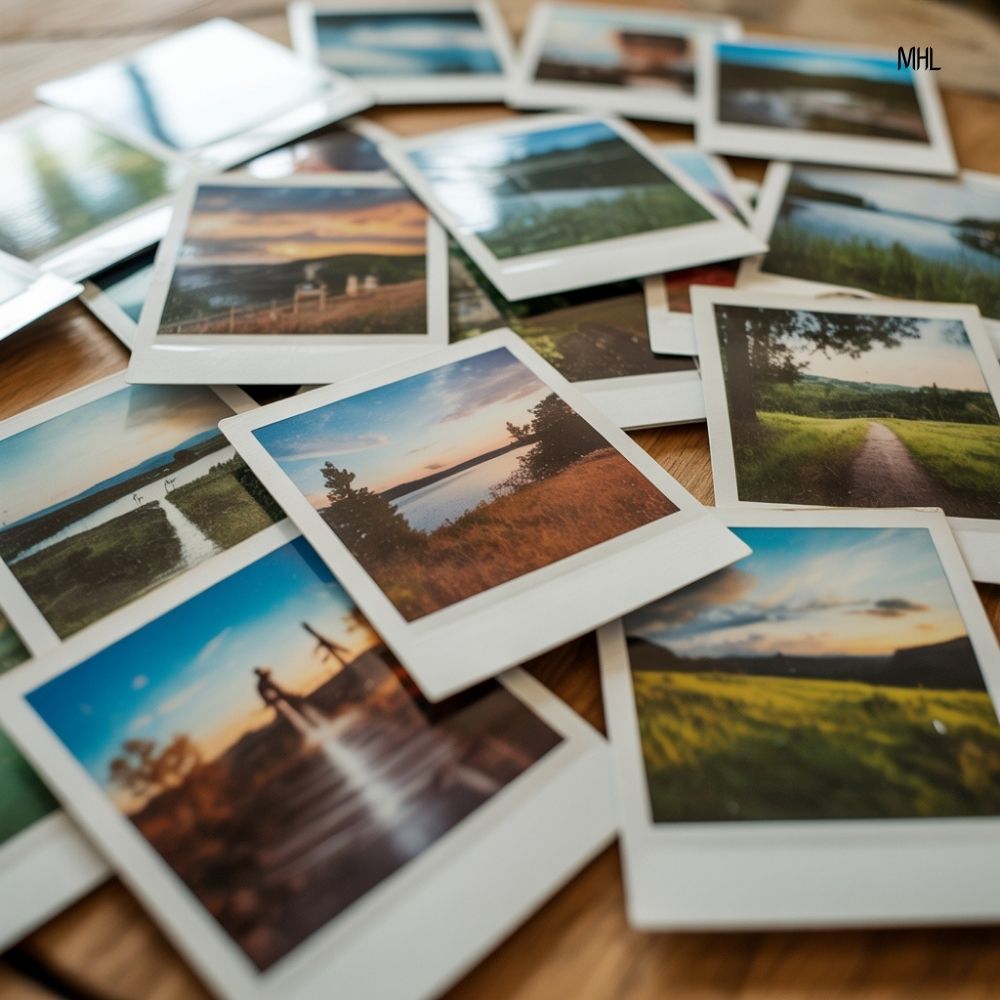
A photo is just paper, just a little rectangle, but it’s also a portal. Once you start flipping through them, your brain starts pulling out the full sensory memories, like what the air smelled like, what music you were listening to, and what you were worried about.
I always assume I’m going to feel nostalgic in a light way, like “Aw, cute,” and then I’m surprised when I feel something heavier, like grief for time, or tenderness for my younger self, or that strange ache you get when you realize you survived something you barely remember surviving.
The bag wasn’t neatly organized, of course. It was just a mess of photos, some loose, some in small stacks, some curled from heat or humidity, and even the disorganization felt like a metaphor for how memory lives in a person.

The One Photo That Made Me Lose an Hour
The photo that stopped me was a simple one. It was me, younger, standing somewhere ordinary, not posing like a model, not even smiling perfectly, just existing in a way that looked so honest it hurt.
I stared at it and felt this strange tenderness rise up because I remembered who I was around that time, and I remembered how hard I was trying. That was the part that got me.
I could see the effort in her posture, in the way she held herself, in the expression that looked like she wanted to be brave, and I realized how often I talk about my past self like she was annoying or naive or dramatic, even though she was just doing her best with the tools she had.
I used to treat my past like a problem to outgrow, when really my past is a story I’m allowed to hold gently.
The Memory That Came With It, Clearer Than I Expected
That one photo pulled me into a memory that I haven’t thought about in a long time, which was a day when I felt small and uncertain, and I was trying to pretend I wasn’t.
I remembered the way I measured my worth by other people’s reactions, and the way I wanted to be the version of myself who looked confident even when I didn’t feel it.
I remembered thinking, “If I can just get it together, then I’ll be okay,” which is such a classic younger-me thought, because younger me believed okay-ness was something you earn by performing it correctly.
I also remembered how lonely that feeling was, because you can be surrounded by people and still feel like you’re the only one struggling with being a person.
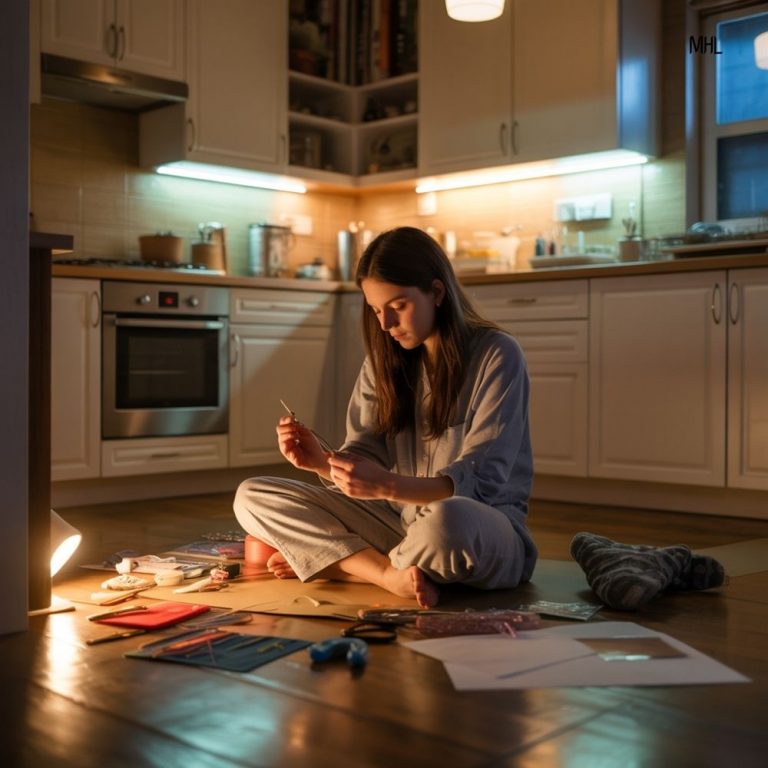
Sitting on my floor, holding that photo, I could see how much compassion that younger version of me deserved, and I could also see how little compassion I gave her at the time. I didn’t know how to be tender with myself then, because I was too busy trying to be tougher.
The Tenderness Practice I Did Right There on the Floor
I put the photo down for a second, placed my hand on my own knee like I was comforting a friend, and I said out loud, quietly, “You did not deserve how hard you were on yourself.”
I know that sounds dramatic, but it wasn’t dramatic in the moment; it was simple, like stating a fact. The tenderness was a small shift, because it changed the whole way I moved through the rest of the photos.
Instead of scanning for proof that I used to be embarrassing, I started scanning for proof that I used to be alive, and trying, and learning. I started noticing the way I showed up for people, the way I kept going through normal, messy days, the way I smiled in moments.
This is where the message kept weaving itself through everything: your past still deserves tenderness, because tenderness is how you integrate your story instead of fighting it.
The Small Thing I Did After, So the Moment Didn’t Just Disappear
After an hour of sitting on the floor, I didn’t want to toss the photos back into the bag like nothing happened, because the moment felt meaningful, and I wanted to honor it in a way that was simple, not ceremonial.
So I picked ten photos that made me feel warm, not just nostalgic, and I put them in a small envelope. I didn’t decide what the envelope meant yet, and I didn’t force a big plan, because I’m learning that gentle things don’t need to be optimized.
I also set the one photo aside, the one that had stopped me, and I kept it on my desk for the day, face down at first, because I wanted to let my nervous system settle, then face up later, because I wanted to practice looking at her without flinching.
That’s what tenderness looks like in real life sometimes. It’s not a big healing moment, it’s a small willingness.
The Message, Woven Through the Whole Story
Your past still deserves tenderness. Not because everything that happened was good, and not because you should pretend you didn’t struggle, but because you were a person then, just like you’re a person now.
You were learning, adapting, surviving, trying to be loved, trying to feel safe, trying to become yourself, and that effort deserves respect, even if the results weren’t perfect.
If you speak to your past self with cruelty, you teach your present self that love is conditional, and I don’t want to live that way anymore. I want to be the kind of person who can look back and offer gentleness, because gentleness is what makes the whole story feel livable.
I used to think tenderness was weakness, when tenderness is actually one of the most practical forms of strength.
If you found a bag of old photos today, which version of you do you think would show up first, the one who laughs fondly or the one who cringes, because I’ve been both, and I’m curious what it’s like for you, and what memory you think would pull you in for an hour without warning.