How to Stock Your Kitchen for Easy Meals (A Simple Beginner System That Works)
A lot of kitchens are full of food, yet cooking still feels difficult. You open the fridge, look around for a few minutes, and somehow nothing turns into a clear meal. It’s not that there’s nothing to eat. It’s that nothing connects. This usually has nothing to do with cooking skills. It comes from how…
A lot of kitchens are full of food, yet cooking still feels difficult. You open the fridge, look around for a few minutes, and somehow nothing turns into a clear meal. It’s not that there’s nothing to eat. It’s that nothing connects.
This usually has nothing to do with cooking skills. It comes from how the kitchen is stocked. When ingredients don’t work together, even simple meals feel complicated.
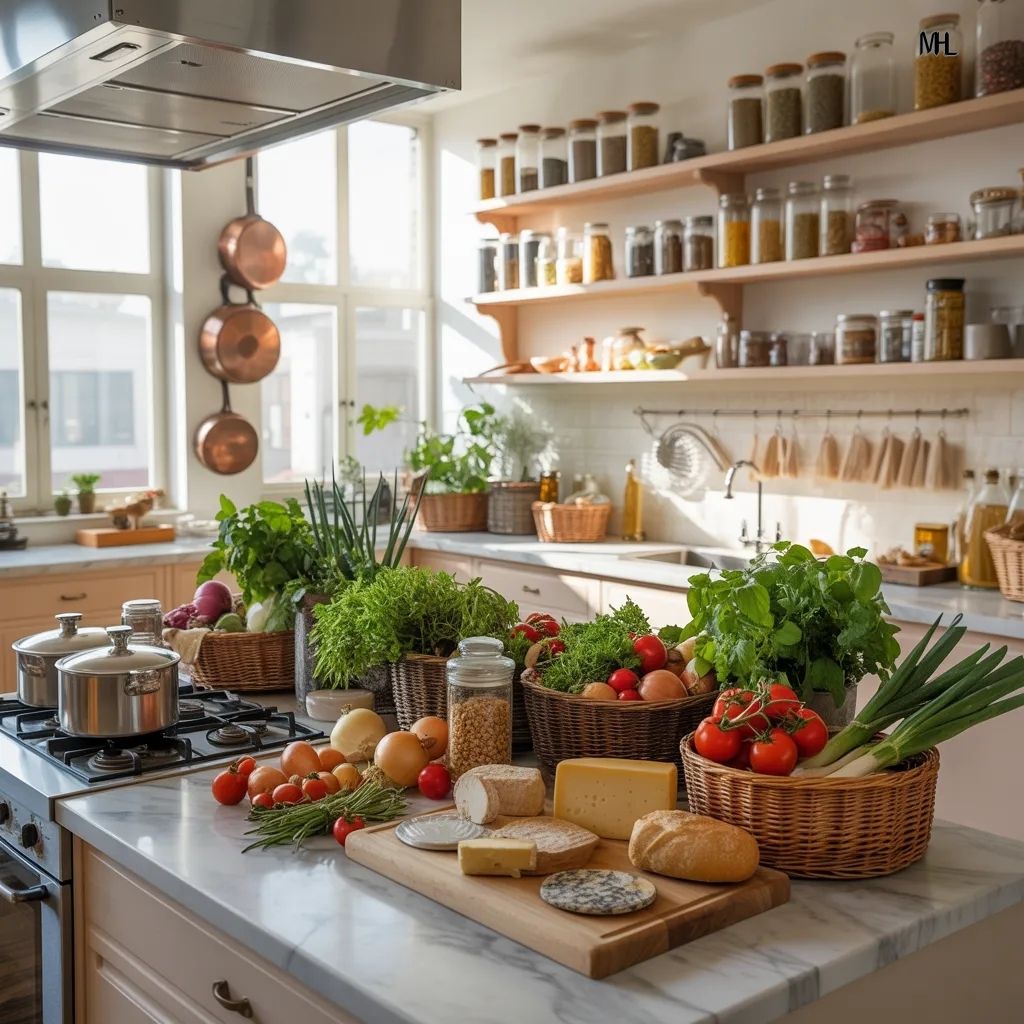
A well-stocked kitchen is not about having more food. It’s about having the right food. When your kitchen is set up properly, meals become easier, faster, and require much less thinking.
The Quick Way to Stock Your Kitchen
A practical kitchen doesn’t need dozens of ingredients. It only needs a few that work well together. The simplest way to structure your kitchen is to focus on four parts:
- protein
- base
- vegetables
- flavor
When these four elements are always available, you can build meals without needing a recipe. The goal is not to have more. It’s to have what actually works.
What “A Well-Stocked Kitchen” Actually Means
A well-stocked kitchen is often misunderstood.
It doesn’t mean having a full fridge or a wide variety of ingredients. It doesn’t require expensive or complicated items either.
A well-stocked kitchen simply means two things:
- you can make a meal quickly without planning
- your ingredients can be combined in different ways
When your kitchen supports flexibility instead of variety, cooking becomes much easier to manage.
The 5 Essential Categories Every Kitchen Needs
1. Proteins You Can Use Anytime
Protein is what makes a meal feel complete. Without it, food often feels like a snack rather than something satisfying.
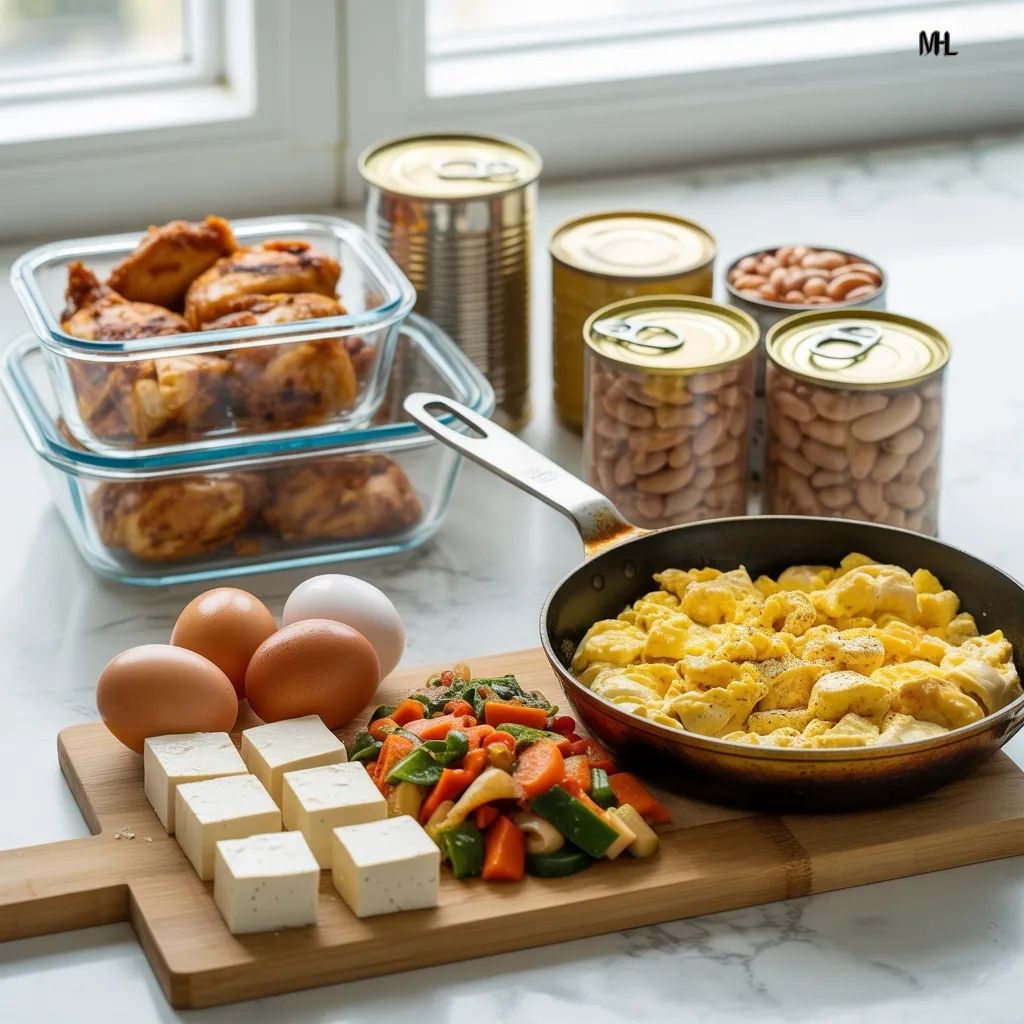
Eggs are one of the most useful options because they cook quickly and work in almost any situation. They can be used for breakfast, added to rice, or mixed into noodles.
Chicken or another simple protein works well when cooked in batches and reused across meals. Canned options like tuna or beans are especially helpful when you don’t feel like cooking at all.
Tofu is another flexible choice that cooks quickly and absorbs flavor easily.
A good starting point is to keep two or three protein sources available at all times. This creates enough variety without making your kitchen harder to manage.
2. Base Ingredients That Make Meals Filling
Base ingredients are what turn simple components into actual meals.
Rice is one of the most flexible options because it pairs with almost everything and can be stored easily. Pasta works well for quick meals that don’t require much preparation. Noodles are useful for fast stir-fry dishes, while bread provides a no-cook option for simple meals.
You don’t need all of these. Choosing two or three that you enjoy is enough to support most meals.
Without a base, it’s difficult to turn ingredients into something filling. With one, even the simplest combination becomes a complete dish.
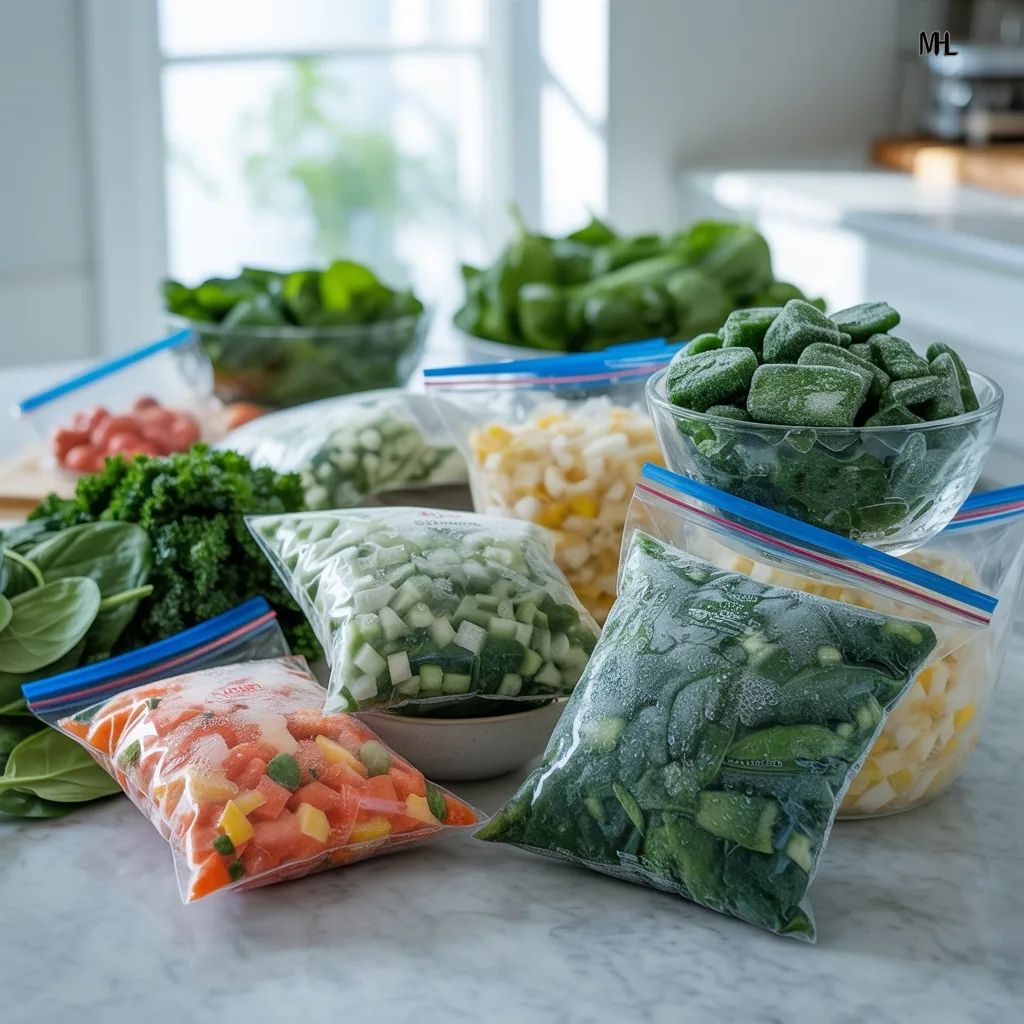
3. Vegetables That Are Easy to Use
Vegetables often become the most complicated part of cooking, especially when they require preparation or spoil quickly.
The easiest solution is to focus on vegetables that are practical. Frozen vegetables are one of the best options because they last longer and can be used anytime without preparation.
Spinach or other leafy greens are easy to add to meals without much effort. Onions are useful for adding flavor to almost anything.
It also helps to avoid vegetables that require too much work or planning. If something feels difficult to prepare, it’s less likely to be used. Keeping this category simple makes cooking faster and more consistent.
4. Simple Flavor Builders
Flavor is what turns basic ingredients into meals you actually want to eat.
Cooking oil is essential for almost every dish. Soy sauce or a simple seasoning adds quick depth without needing a recipe.
Salt helps balance everything, while garlic can instantly improve flavor with very little effort.
These ingredients may seem small, but they are what make meals feel complete. Without flavor, even good ingredients feel unfinished. With it, simple combinations become satisfying.
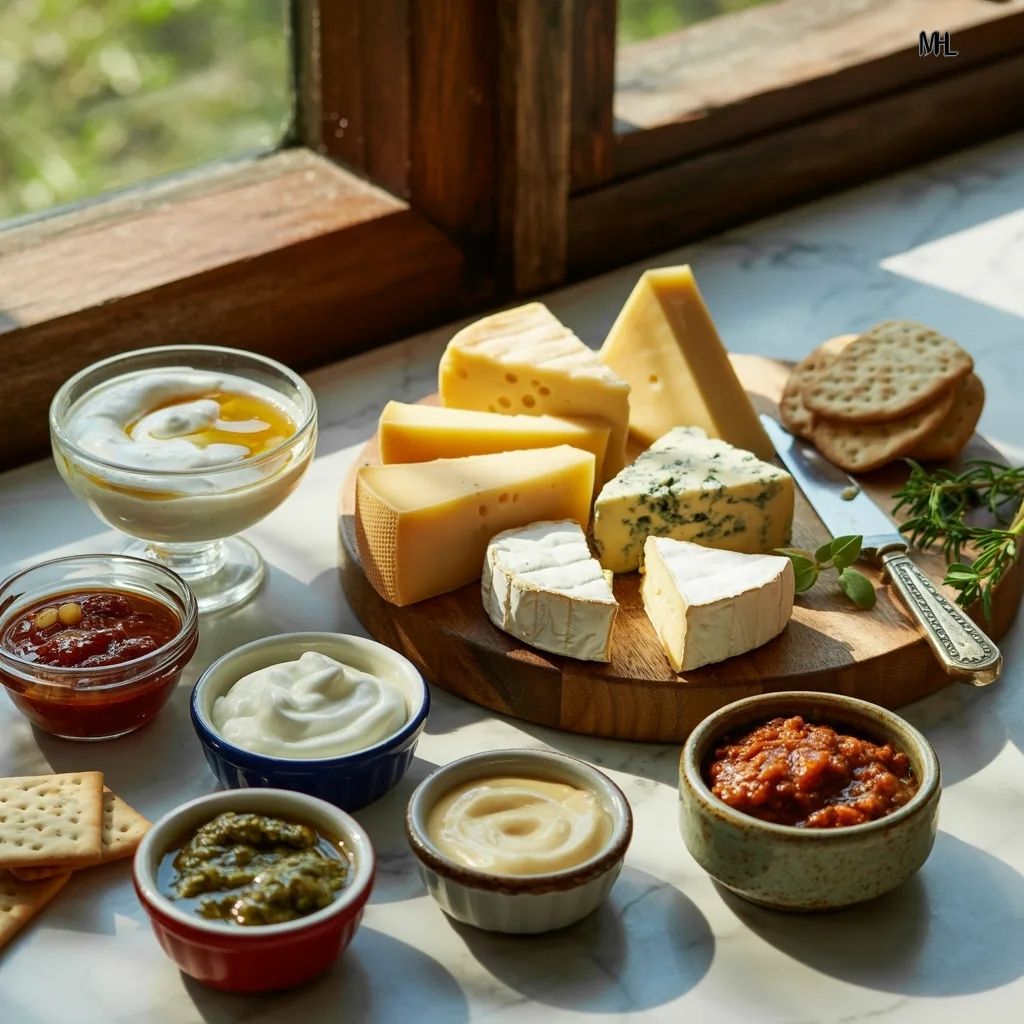
5. Optional Add-Ons That Make Meals Better
Optional ingredients are not necessary, but they can improve meals without adding complexity.
Cheese can add richness to simple dishes. Yogurt works well for quick meals or light options. Sauces can completely change how the same ingredients taste.
The key is to keep this category small. A few well-chosen add-ons are enough to create variety without making decisions harder.
How These Ingredients Turn Into Real Meals
What makes this system effective is how easily everything comes together in real life.
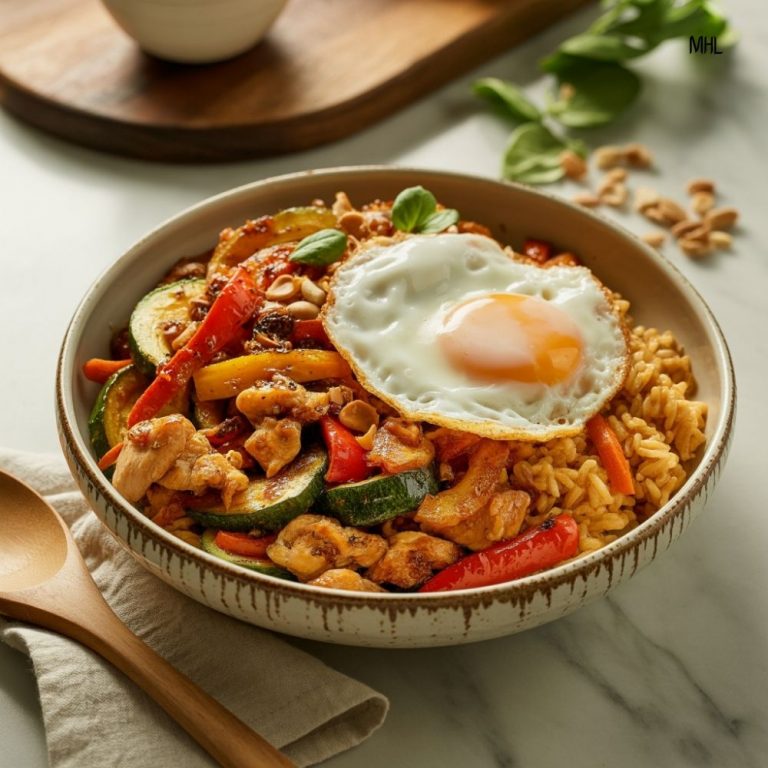
Eggs and bread can quickly become a simple meal when nothing else feels doable. The same eggs can be added to rice with a bit of sauce to create something more filling.
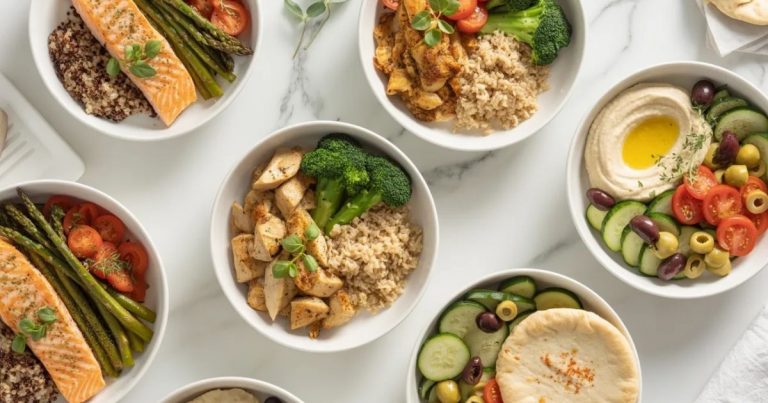
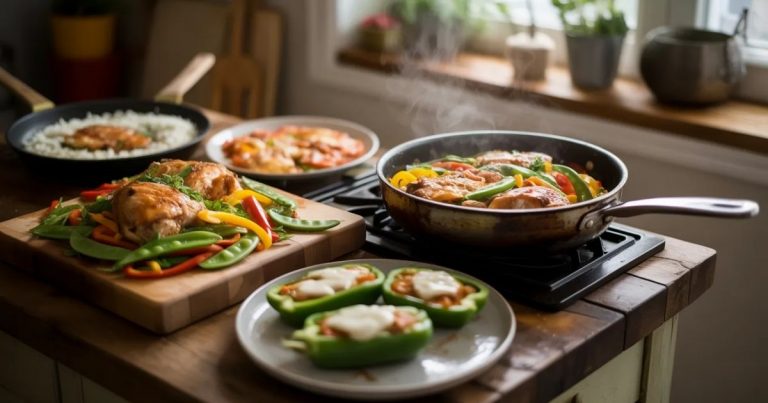
Chicken can be combined with vegetables in a pan for a quick stir-fry, or placed into a bowl with rice for a different kind of meal.
Noodles mixed with vegetables and a simple seasoning can come together in minutes without much thought. Even small amounts of leftover ingredients can be combined with a base and flavor to create something complete.
The key is not to think in terms of recipes. It’s to think in terms of combinations that are easy to build.
A Beginner-Friendly Kitchen Setup (Exact Starter List)
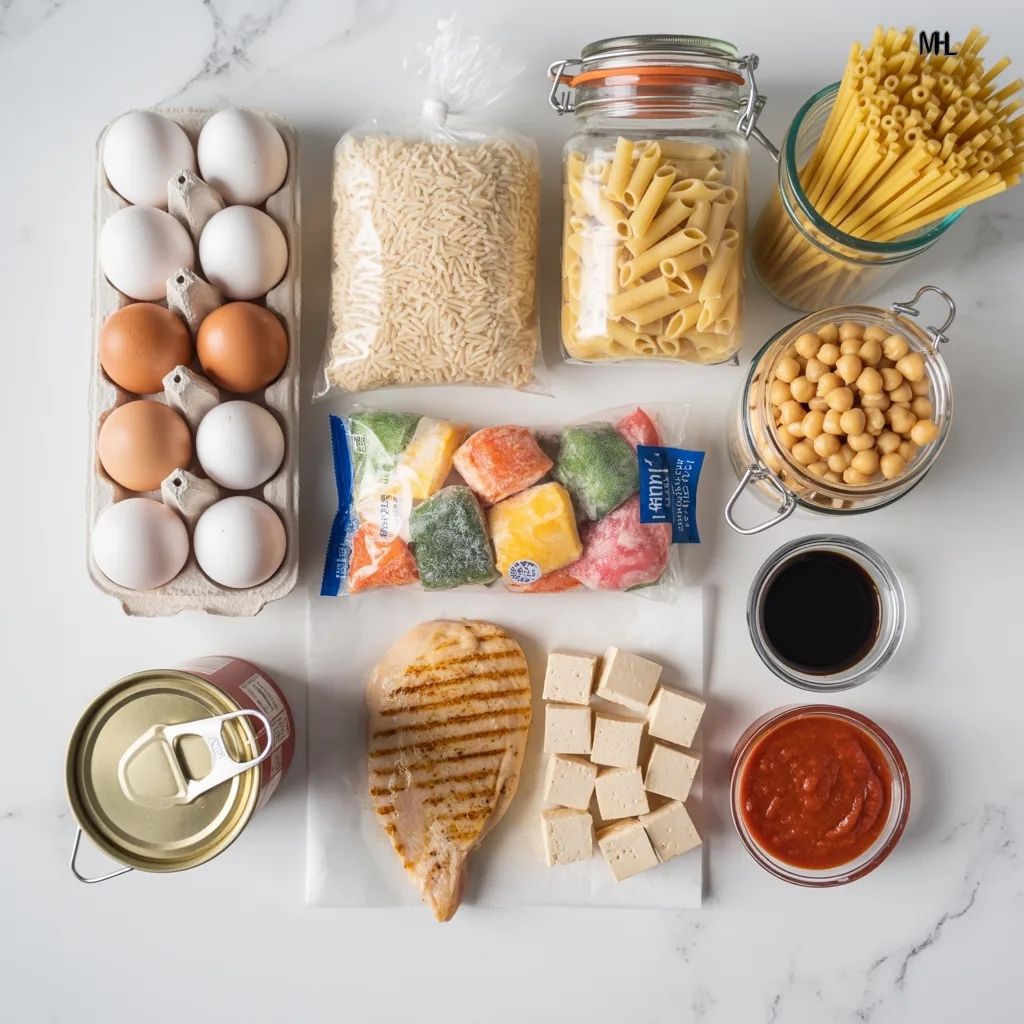
For someone starting from scratch, the kitchen doesn’t need to be complicated. A simple setup like this is enough to support easy meals throughout the week:
- eggs
- rice
- pasta
- frozen vegetables
- one protein (chicken, tofu, or canned option)
- two simple sauces
This small group of ingredients can already create multiple meals without needing additional planning. Starting small makes it easier to stay consistent.
How to Stock Your Kitchen Without Overbuying
Buying too much is one of the most common mistakes. It often feels productive in the moment, but it creates more decisions later. Ingredients go unused, and cooking becomes harder instead of easier.
A better approach is to buy based on how often you will use something. If an ingredient doesn’t fit into your regular meals, it’s less useful, no matter how good it looks.
Keeping your kitchen simple reduces waste and makes everything easier to manage.
How to Shop Smart for This System
Shopping becomes easier when you stop thinking in terms of recipes.
Instead of buying ingredients for specific meals, it helps to buy by category. Choose one or two proteins, a couple of base ingredients, and vegetables that are easy to use.
This approach creates flexibility. It allows you to cook based on how you feel instead of following a fixed plan. It also reduces the time spent deciding what to buy.
Common Mistakes Beginners Make
One of the biggest mistakes is buying too many ingredients at once. This creates more options but also more complexity.
Another issue is choosing foods that are difficult to prepare. Even if they seem like a good idea, they are often left unused.
Skipping base ingredients makes it harder to build meals, even when other ingredients are available. Not having simple sauces or seasonings can also make meals feel incomplete.
How to Maintain a Well-Stocked Kitchen
A good system only works if it’s maintained. Refilling basic ingredients regularly helps keep everything running smoothly. Keeping the list simple makes it easier to remember what you need.
Rotating ingredients instead of constantly adding new ones prevents clutter and waste. Consistency matters more than variety.
When a Simple Kitchen Is Better Than a “Full” Kitchen
More food does not always make cooking easier. A kitchen with too many ingredients often creates confusion. A simpler kitchen makes it easier to see what you have and how to use it.
Less variety leads to fewer decisions, and fewer decisions make cooking feel more manageable. A simple setup is often more effective than a fully stocked one.
FAQs
What should a beginner always have in the kitchen?
Basic ingredients like eggs, rice, pasta, simple vegetables, and a few seasonings are enough to start.
How do I stock a kitchen on a budget?
Focusing on versatile and reusable ingredients helps reduce cost and waste.
How many ingredients do I really need?
A small number of flexible ingredients is usually enough for most meals.
What is the easiest food to keep at home?
Shelf-stable and frozen foods are among the easiest to manage.
Related Articles
- Simple Grocery List for Easy Meals All Week
- What to Eat When You Don’t Feel Like Cooking
- 10 Simple Meals You Can Make in 15 Minutes
Final Thought
A well-stocked kitchen doesn’t need to be complicated. It only needs to support the way you actually cook.
When your ingredients are simple, flexible, and easy to combine, meals stop feeling like a task. They become something you can put together without thinking too much.