A Simple Grocery List That Actually Works for Easy Meals All Week
Grocery shopping often feels like it should make life easier, but it can quickly turn into one of the most overwhelming parts of the week. Standing in front of shelves, trying to plan meals in advance, often leads to buying too much, buying the wrong things, or ending up with ingredients that don’t actually work…
Grocery shopping often feels like it should make life easier, but it can quickly turn into one of the most overwhelming parts of the week. Standing in front of shelves, trying to plan meals in advance, often leads to buying too much, buying the wrong things, or ending up with ingredients that don’t actually work together.
By the time the week starts, the fridge may be full, but cooking still feels difficult. Not because there isn’t enough food, but because nothing connects into something simple and usable.
A better approach is not to plan more, but to simplify. A grocery list built around flexible ingredients instead of strict recipes can make meals easier, faster, and far less stressful. When the list works, everything else becomes easier.
The Quick Way to Build a Grocery List That Actually Works
A practical grocery list doesn’t try to cover every possible meal. Instead, it focuses on a small set of ingredients that can be combined in different ways depending on your energy and time.
The easiest way to structure your list is to think in four simple parts:
- a few reliable proteins
- one or two base ingredients
- vegetables that are easy to use
- simple pantry items for flavor
When these pieces are in place, meals don’t need to be planned in detail. They can be built quickly from what’s already available.
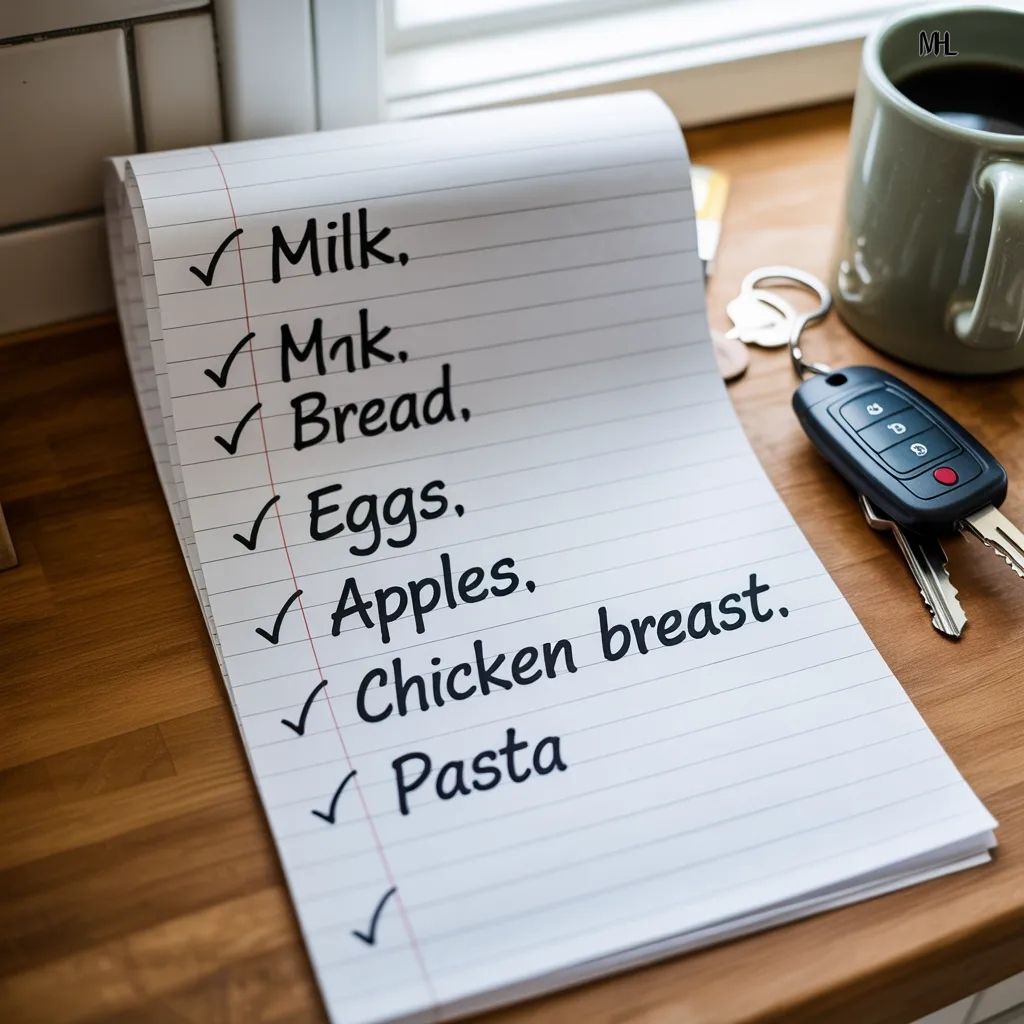
Why Most Grocery Lists Make Cooking Harder
Many grocery lists are built around ideal situations rather than real ones.
Buying ingredients for multiple recipes may seem productive, but it often creates more work later. Each recipe requires time, preparation, and energy, which isn’t always realistic during a busy week.
Another common issue is variety. While having many options feels helpful at the store, it increases decision-making when it’s time to cook. Too many choices can make even simple meals feel complicated.
A simpler list reduces friction. When the same ingredients can be reused in different ways, cooking becomes easier and more consistent.
A Simple Grocery List That Covers Most Meals
Instead of creating a long list that tries to do everything, this system focuses on a small group of ingredients that work together in multiple combinations. The goal is not variety for its own sake, but flexibility that supports real-life cooking.
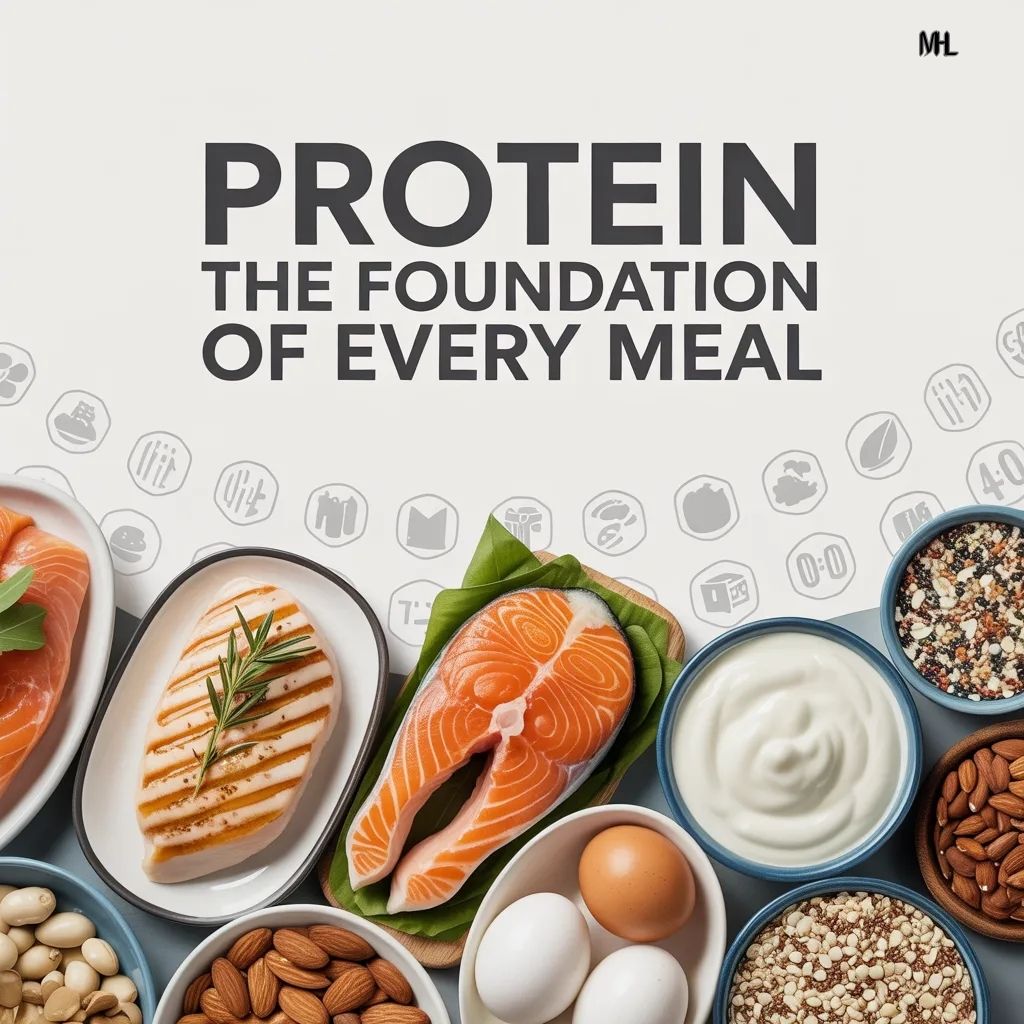
Protein: The Foundation of Every Meal
Protein is what makes a meal feel complete. Without it, food often feels like a snack rather than something satisfying.
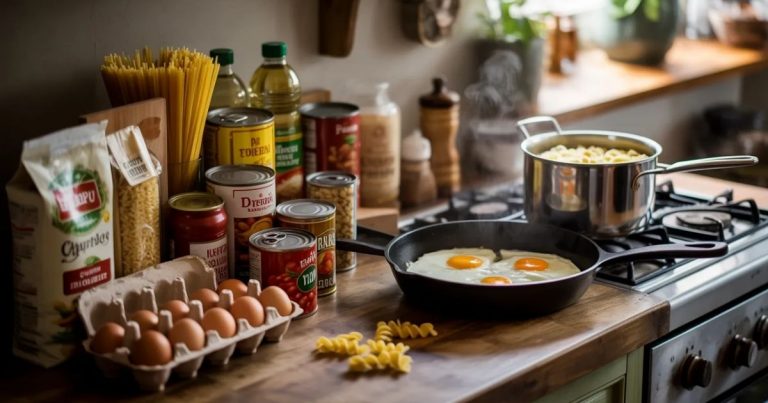
Eggs are one of the most reliable options because they cook quickly and can be used in many different ways. Chicken is another practical choice, especially when cooked in advance and used across several meals. Canned tuna or beans are useful when you don’t want to cook at all, while tofu works well for quick pan-based meals.
Keeping two or three protein options is usually enough. This creates variety without adding complexity, and it ensures that every meal has something filling.
Base Ingredients: What Turns Ingredients Into Meals
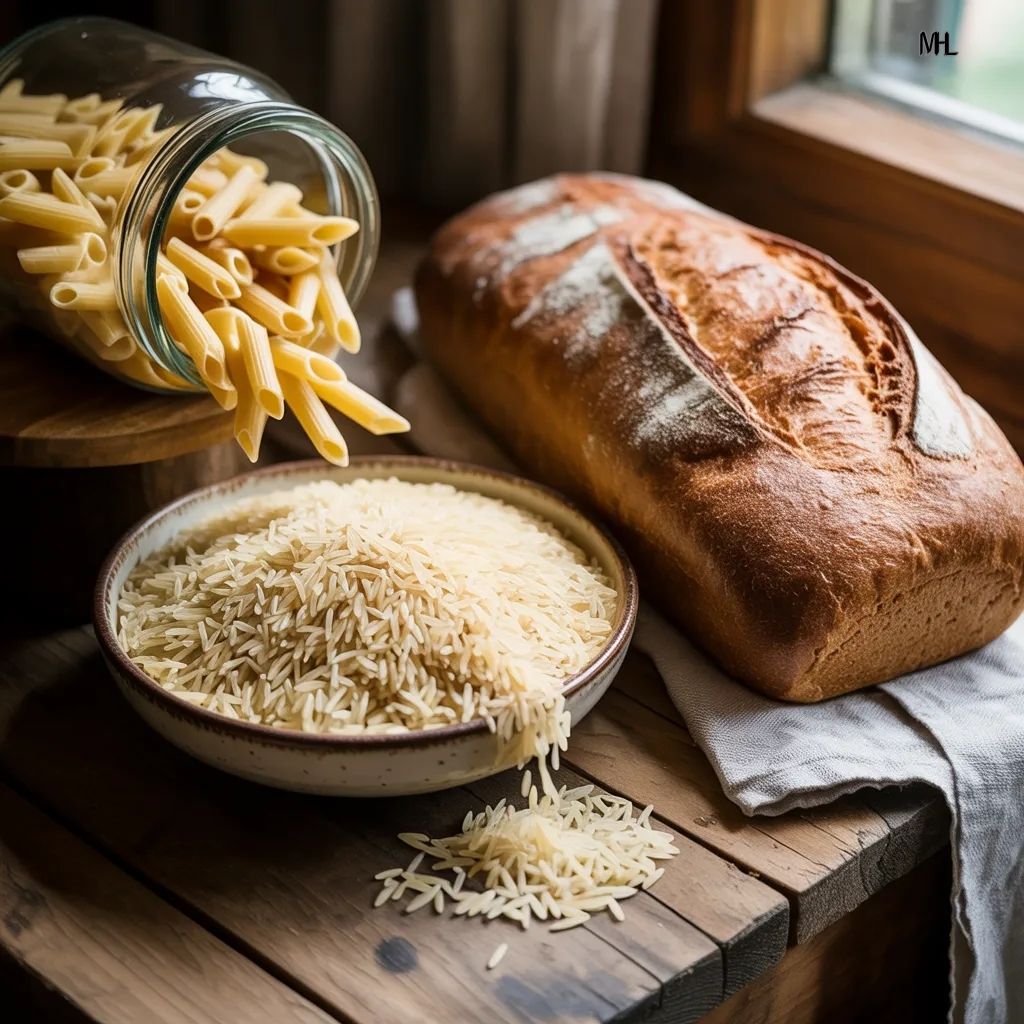
Base ingredients give structure to meals. They are what allow simple components to become something more substantial.
Rice is one of the most versatile options because it pairs well with almost anything and stores easily. Pasta is ideal for quick meals that don’t require much preparation. Bread works for meals that need no cooking, while noodles are useful for fast stir-fry dishes.
Choosing two or three base ingredients that you actually enjoy makes it much easier to build meals without thinking too much.
Vegetables: Keep Them Practical, Not Perfect
Vegetables are important, but they don’t need to be complicated.
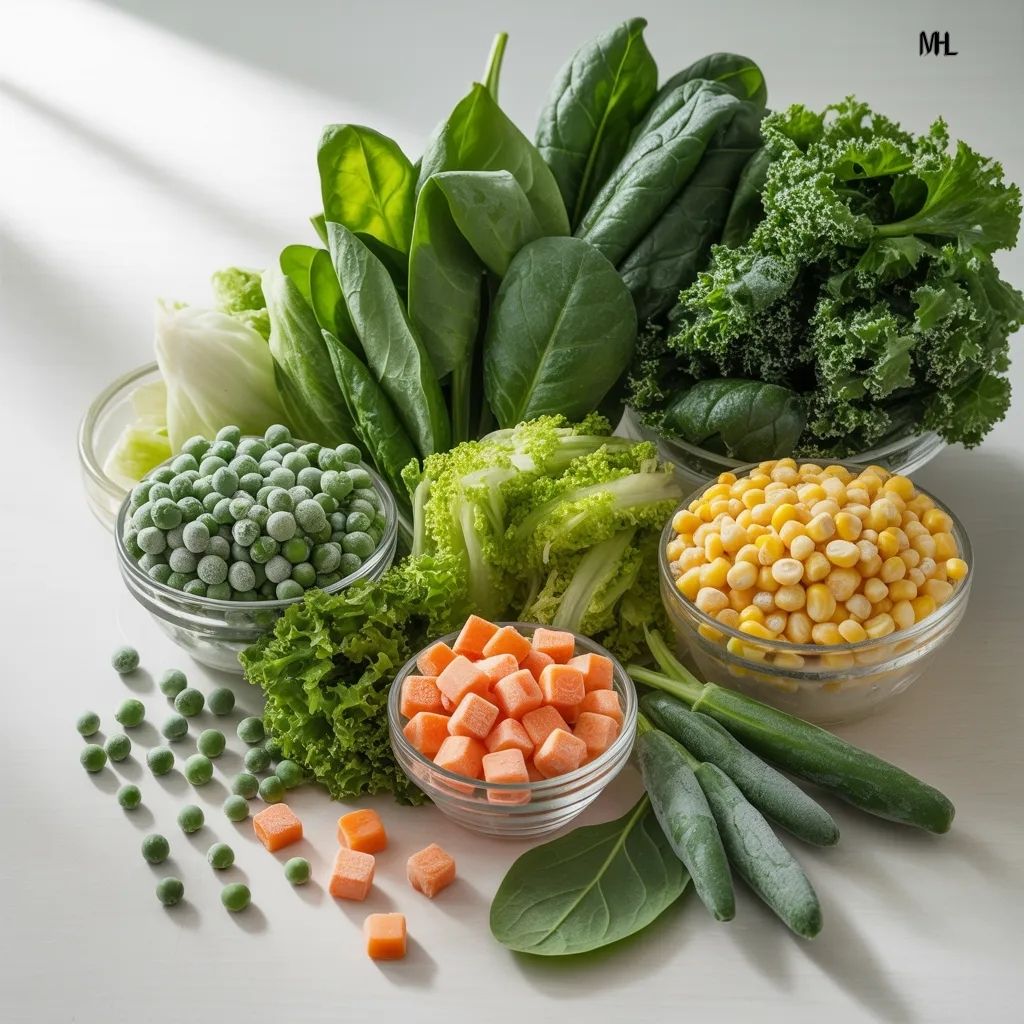
Frozen vegetables are one of the most practical choices because they last longer and are always ready to use. Leafy greens like spinach can be added to many meals with minimal effort, while onions or simple aromatics help build flavor quickly.
The goal is not to create variety, but to choose vegetables that are easy to use and don’t require extra planning.
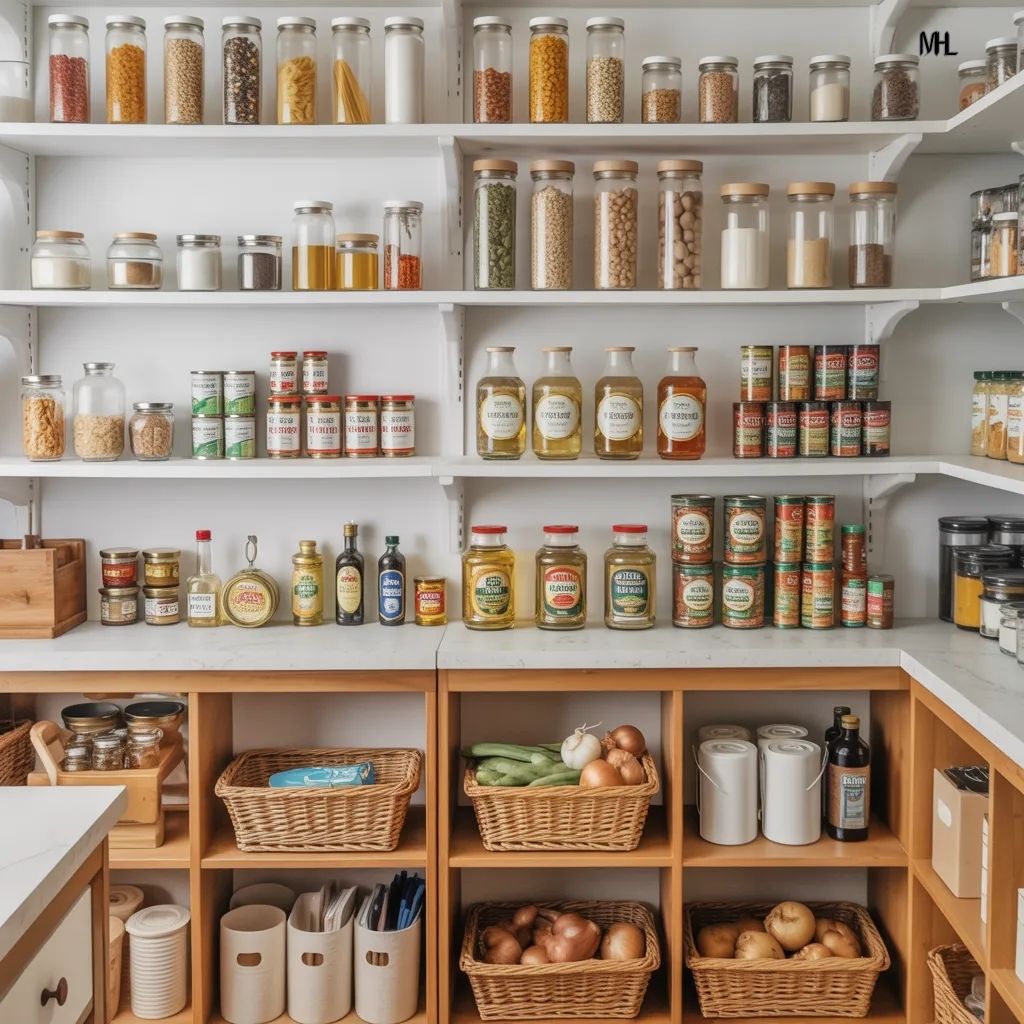
Pantry Essentials: Small Things That Make a Big Difference
Pantry items are what bring everything together and turn basic ingredients into meals.
Cooking oil is essential for almost every dish, while soy sauce or a simple seasoning can quickly add flavor. Salt and a few basic spices help adjust taste without requiring recipes.
These items may seem minor, but they are what make simple meals feel complete and satisfying.
Optional Add-Ons: How to Add Variety Without Complexity
Optional items help create variation without making your grocery list harder to manage.
Cheese can add richness to meals, yogurt can be used for quick options, and sauces can completely change the flavor of the same ingredients.
Keeping this category small allows you to improve meals without increasing decision fatigue.
How These Ingredients Turn Into Real Meals
What makes this system effective is how easily everything combines.
Eggs can be paired with toast for a quick meal or added to rice for something more filling. Chicken can be used in a bowl, mixed into noodles, or combined with vegetables in a stir-fry. Pasta can be made with simple sauces or leftovers, while frozen vegetables can be added to almost anything.
Instead of thinking in terms of recipes, it helps to think in patterns:
- base + protein + flavor
- mix + heat + serve
This removes the need to plan every meal in advance and allows you to adjust based on how you feel each day.
Real Meal Combinations You Can Make From This List
A simple grocery list becomes much more useful when it translates into real meals you can make without thinking too much.
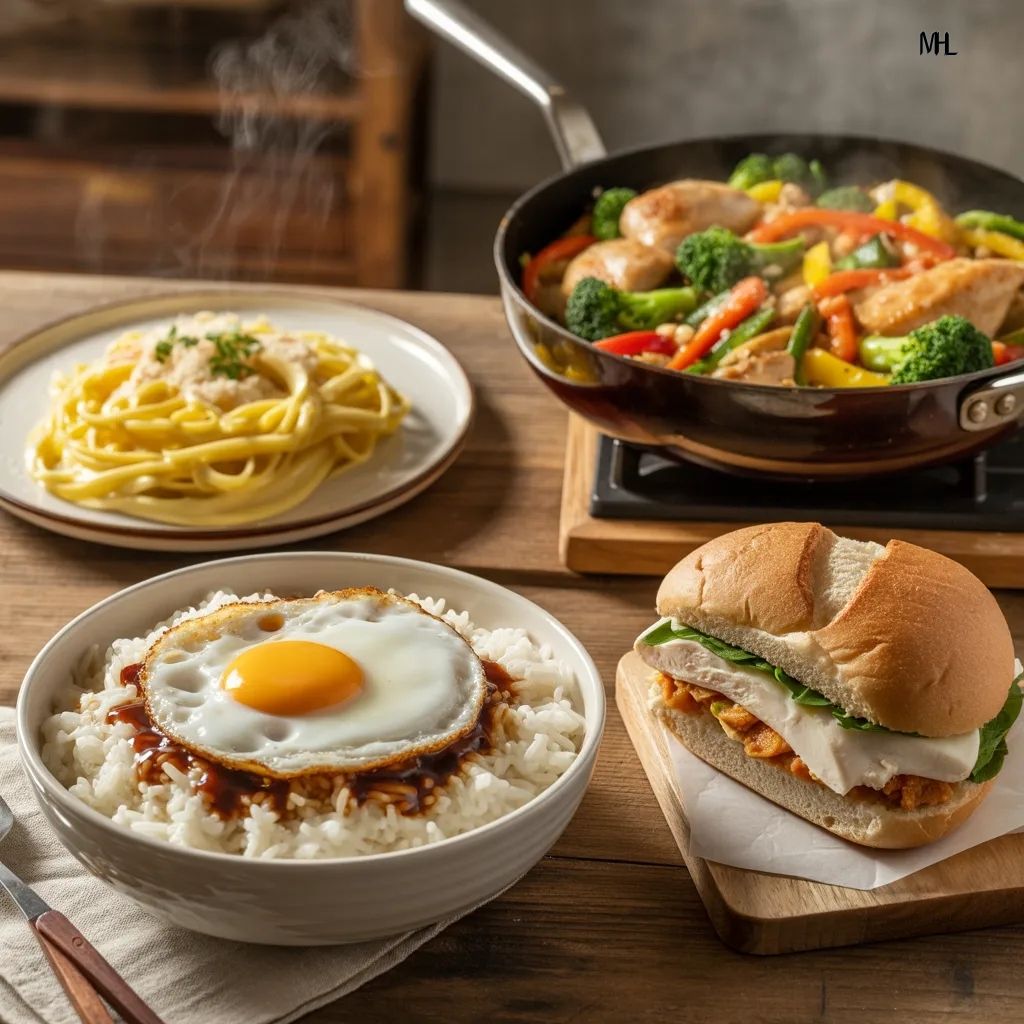
A bowl of rice topped with a fried egg and a bit of soy sauce can be prepared in minutes and still feel filling. Pasta mixed with butter, garlic, and a small amount of cheese becomes a quick comfort meal without requiring extra ingredients.
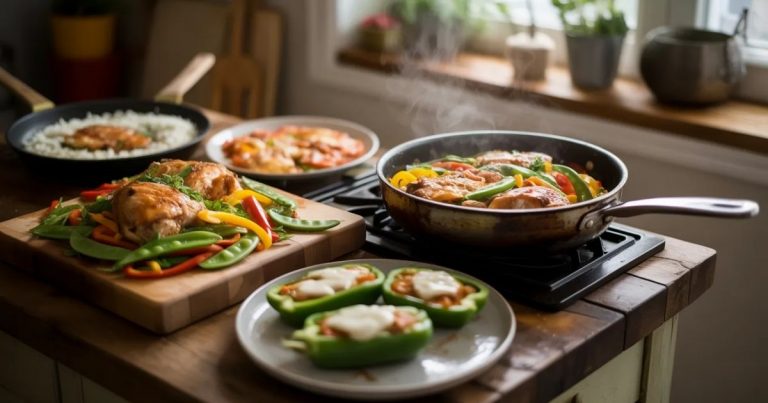
Chicken combined with vegetables in a pan can turn into a simple stir-fry, while the same chicken can also be placed in a sandwich for a completely different meal.
Even basic ingredients like bread and eggs can be used in multiple ways, depending on how much time and energy you have.
These combinations show that meals don’t need to be planned in detail. They just need to be easy to build.
A Simple Weekly System That Removes Overthinking
Choosing three to five meals that you already know how to make and keeping the ingredients for those meals available reduces daily decisions. Repeating meals during the week is not a problem. It helps create consistency.
Adjusting meals based on how you feel each day allows flexibility without requiring planning. This approach makes cooking feel manageable instead of overwhelming.
Practical Tips That Make This System Work
- Keep your grocery list short and repeatable
- Choose ingredients that can be used in multiple meals
- Use frozen options to reduce waste
- Avoid ingredients that require too much preparation
- Stick to meals you already know
These small adjustments make a big difference over time.
Common Mistakes That Make Grocery Lists Less Useful
Buying too many ingredients is one of the most common problems. It creates more options but also more complexity.
Choosing items that only work for one recipe limits flexibility and often leads to waste.
Ignoring basic ingredients makes it harder to build meals, even when food is available.
Keeping things simple helps avoid these issues.
When It’s Okay to Keep Things Very Basic
Not every week needs variety or creativity. There are times when repeating the same meals or using the same ingredients is the easiest option. Simple routines reduce stress and make daily life more manageable.
A basic grocery list is not a limitation. It’s a system that supports consistency.
FAQs
What should always be on a simple grocery list?
Basic items like eggs, rice, pasta, and simple vegetables are enough for most meals.
How do I stop overthinking grocery shopping?
Using a repeatable list and focusing on flexible ingredients reduces decisions.
Can I eat the same meals every week?
Yes, repeating meals often makes cooking easier and more consistent.
What are the easiest foods to keep at home?
Shelf-stable and flexible ingredients like canned goods and frozen vegetables are the easiest to manage.
Related Articles
- What to Cook When You Have Nothing at Home
- 10 Simple Meals You Can Make in 15 Minutes
- How to Use Leftovers to Make New Meals
Final Thought
A good grocery list doesn’t need to be long or complicated. It only needs to support the way you actually cook.
When ingredients are simple, flexible, and easy to combine, meals stop feeling like a task and start becoming something manageable.