How to Use Leftovers to Make New Meals Without Repeating Food
Leftovers are supposed to make life easier, but they often end up doing the opposite. Opening the fridge and seeing the same meal from yesterday rarely feels exciting, even if the food itself is still good. Reheating the same dish again can quickly feel repetitive, which is why leftovers often get ignored or wasted. The…
Leftovers are supposed to make life easier, but they often end up doing the opposite. Opening the fridge and seeing the same meal from yesterday rarely feels exciting, even if the food itself is still good. Reheating the same dish again can quickly feel repetitive, which is why leftovers often get ignored or wasted.
The problem isn’t the food. It’s the way it’s used. Most leftovers feel boring because they are eaten in the exact same form. The flavor, texture, and structure stay the same, so the experience doesn’t change.
Once that pattern shifts, leftovers stop feeling like repeats and start becoming ingredients for something new.
Using leftovers effectively is not about cooking more. It’s about changing how you combine and present what you already have.
Quick Answer (What You Need to Know Fast)
Leftovers feel new again when they are transformed, not reheated.
The easiest way to do this is to:
- change the structure of the dish
- combine leftovers with a new base like rice or noodles
- add a simple sauce or seasoning
- focus on flexibility instead of exact recipes
A small change in how food is used can completely change how it feels.
Why Leftovers Feel Repetitive And How to Fix It
Most leftovers become repetitive because they are treated as finished meals instead of ingredients.
Eating the same roasted chicken, pasta, or vegetables in the exact same way doesn’t create a new experience. Even if the food is still good, the lack of variation makes it feel less appealing.
Another reason is that the structure of the meal stays unchanged. The same plate, same combination, and same texture make it feel like a repeat.
The simplest way to fix this is to stop thinking of leftovers as “the same meal again.” Instead, think of them as components that can be combined differently.
The key idea is simple: the same ingredients can create completely different meals depending on how they are used.
5 Simple Ways To Transform Leftovers
1. Turn It Into a Bowl Meal
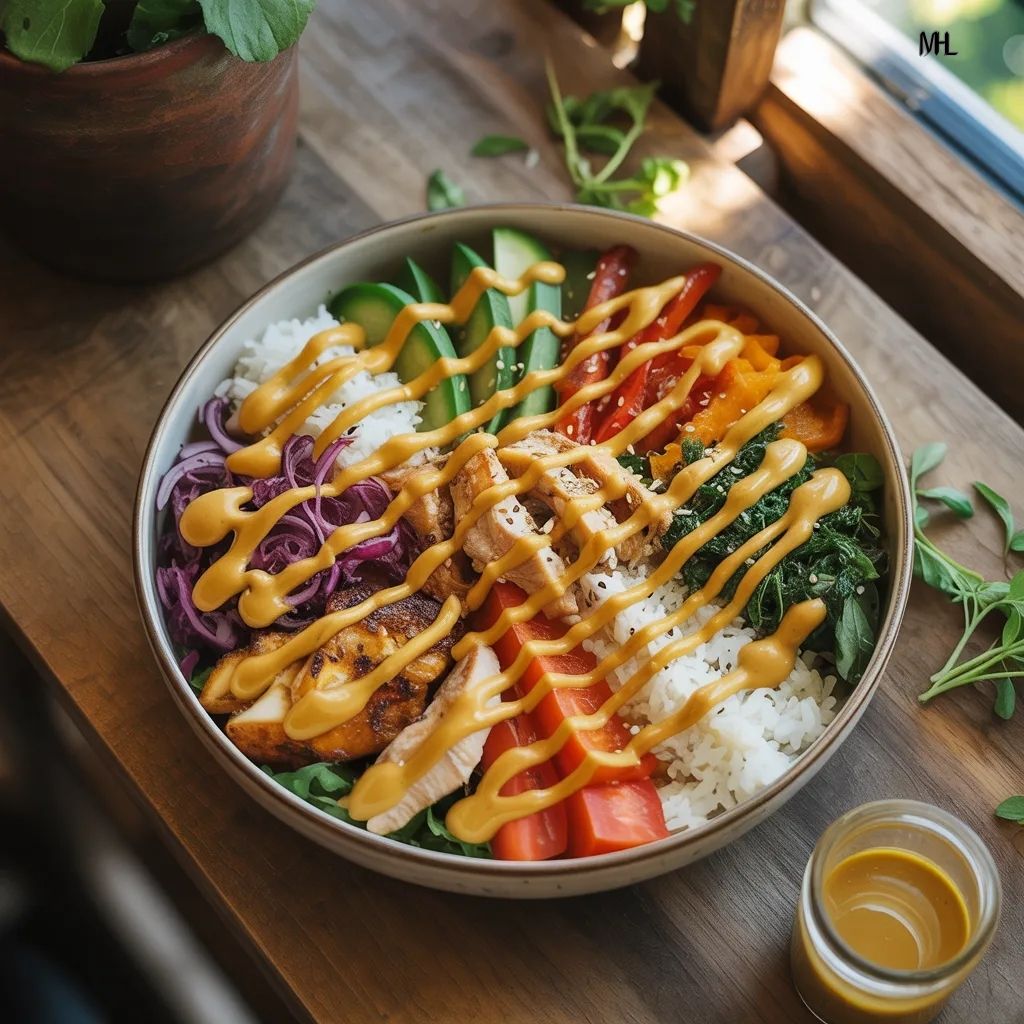
One of the easiest ways to reuse leftovers is to turn them into a bowl-based meal.
A simple base like rice, noodles, or even salad greens can completely change how the food feels. Adding a sauce or dressing creates a new flavor without requiring extra effort.
For example, leftover grilled chicken can be placed over rice with a simple sauce, turning it into a completely different meal than the original.
This method works well because it changes both the structure and the eating experience, even if the ingredients stay the same.
2. Wrap It or Turn It Into a Sandwich
Wrapping leftovers in bread or a tortilla instantly changes how they feel.
Food that was originally served on a plate becomes portable, layered, and easier to eat. This simple shift makes it feel like a new meal instead of a repeat.
Leftover vegetables, meat, or even pasta can be turned into a sandwich or wrap with minimal effort. This works especially well when you want something quick that doesn’t feel like reheated food.
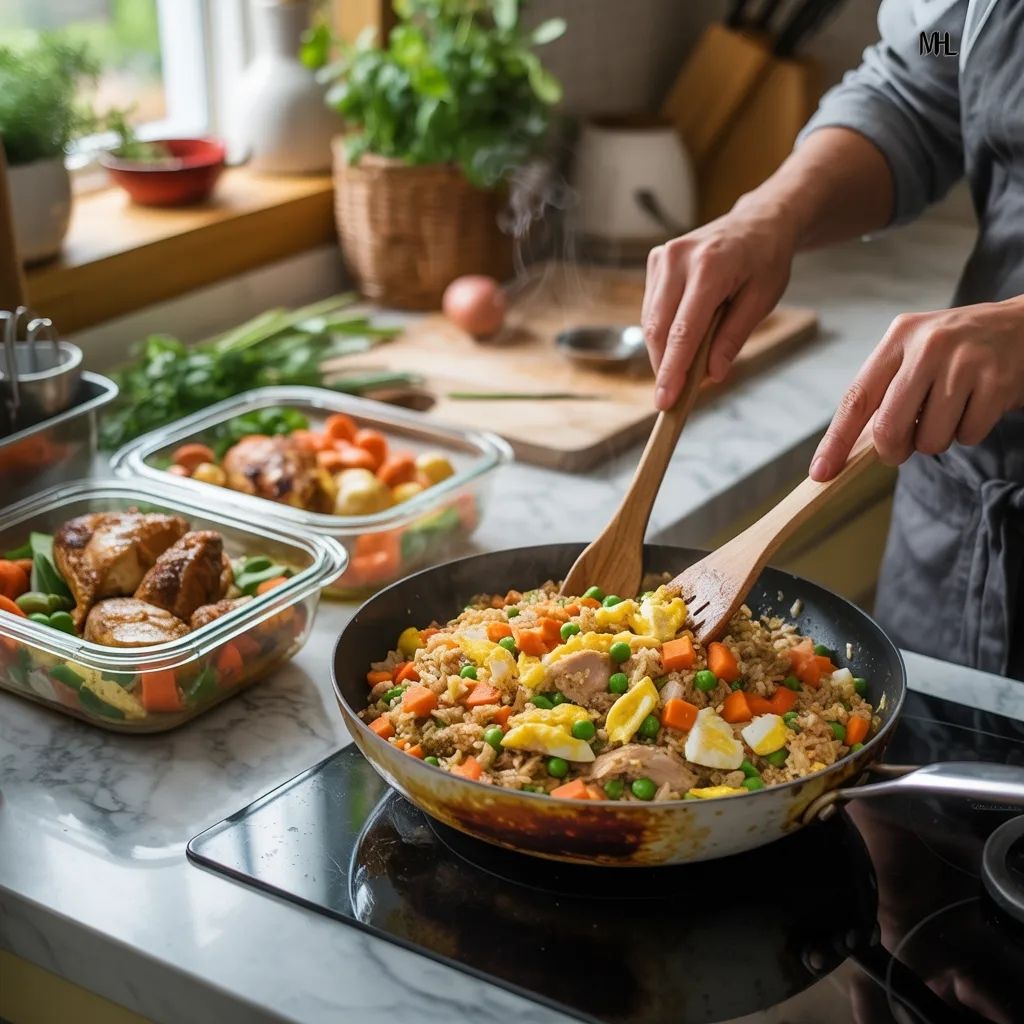
3. Mix It Into Fried Rice or Noodles
Fried rice and noodles are some of the most flexible ways to use leftovers.
Almost any ingredient can be mixed in, from vegetables to meat to eggs. Everything cooks together, which blends flavors and creates a new dish.
This method works because it breaks down the original structure of the meal and rebuilds it into something different. Even small amounts of leftovers can become part of a complete and satisfying meal.
4. Turn It Into Soup or Stir-Fry
Adding liquid or heat can completely change the feel of leftovers. Turning food into a soup softens textures and blends flavors, while stir-frying adds a slightly crisp texture and a different taste.
For example, leftover vegetables can be added to a quick broth to create a simple soup, or stir-fried with sauce for a more flavorful dish.
This method works well when you want something warm and comforting without starting from scratch.
5. Add a New Flavor with Simple Sauces
Sometimes the easiest way to change a meal is to change the flavor.
A simple sauce can make the same ingredients feel completely different. Soy sauce, garlic butter, chili sauce, or even a squeeze of lemon can shift the entire taste.
This works because flavor plays a big role in how a meal is experienced. Even if the ingredients are the same, a new seasoning can make it feel new.
Real Meal Examples From Leftovers To New Meals
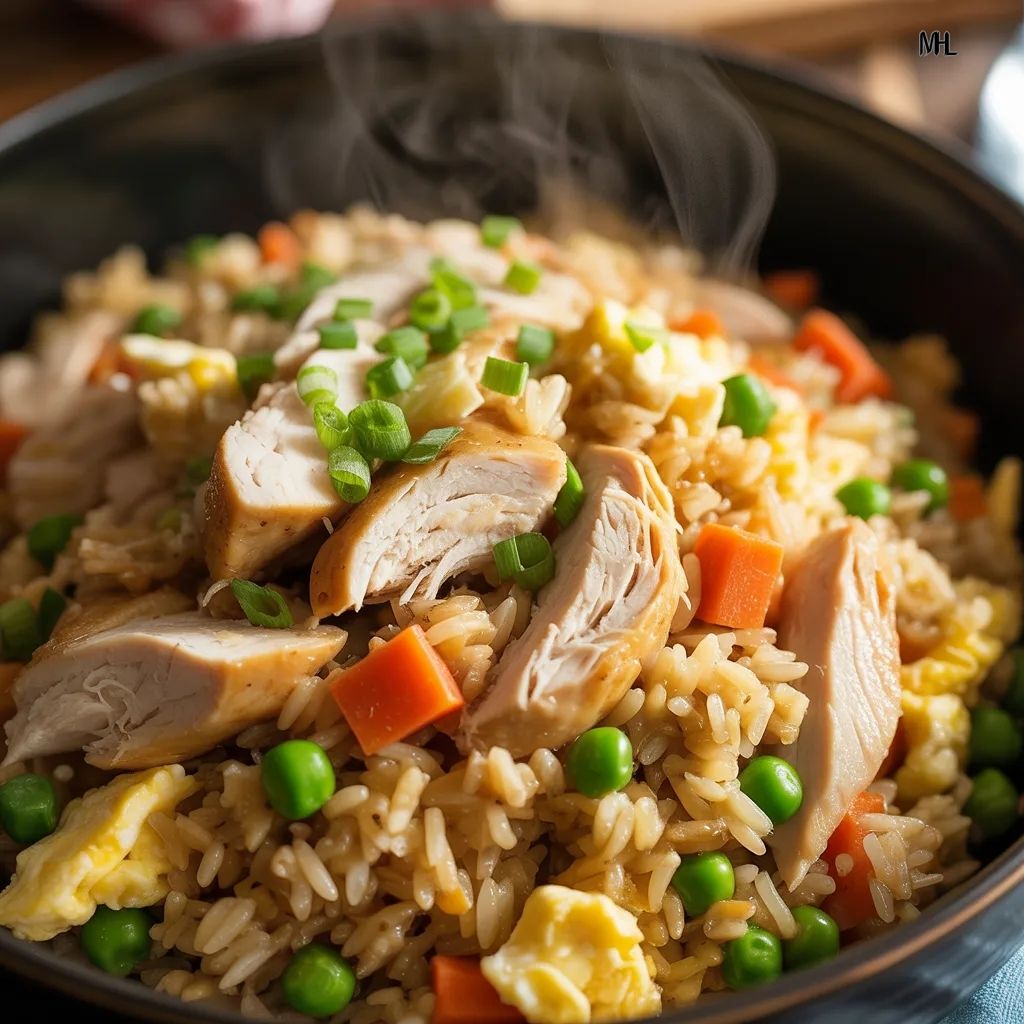
1. Leftover roast chicken → Chicken fried rice
Leftover roast chicken can feel repetitive when reheated on its own, but chopping it into smaller pieces and mixing it into fried rice completely changes the experience. The chicken becomes part of a cohesive dish where flavors blend together instead of standing alone.
To make this quickly, heat a pan with a little oil, cook any vegetables for a few minutes, add cooked rice and break it up, then stir in the chopped chicken. Crack an egg into the pan, mix everything together, and finish with soy sauce for a balanced, flavorful meal.
2. Leftover cooked vegetables → Stir-fried noodles
Cooked vegetables that seem unappealing by themselves can be transformed when tossed into a quick noodle stir-fry. Once combined with noodles and sauce, they take on a new texture and feel like a complete meal rather than leftovers.
To bring this together, cook noodles according to package instructions, then heat a pan with a bit of oil and add the vegetables. Toss in the drained noodles, add soy sauce or a simple seasoning, and stir everything together for a few minutes until heated through.
3. Leftover rice → Rice bowl with fried egg and sauce
Plain leftover rice often feels boring, but turning it into a rice bowl with a fried egg and sauce makes it much more satisfying. The added texture and flavor shift the entire experience, making it feel intentional.
To prepare it, reheat the rice until warm, then fry an egg in a separate pan until the edges are slightly crispy. Place the egg over the rice and drizzle with soy sauce or any preferred seasoning before serving.
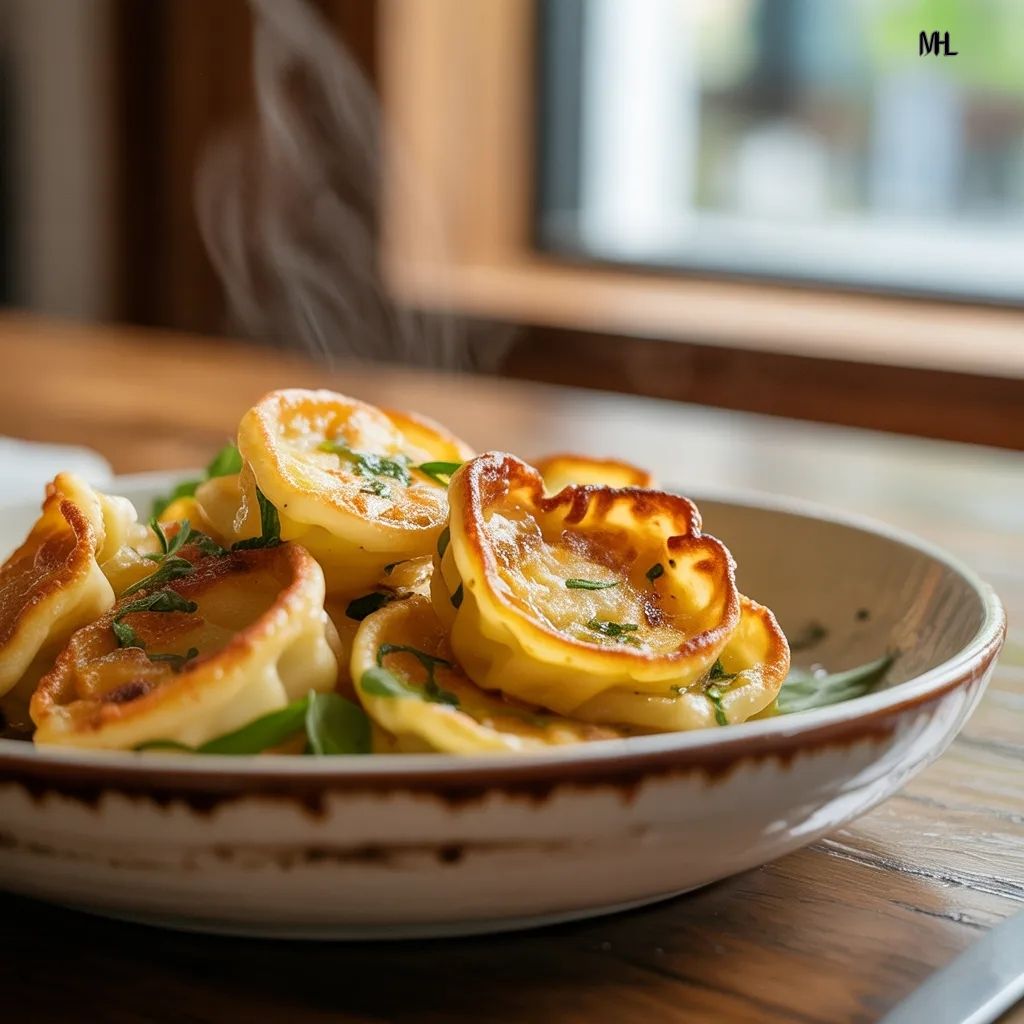
4. Leftover pasta → Pan-fried or baked pasta
Leftover pasta can be made more interesting by changing its texture instead of simply reheating it. Cooking it in a pan allows parts of it to become slightly crispy, which gives the dish a different feel.
To do this, heat a pan with a small amount of oil or butter, add the pasta, and spread it out so it can lightly crisp on the bottom. Stir occasionally until heated through, then serve once the texture changes slightly.
5. Leftover meat or protein → Sandwich or wrap
Leftover meat or protein can feel repetitive on its own, but placing it inside a sandwich or wrap changes how it’s experienced. The combination of bread and fillings makes it feel more structured and convenient.
To assemble this, slice or shred the leftover meat, place it between bread or inside a tortilla, and add a simple spread or fresh ingredient if available. Press lightly and serve immediately for a quick and satisfying meal.
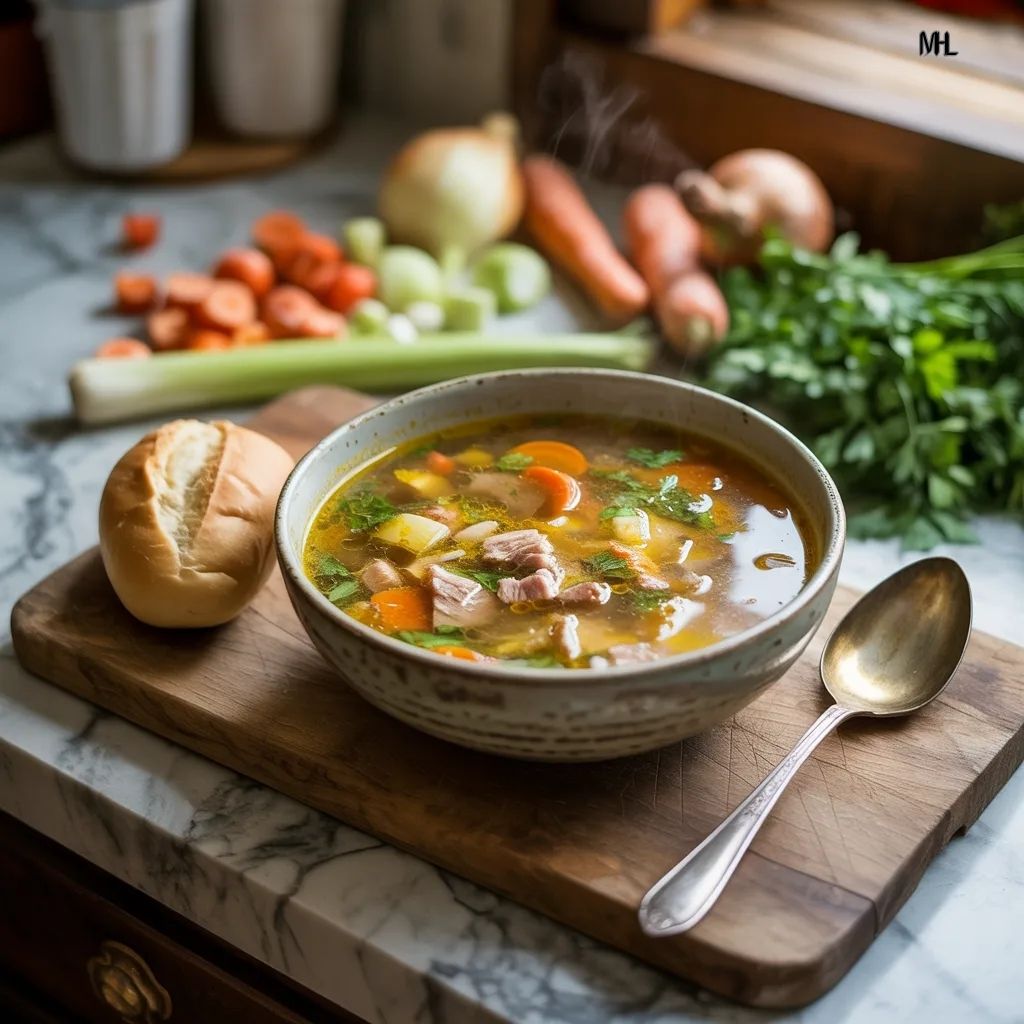
6. Mixed leftovers → Quick soup
When there are small portions of different leftovers that don’t seem to fit together, turning them into a simple soup can bring everything together in a natural way. The broth softens textures and blends flavors into something cohesive.
To make this, add the leftovers into a pot, pour in enough water or broth to cover, and heat gently until everything is warm. Stir occasionally and adjust seasoning if needed before serving.
How to Combine Leftovers Without Overthinking
One of the easiest ways to simplify cooking is to follow a basic structure instead of a recipe.
A simple combination like:
- one base (rice, pasta, bread)
- one protein (chicken, eggs, beans)
- one flavor (sauce or seasoning)
is enough to create a complete meal.
This approach removes the need to think about exact recipes. Instead, it focuses on assembling what you already have.
The process becomes simple: combine, heat, and serve.
Practical Tips to Make Leftovers Work Better
- Store leftovers in a way that keeps them fresh and easy to use
- Reheat gently to avoid drying out food
- Keep simple sauces available to change flavor quickly
- Combine leftovers instead of eating them separately
- Use small portions of leftovers as part of a new dish
- Avoid overcooking food when reheating
These small adjustments make leftovers easier to use and more enjoyable.
Common Mistakes That Make Leftovers Boring
One of the most common mistakes is eating leftovers exactly as they were originally served. This keeps the experience the same and makes it feel repetitive.
Another issue is not adding anything new. Even a small change in flavor or texture can make a big difference.
Letting leftovers sit too long can also affect quality, making them less appealing.
Overthinking meals can make it harder to use leftovers effectively. Simpler combinations usually work better.
When It’s Okay to Repeat Meals
Not every meal needs to feel new. There are times when repeating a meal is the easiest and most practical option. If the food is still enjoyable and convenient, there’s nothing wrong with eating it again.
The goal is not to avoid repetition completely, but to have options when you want something different.
FAQs
How do I make leftovers taste different?
Changing the structure of the meal or adding a new sauce can make leftovers feel like a completely different dish.
What is the best way to reuse food?
Combining leftovers with a base like rice or noodles is one of the easiest and most effective methods.
How long should leftovers last?
Most leftovers can be stored safely for a few days if kept properly in the refrigerator.
Can leftovers still be healthy?
Yes, leftovers can be part of a balanced meal, especially when combined with fresh or simple ingredients.
Related Articles
- What to Cook When You Have Nothing at Home
- 10 Simple Meals You Can Make in 15 Minutes
- Simple Grocery List for Easy Meals All Week
Final Thought
Leftovers don’t have to feel like repeats. With a few simple changes, they can become new meals that are just as satisfying as something freshly cooked.
The key is not to cook more, but to use what you already have in a smarter and more flexible way.