How to Choose the Right Paint Finish for Furniture (Matte vs Satin vs Gloss)
Choosing the right paint color for furniture is usually the easy part. The harder decision often comes after that, when it’s time to choose the finish. Matte, satin, and gloss can look similar on a sample, but they behave very differently once applied to real furniture. The finish affects how the surface reflects light, how…
Choosing the right paint color for furniture is usually the easy part. The harder decision often comes after that, when it’s time to choose the finish. Matte, satin, and gloss can look similar on a sample, but they behave very differently once applied to real furniture.
The finish affects how the surface reflects light, how smooth it looks, and how well it holds up over time. A wrong choice can make a piece look flat, overly shiny, or difficult to maintain.
The goal isn’t to pick the “best” finish. It’s to choose the one that works for how the furniture will actually be used.
The Quick Way to Choose the Right Finish
Paint finishes mainly differ in how much sheen they have and how durable they are.
A simple way to decide is:
- choose matte for a soft, low-reflection look on decorative pieces
- choose satin for a balanced finish that works for most furniture
- choose gloss for high durability and easy cleaning on frequently used surfaces
Each finish has a purpose, and the right choice depends more on function than appearance alone.
What a Paint Finish Actually Does
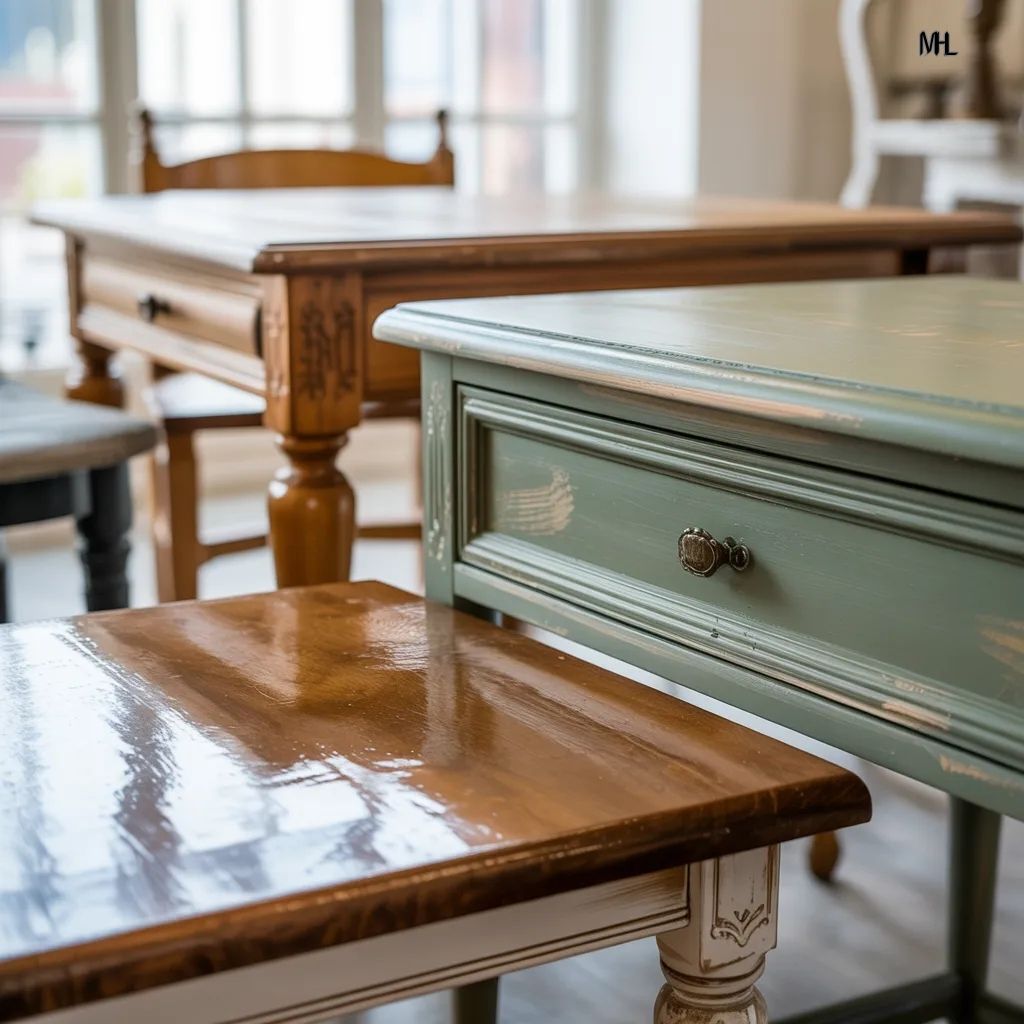
Paint finish is not just about how shiny a surface looks. It affects how light interacts with the paint, how visible imperfections are, and how easy the surface is to clean.
Low-sheen finishes like matte absorb light, which helps hide small flaws but can make the surface harder to clean. Higher-sheen finishes like gloss reflect light, which makes surfaces look smoother but also highlights imperfections.
Durability is another key factor. Finishes with more sheen tend to be more resistant to wear, moisture, and repeated cleaning.
Understanding this balance helps you choose a finish that looks good and performs well over time.
Matte Finish: Soft Look, Lower Durability
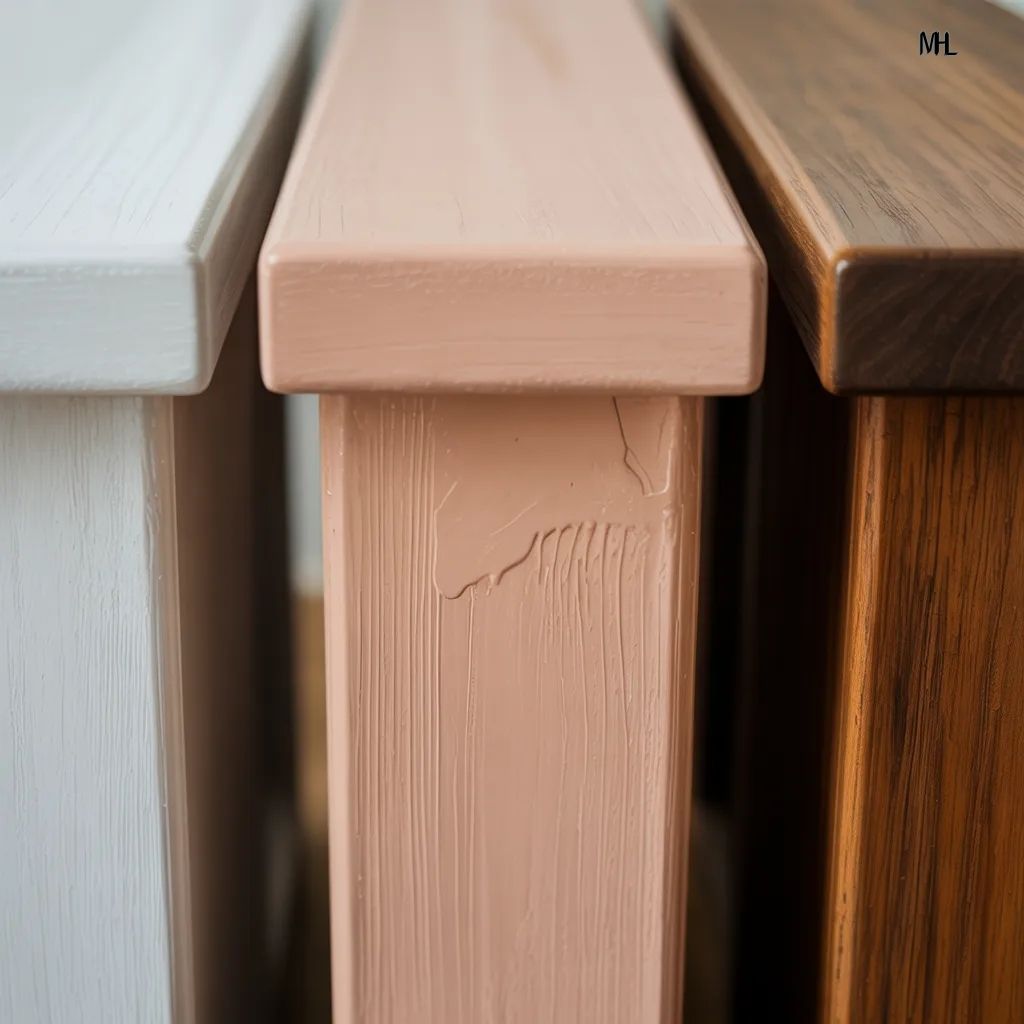
Matte paint has little to no shine, which gives furniture a soft, muted appearance. It works especially well in spaces where a calm, understated look is preferred.
One of the biggest advantages of matte finish is its ability to hide imperfections. Small dents, scratches, or uneven surfaces are less noticeable because the paint does not reflect light.
However, matte paint is more delicate compared to other finishes. It can be harder to clean and may show marks more easily, especially in areas that are touched frequently.
When This Finish Works Best + Practical Tip
This finish works best on decorative pieces such as side tables, shelves, or furniture that doesn’t get used heavily, since it prioritizes appearance over durability. Using a protective topcoat can help improve its resistance without changing the overall look too much.
Satin Finish: Balanced and Versatile
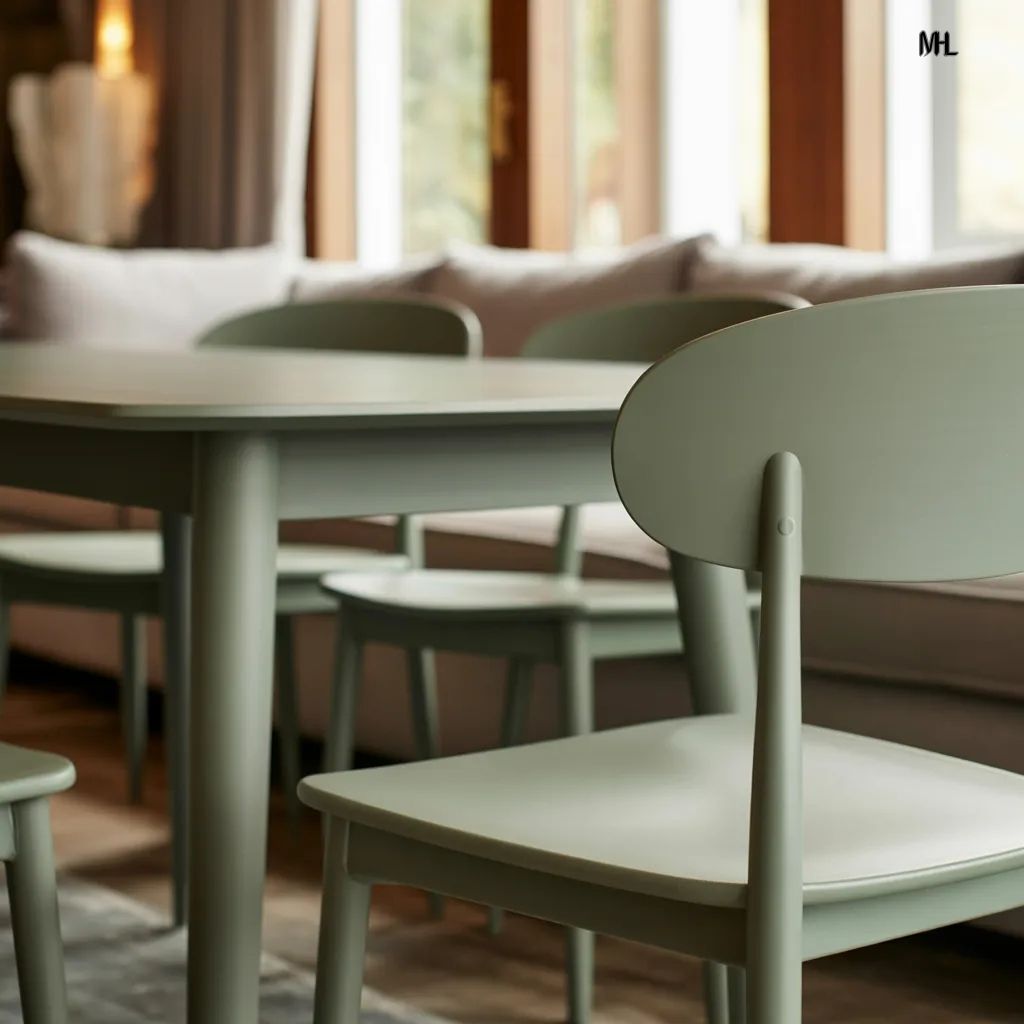
Satin paint sits between matte and gloss, offering a subtle sheen without being too reflective. It’s often considered the most practical option for everyday furniture.
This finish provides a smoother appearance than matte while still hiding minor imperfections better than gloss. It also holds up well to regular use, making it easier to clean and maintain.
Because of this balance, satin is one of the most commonly used finishes for furniture projects.
When This Finish Works Best + Practical Tip
This finish works particularly well for frequently used furniture such as dressers, cabinets, or dining chairs, since it offers both durability and a clean look. Applying thin, even coats helps maintain a consistent sheen and prevents uneven patches from forming.
Gloss Finish: Durable but Reflective
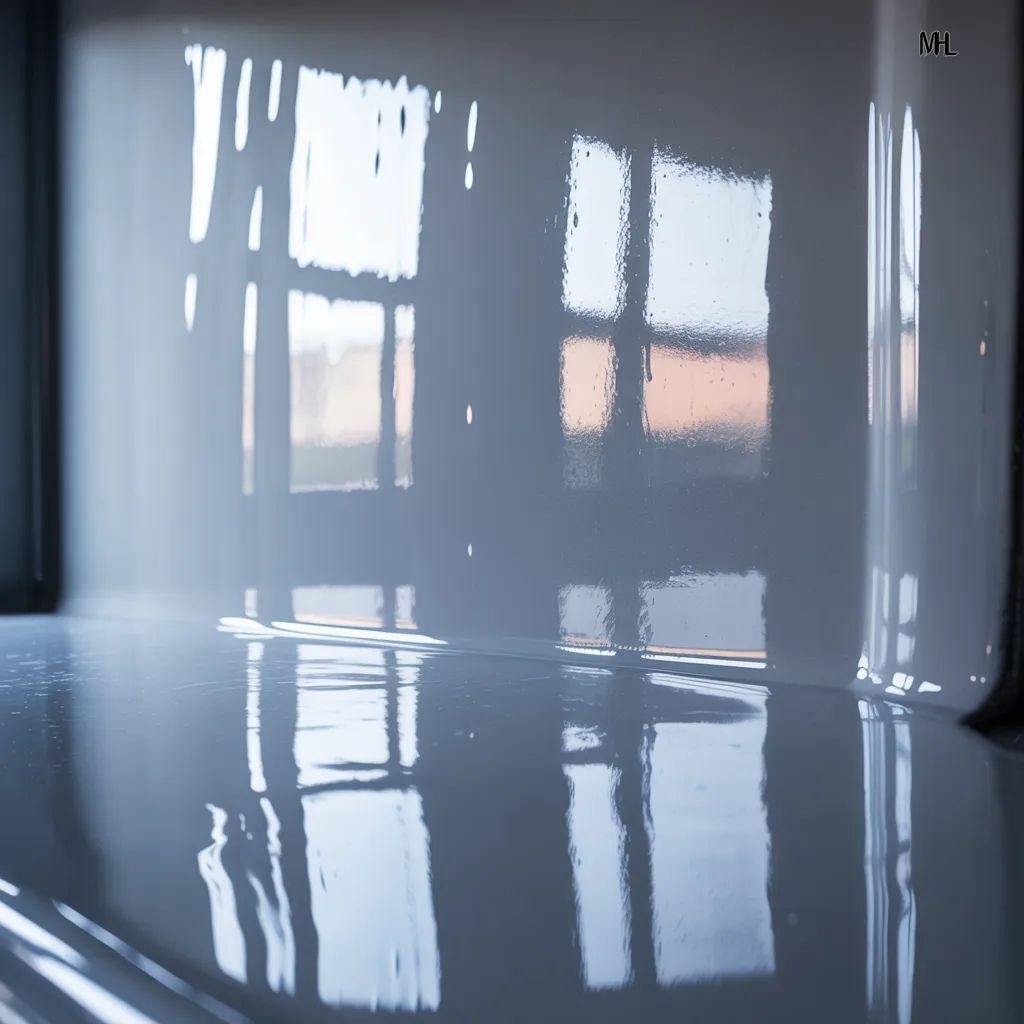
Gloss paint has a high level of shine, which makes it the most durable and easiest to clean among the three options. It creates a smooth, polished surface that reflects light strongly.
This finish is ideal for areas that experience frequent contact, such as tabletops or kitchen furniture. It resists moisture and can be wiped clean more easily than matte or satin finishes.
The trade-off is that gloss highlights every imperfection. Any uneven surface, brush stroke, or flaw becomes more visible once the paint dries.
When This Finish Works Best + Practical Tip
This finish works best on surfaces that need to handle frequent use or cleaning, such as desks or kitchen cabinets, where durability matters more than hiding imperfections. Taking extra time to sand the surface smoothly before painting helps prevent flaws from becoming too noticeable.
A Better Way to Decide Based on Real Use
Instead of choosing a finish based on appearance alone, it helps to think about how the furniture will actually be used.
Furniture that is mostly decorative can benefit from matte finishes, while pieces that are handled daily often perform better with satin or gloss.
It’s also useful to consider how often the surface will need cleaning. Higher-sheen finishes tend to handle wiping and maintenance more easily.
Making the decision based on real usage leads to better long-term results.
Common Mistakes When Choosing a Paint Finish
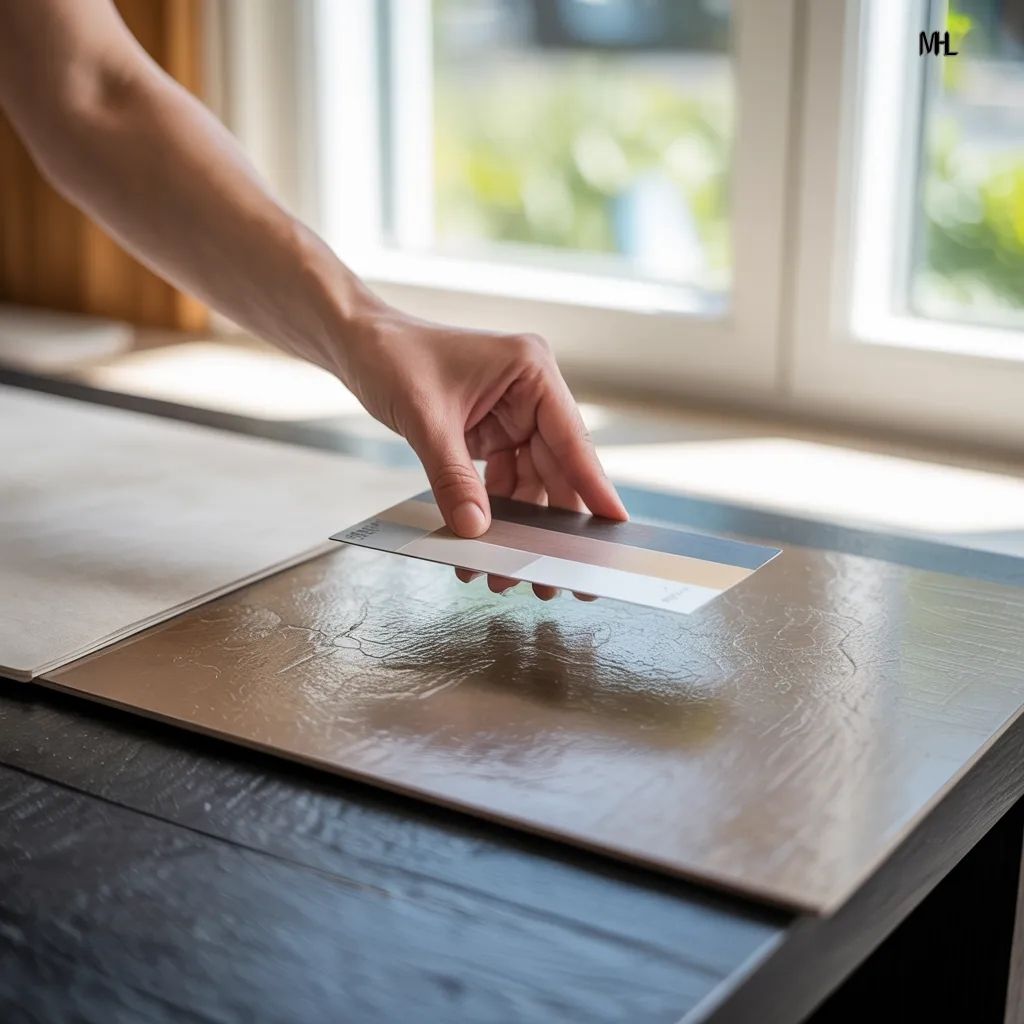
One common mistake is choosing a finish based only on how it looks in a small sample. Lighting and surface size can change how the finish appears once applied to furniture.
Another issue is ignoring durability. A finish that looks good initially may not hold up well if the furniture is used frequently.
Some people also assume that shinier is always better. While gloss is durable, it can make imperfections more visible if the surface isn’t prepared properly. Balancing appearance and function helps avoid these problems.
Can You Change the Finish Later?
In many cases, the finish can be adjusted after painting, but it requires additional work.
Changing from a lower sheen to a higher sheen usually involves sanding and applying a new coat of paint. Moving from gloss to matte may require more preparation to reduce the shine effectively.
Using a topcoat with a different finish can also slightly adjust the final look, but it won’t completely replace the original paint finish. Planning the finish from the beginning saves time and effort.
FAQs
Which paint finish is best for furniture?
Satin is often the most practical choice because it balances appearance and durability.
Is matte paint good for furniture?
Matte works well for decorative pieces but may not hold up as well on frequently used surfaces.
Why does gloss paint show imperfections?
Because it reflects light strongly, which makes surface flaws more visible.
Can I mix finishes on the same piece of furniture?
Yes, combining finishes can create contrast, but it should be done intentionally for a balanced look.
Related Articles
- How to Fix Streaky Paint on Furniture (Step-by-Step Guide)
- Why Paint Peels Off Furniture And How to Prevent It
- How to Make Old Furniture Look New Without Replacing It
Final Thought
Choosing the right paint finish is less about finding the perfect option and more about matching the finish to how the furniture will be used.
A finish that fits the function of the piece will always look better over time than one chosen only for appearance.