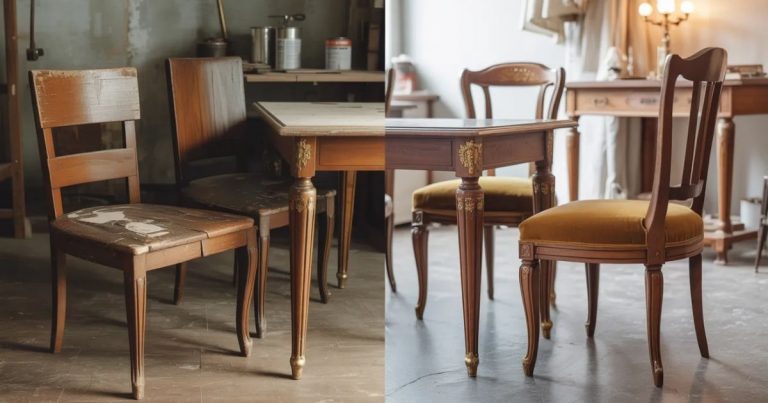
Why One Coat Paint Fails on Furniture And How to Fix It for a Smooth Finish
Did you use to think painting furniture was one of the easiest upgrades? Just open a can, apply one coat, and you’re done. It felt quick and efficient. But the first time I saw the finished piece in natural light, I noticed streaks, uneven color, and a surface that didn’t feel complete. That’s when I…
Did you use to think painting furniture was one of the easiest upgrades? Just open a can, apply one coat, and you’re done. It felt quick and efficient.
But the first time I saw the finished piece in natural light, I noticed streaks, uneven color, and a surface that didn’t feel complete. That’s when I realized the issue wasn’t the paint. It was the process.
If you’ve ever felt disappointed after using just one coat of paint, there’s a clear reason why it happens and an easy way to fix it.
Quick Answer (What You Need to Know Fast)
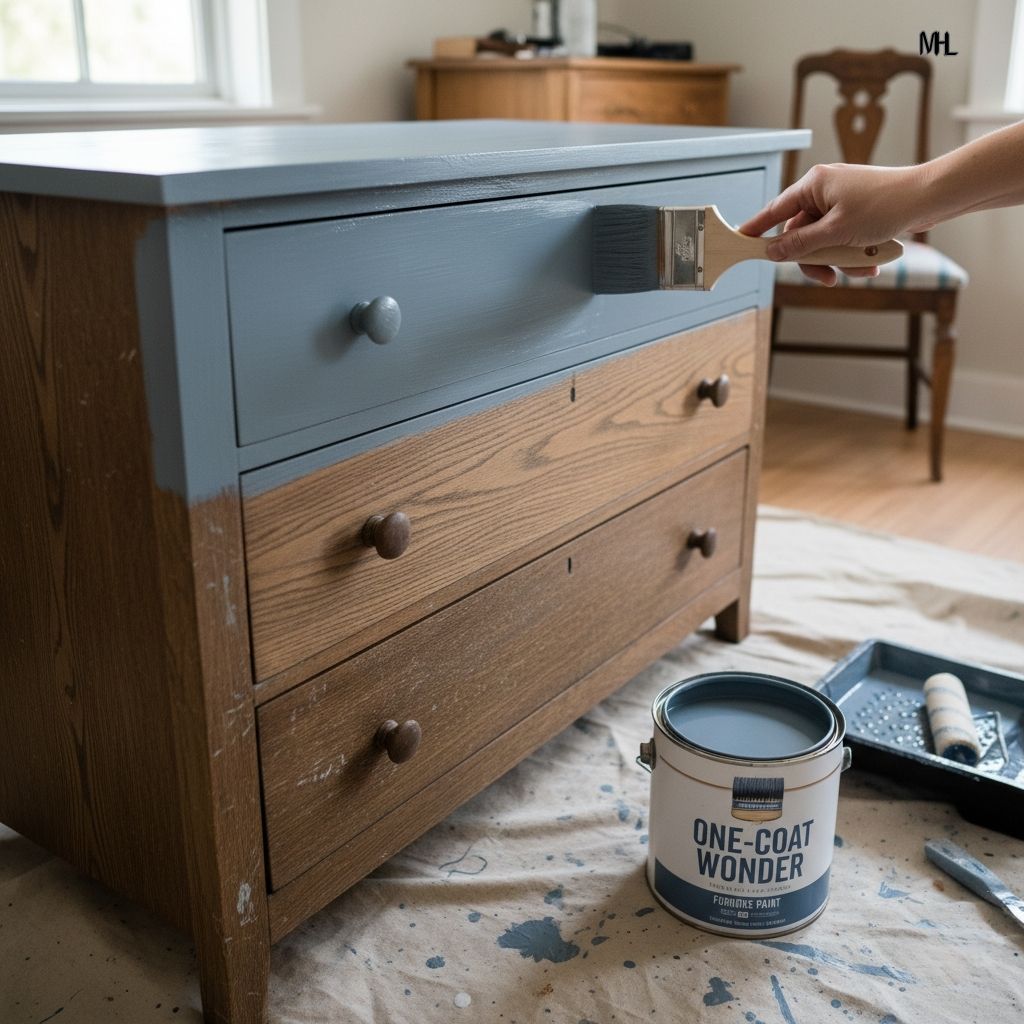
One coat of paint usually fails because furniture surfaces absorb paint unevenly and don’t get enough coverage.
The easiest way to fix it is:
- apply thin, even coats
- allow full drying between layers
- use at least two coats for a smooth, consistent finish
What Happens When You Use Only One Coat of Paint
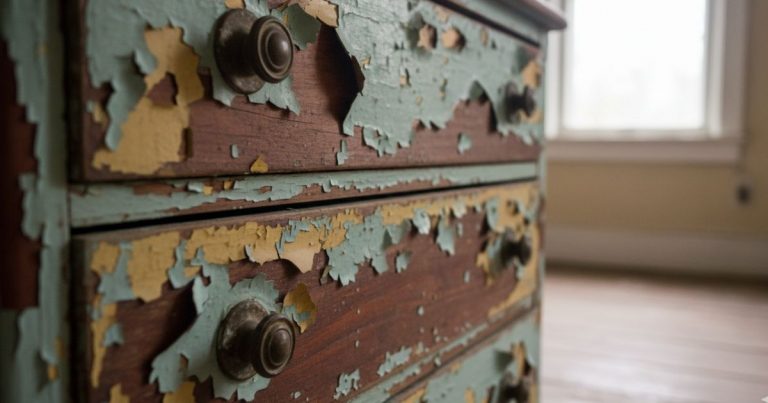
At first, one coat may look fine, especially under soft lighting. But once the paint fully dries or you see it in brighter light, problems become noticeable.
The color often looks uneven. Some areas appear darker while others look faded. This happens because different parts of the surface absorb paint differently.
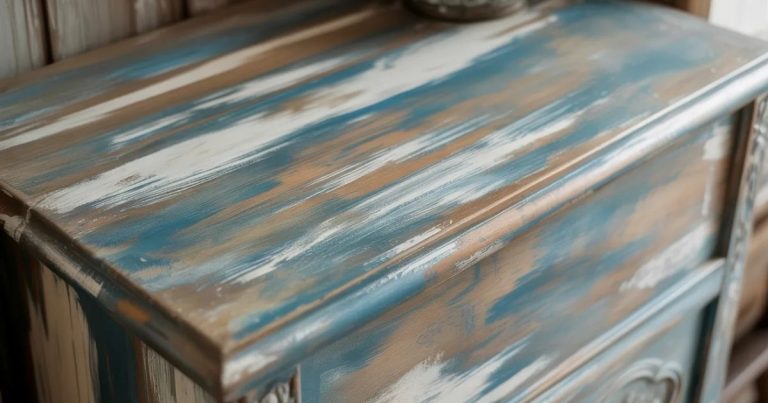
Brush or roller marks also stand out more. Without a second layer to smooth things out, every stroke remains visible.
The finish can also look slightly dull or incomplete. Instead of a solid, even surface, it feels like something is missing. In most cases, that missing step is simply another coat.
Why One Coat Paint Fails on Furniture
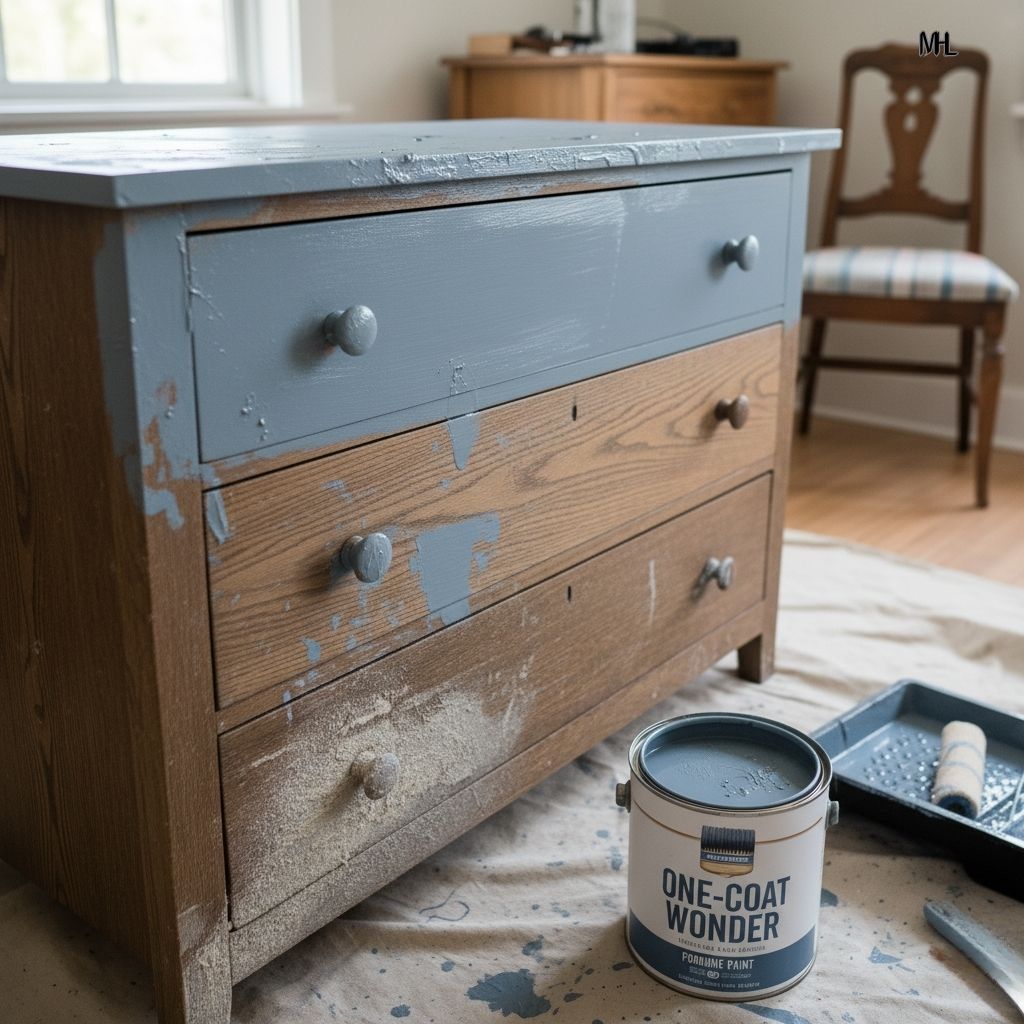
There are a few key reasons this happens, and they all relate to how paint interacts with surfaces.
Furniture materials are not perfectly uniform. Wood, laminate, and previously painted surfaces absorb paint differently. This creates uneven coverage when only one layer is applied.
Skipping primer is another common cause. Primer creates a consistent base, helping paint spread evenly and adhere properly. Without it, the paint struggles to cover the surface.
Paint thickness also plays a role. Applying a thick coat to compensate for using only one layer often leads to streaks and uneven drying. A thin coat, on the other hand, may not provide enough coverage.
Surface preparation is just as important. Dust, grease, or leftover finish can prevent paint from bonding correctly, causing patchy or inconsistent results.
The Most Common Mistakes People Make
These are the mistakes that cause most one-coat failures:
- Skipping sanding before painting
- Not cleaning the surface properly
- Applying paint too thick in one go
- Rushing the drying time between coats
- Using the wrong tools for the surface
- Going back over paint that has already started drying
Fixing just one or two of these can already improve your result significantly.
What to Do Instead (Simple Fix That Works)
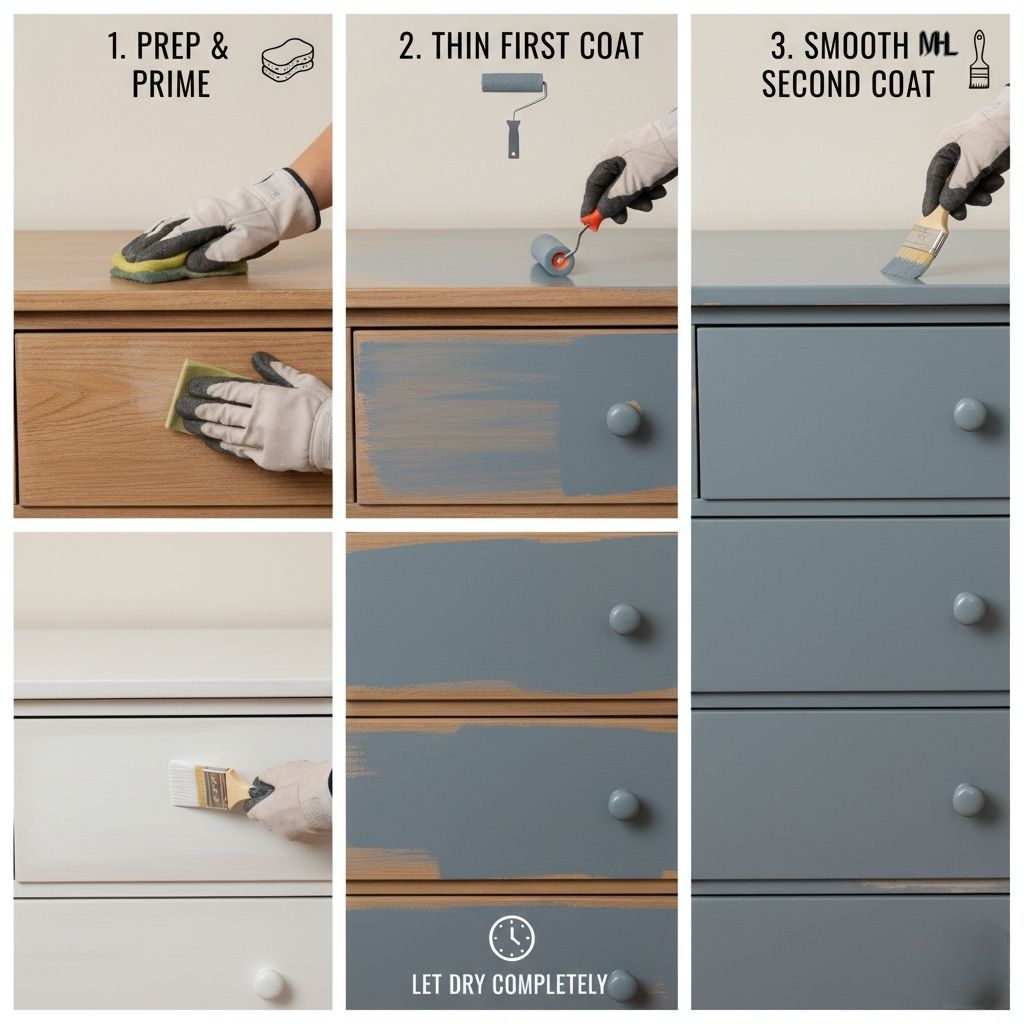
If you want a smooth, even finish, the process doesn’t need to be complicated. It just needs to be consistent.
Follow this simple process:
- Clean the surface thoroughly to remove dust and grease
- Lightly sand to help paint adhere better
- Apply primer if the surface is uneven or previously treated
- Use a thin first coat instead of trying to cover everything
- Let it dry completely before touching it again
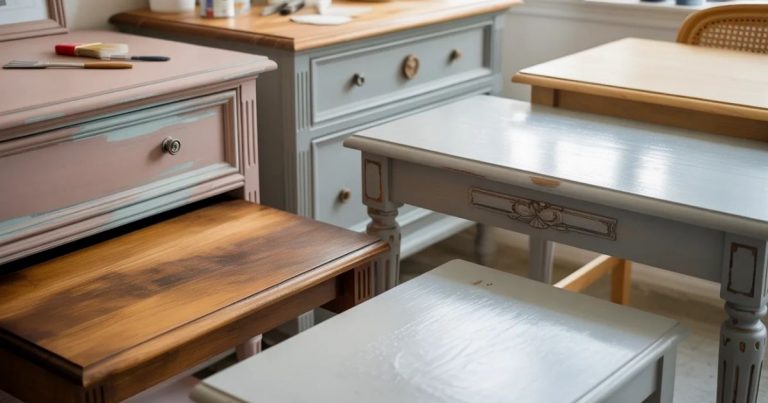
- Apply a second coat evenly to build full coverage
This method may take a bit longer, but it prevents the need to redo everything later.
Tips for a Smooth, Professional Finish
These small details make a big difference in the final look:
- Always use thin layers instead of thick coats
- Paint in the same direction for a consistent finish
- Use natural light to spot uneven areas early
- Avoid touching paint while it is drying
- Choose a foam roller for flat surfaces to reduce texture
- Work slowly instead of trying to finish in one pass
Even simple projects look more professional when these are followed.
When One Coat Might Actually Work
There are a few situations where one coat can be enough, but they are limited.
- Painting over a similar color (light over light)
- Using high-quality paint with strong coverage
- Creating a distressed or intentionally uneven finish
Even in these cases, adding a second coat usually improves the final look.
FAQs
Do I always need two coats of paint for furniture?
Most of the time, yes. Two coats provide better coverage, durability, and a more even finish.
Can I skip sanding before painting furniture?
Skipping sanding often leads to poor adhesion and uneven results. Even light sanding makes a noticeable difference.
What type of paint works best for furniture?
High-quality latex or chalk paint is commonly used because it spreads well and provides smoother coverage.
Why does my paint look uneven after drying?
This usually happens when the surface absorbs paint unevenly or when only one coat is applied.
Related Articles
- How to Fix Streaky Paint on Furniture
- Common DIY Mistakes Beginners Make
- How to Choose the Right Paint for Home Projects
Final Thought
Painting furniture is not about doing more work. It’s about doing the right steps in the right order.
Trying to make one coat work often creates more problems than it solves. Once you start building the finish layer by layer, the result becomes smoother, more even, and much more satisfying.