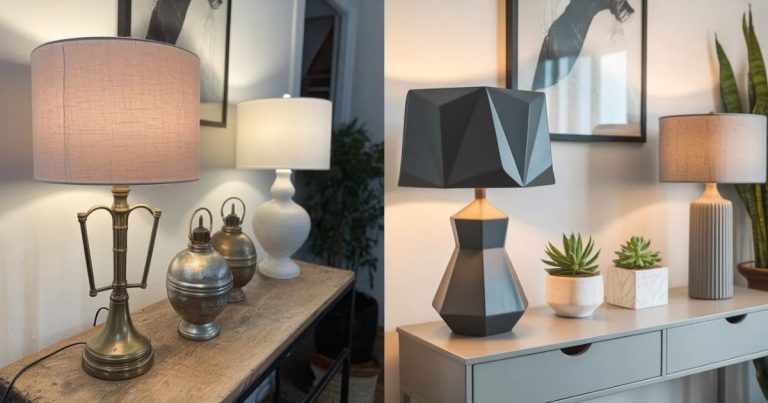
7 Easy Ways to Make Your Home Feel More Put Together Instantly
Most homes don’t feel messy because they are dirty. They feel messy because there is no clear visual order. You can clean for an hour and still feel like something is off. Then on another day, you spend just a few minutes adjusting a few things, and suddenly the entire space feels calmer. That difference…
Most homes don’t feel messy because they are dirty. They feel messy because there is no clear visual order.
You can clean for an hour and still feel like something is off. Then on another day, you spend just a few minutes adjusting a few things, and suddenly the entire space feels calmer.
That difference is not about effort. It’s about knowing what actually changes how a space looks.
A home that feels put together is built on a few high-impact habits and small visual decisions. Once you understand them, you don’t need to clean constantly. You just need to focus on what matters.
The 3 Things That Make Any Space Look Clean Instantly
Before getting into specific actions, it helps to understand what actually creates that “put together” feeling.
Almost every clean-looking space has three things:
- clear surfaces (not empty, but controlled)
- visual alignment (things look placed, not dropped)
- low visual noise (not too many competing items)
When these three are present, a room feels clean even if it’s not perfect. When they are missing, even a clean room can feel messy.
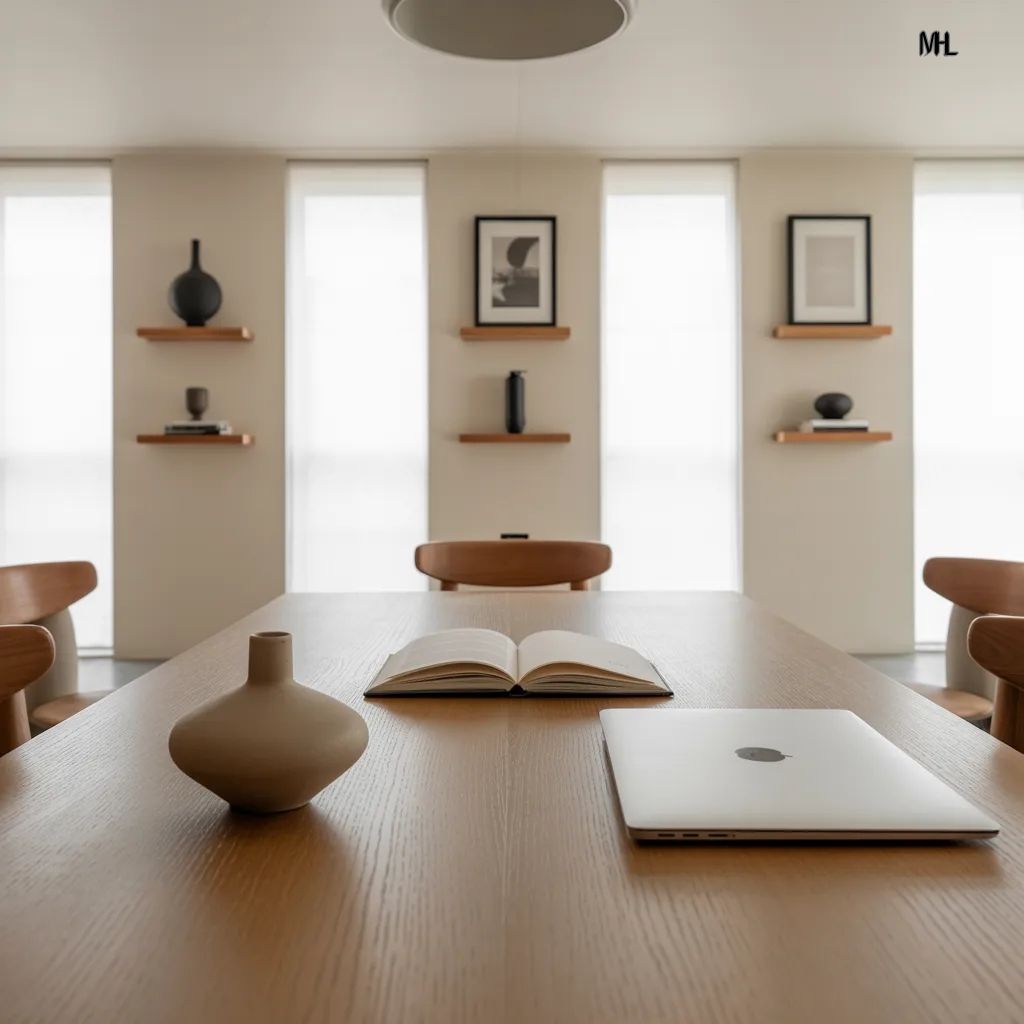
7 Easy Ways to Make Your Home Feel More Put Together Instantly
1. Reset the Largest Visual Area First
Every room has one dominant element. In a bedroom, it’s the bed. In a living room, it’s usually the sofa or main seating area.
If that one area looks messy, the entire room feels messy.
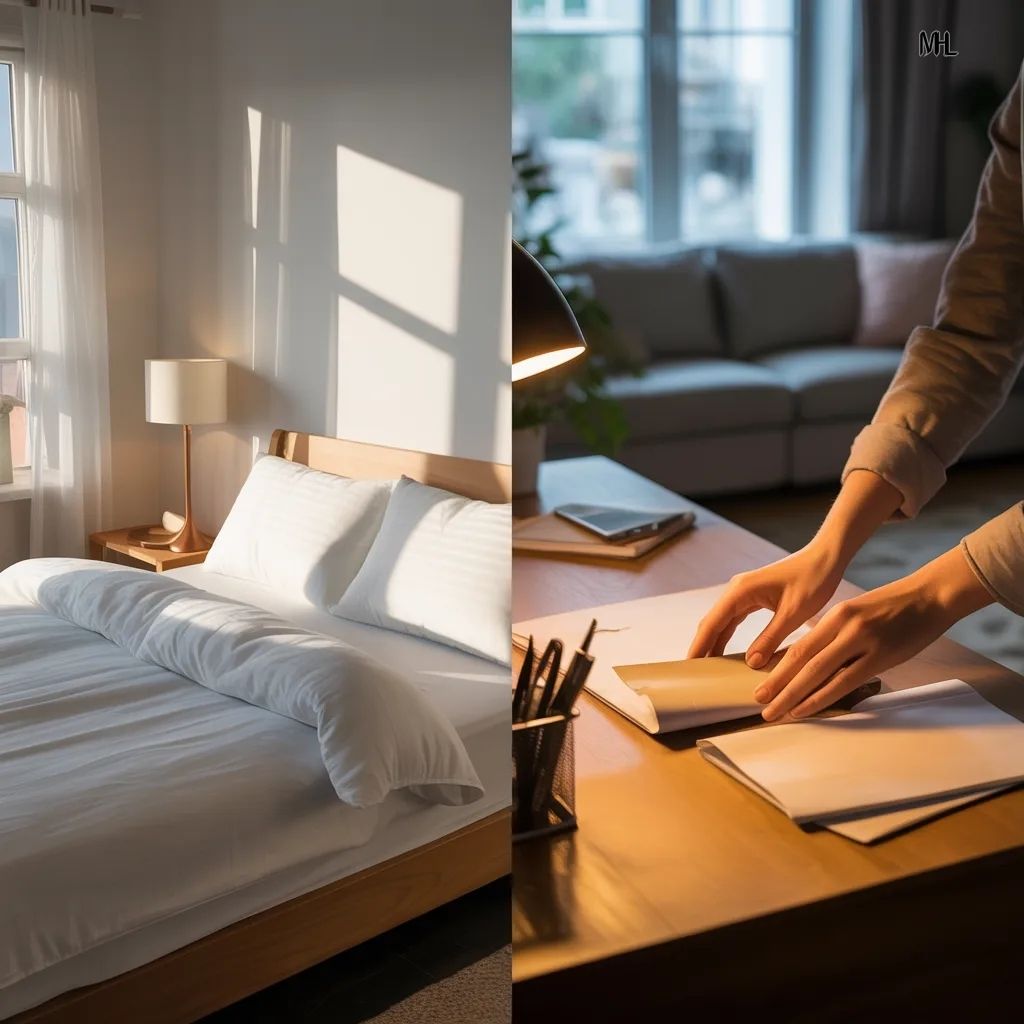
Smoothing bedding, adjusting cushions, or straightening the main focal point immediately changes how the space is perceived. It creates structure, even if nothing else is cleaned.
This works best when you want the biggest impact in the shortest time, especially in bedrooms or small apartments. Keeping that main area simple and easy to reset makes it much easier to maintain daily.

2. Clear One Surface Completely (Not All of Them)
Trying to clean every surface is overwhelming and unnecessary.
Instead, choose one surface that draws attention, like a table, desk, or countertop, and clear it fully or almost fully. That single clean surface creates a strong visual anchor for the room.
Even if other areas are not perfect, the space will still feel more organized.
This works best when a room feels chaotic but you don’t have time to clean everything. Choosing the most visible surface gives you the highest return for the least effort.
3. Fix Alignment Instead of Cleaning More
Many spaces feel messy not because they are dirty, but because things are slightly off.
Chairs are not aligned, pillows are uneven, rugs are shifted, or objects are placed without intention. These small misalignments create visual noise. Straightening what’s already there often does more than cleaning.
This works best when everything is technically “clean” but still feels wrong. Taking a minute to align visible items creates immediate structure without adding work.
4. Reduce Visual Clutter (Not Physical Clutter)
You don’t need to remove everything. You just need to reduce what is visible.
Too many items on a surface make the space feel busy, even if everything is organized. Removing just a few items or grouping them more intentionally can calm the entire room.
The goal is not minimalism. It’s visual clarity.
This works best when your space feels overwhelming. Instead of organizing everything, simply remove 20–30% of visible items. The effect is immediate and requires no deep cleaning.
5. Adjust Light Before You Do Anything Else
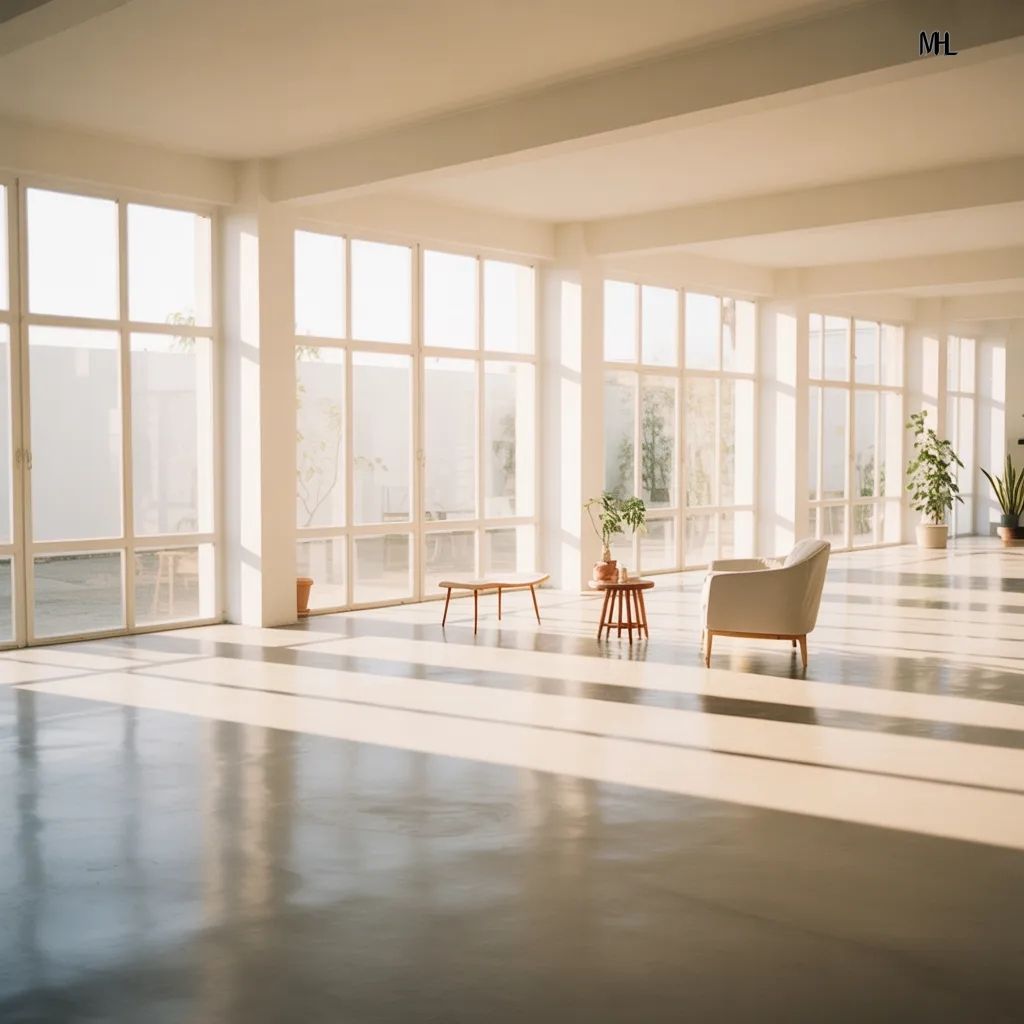
Lighting changes how clean a space feels more than most people expect.
A dim room can feel heavy and cluttered, while a well-lit space feels open and calm. Natural light is the easiest solution, but even turning on the right lights can improve the atmosphere.
Light reduces visual weight. This works especially well in the morning or late afternoon. Opening curtains or using warm lighting makes the space feel cleaner without changing anything else.
6. Reset “Mess Hotspots” Instead of Cleaning Everything
Every home has areas where clutter naturally builds up. Entry tables, kitchen counters, nightstands, and corners often collect small items throughout the day.
These areas have a bigger impact than you think. Resetting just one or two of these zones can make the entire home feel more organized.
This works best when clutter keeps coming back. Instead of fighting the habit, contain it by using trays or small containers so the mess stays controlled.
7. Do a 3-Minute Walk-Through Reset
Instead of cleaning room by room, walk through your home and fix only what stands out immediately.
Pick up a few items, adjust a few details, clear one surface, and move on. This creates a chain reaction of small improvements that add up quickly.
The key is to stop before it becomes a full cleaning session. This works best at the end of the day or before leaving the house. Limiting yourself to a few minutes keeps it sustainable and prevents burnout.
Why These Methods Work (And Why Cleaning More Doesn’t)
Cleaning focuses on removing dirt. These methods focus on improving perception.
Most of what makes a home feel clean is visual structure, not actual cleanliness. When surfaces are clear, objects are aligned, and clutter is controlled, the space feels organized even without deep cleaning.
That’s why small adjustments often outperform large cleaning efforts.
A Simple Daily System That Keeps Your Home Looking Put Together
Instead of relying on motivation, a small system makes everything easier.
In the morning, resetting one key area like the bed creates structure for the day. In the evening, clearing one surface and doing a short walk-through helps the space reset again.
This is enough. You don’t need a full routine. You just need consistency with a few high-impact actions.

What Most People Get Wrong
Many people focus on cleaning more instead of changing how their space works. Buying storage without reducing clutter often makes things worse.
Trying to fix everything at once leads to burnout. Expecting perfection makes simple habits feel unnecessary. The problem is not effort. It’s direction.
Why Less Always Feels More Put Together
A space with fewer visible items is easier to manage and naturally feels calmer.
More items create more decisions, more movement, and more visual noise. Fewer items create clarity and reduce effort.
You don’t need to remove everything. You just need to be more intentional about what stays visible.
FAQs
What is the fastest way to make a home look clean?
Clearing one main surface and resetting the most visible area creates the biggest impact in the shortest time.
How do I keep my home looking put together every day?
Using small daily resets and focusing on visual structure helps maintain the space without constant cleaning.
Why does my home still feel messy after cleaning?
Because visual clutter and lack of alignment often matter more than actual cleanliness.
How long should daily resets take?
A few minutes is enough if you focus on the right areas.
Final Thought
A home that feels put together is not built through constant effort. It’s built through small decisions that reduce how quickly mess appears and how visible it becomes.
Once you focus on what actually changes how a space looks, keeping your home in order becomes much easier and much more sustainable.